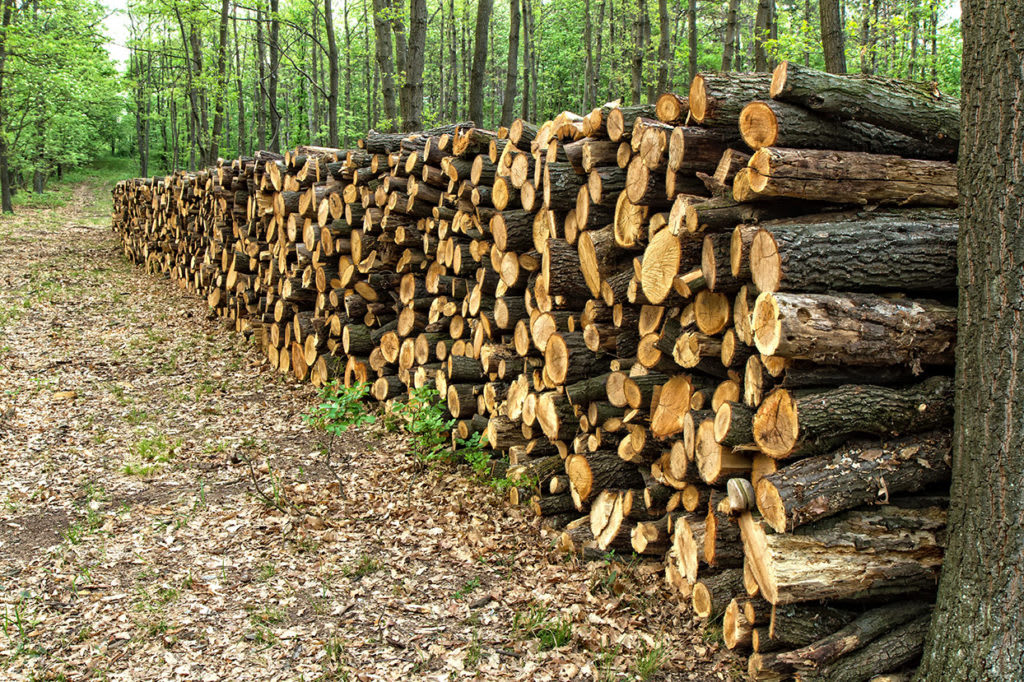
Introduction: The Best Investment on Your Farm Might Be Standing in the Corner
Walk through almost any farm in Nyeri, Kirinyaga, Murang'a, or the wider Central Highlands, and you'll likely find at least a few mature Grevillea or Eucalyptus trees — often along a boundary, a steep slope unsuitable for crops, or near a homestead. For generations, these trees have quietly served as a kind of informal savings account: a source of poles, timber, and firewood that matures slowly in the background while the main farm activity — tea, coffee, dairy, or food crops — takes center stage.
What's changing now is the intentionality. Forward-thinking farmers across the highlands are no longer treating timber trees as an afterthought planted along a fence line. They're treating commercial forestry as a deliberate part of their land-use strategy — and the numbers are making a compelling case.
This guide is part of GreenAngels' reforestation Kenya series. For context on how highland timber forestry fits into Kenya's national 30% forest cover target, see our master report.
→ See: The Pillars of Kenya's Reforestation
Why the Highlands Are Different: Soil, Altitude, and Rainfall
The Central Highlands — covering Nyeri, Kiambu, Murang'a, Kirinyaga, Embu, Meru, and parts of the broader Mount Kenya and Aberdare regions — benefit from a combination of factors that make them ideal for commercial timber:
- Red volcanic soil, rich in nutrients and generally well-draining, supports vigorous tree growth
- Reliable, higher rainfall compared to lowland and ASAL areas, reducing the establishment risk that dryland planters face
- Cooler temperatures at altitude, which favor species like Cypress and Pine that would struggle in hotter lowland conditions
- High land values, which make the opportunity cost of "wasted" or underutilized land — steep slopes, riparian buffers, field boundaries — a real economic consideration
In short: the highlands offer the growing conditions where timber species don't just survive, they thrive — turning a multi-year wait into a genuinely attractive long-term return.
The Core Timber Species for Highland Agroforestry
Grevillea robusta (Silky Oak)
Grevillea is the classic agroforestry tree of the Kenyan highlands, and for good reason. Its root system grows relatively deep and doesn't compete aggressively with adjacent crops for surface nutrients, making it one of the most farm-friendly timber species available. Grevillea provides excellent timber for furniture and construction, along with firewood and fodder from its leaves — and it integrates naturally along field boundaries, terraces, and contour lines, doing double duty as both an erosion control measure and a future income source.
Eucalyptus
Few trees generate more debate among Kenyan farmers than Eucalyptus — and for good reason. It's exceptionally fast-growing, produces high-demand timber and poles (especially for construction and power line poles), and can generate meaningful income within a relatively short rotation compared to many other timber species. However, Eucalyptus is also water-intensive, which is why responsible planting matters: it performs best in areas with reliable rainfall (which the highlands generally provide) and should be planted with consideration for proximity to water sources, riparian zones, and neighboring crops. When planted thoughtfully — on appropriate sites, with adequate spacing — Eucalyptus remains one of the highest-value timber options for highland farmers.
Cypress (Cupressus species)
A staple of highland forestry for generations, Cypress produces durable, versatile timber widely used in construction, fencing posts, and furniture. It tolerates the cooler temperatures of higher elevations well and is commonly seen in both commercial plantations and farm woodlots across Nyeri and the broader Mount Kenya region.
Pine (Pinus species)
Pine species are well-suited to the higher-altitude zones of the Central Highlands, offering solid timber value for construction and a longer-rotation option for farmers thinking in multi-decade terms — often planted alongside other species for diversified woodlots.
Quick Reference: Highland Timber Species at a Glance
| Species | Best Suited For | Key Benefit |
|---|---|---|
| Grevillea robusta | Field boundaries, terraces, mixed farms | Low crop competition, multipurpose |
| Eucalyptus | Sites with reliable water, away from riparian zones | Fast growth, high pole/timber demand |
| Cypress | Cooler, higher-altitude zones | Durable construction timber |
| Pine | Higher altitude, long-rotation woodlots | Long-term timber value |
The Agroforestry Advantage: Trees and Crops, Not Trees or Crops
The biggest misconception about commercial timber on a working farm is that it requires sacrificing productive land. In practice, the most successful highland farmers integrate timber species into spaces that are already underutilized:
- Field and farm boundaries, where Grevillea or Cypress double as a living fence and windbreak
- Steep slopes and terraced edges, where tree roots stabilize soil that would otherwise be prone to erosion — particularly important given the unpredictable rainfall patterns that have made highland erosion control increasingly urgent
- Riparian buffer zones, where appropriate species protect water sources while contributing to woodlot value
- Dedicated woodlot sections, for farmers with enough land to set aside a portion specifically for commercial forestry as a long-term asset
The result is a farm that produces food, cash crops, and a maturing timber asset — without those uses competing directly for the same land.
The Long Game: What a Timber Investment Actually Looks Like
Commercial forestry isn't a get-rich-quick proposition — and farmers considering it should go in with realistic expectations about timelines. Depending on species, a timber woodlot represents a 7 to 15+ year investment horizon, with faster-growing species like Eucalyptus and Grevillea on the shorter end and Pine and Cypress often representing longer-term plays.
What makes this timeline manageable — even attractive — is that it doesn't require active annual investment the way a seasonal crop does. Once established, a timber woodlot largely takes care of itself, appreciating in value as the trees grow, with periodic thinning sometimes providing interim income (poles, firewood) well before final harvest.
The critical variable that determines whether this long timeline pays off as expected is what happens in the first few months after planting. A seedling that establishes poorly — weak root development, transplant shock, disease — doesn't just delay the timeline; it can mean starting over years later than planned. This is why GreenAngels backs every Grevillea, Eucalyptus, Cypress, and Pine seedling with our 4-month Growth Guarantee — if a seedling doesn't establish successfully, we replace it, protecting the front end of what is fundamentally a long-term investment. Combined with our 85%+ survival rate, KEFRI-certified stock gives highland farmers a stronger starting point for an investment that will take a decade or more to mature.
Beyond Pure Timber: Diversifying With Fruit and Spice Trees
Many highland farmers don't stop at timber. The same favorable soil and rainfall conditions that support Grevillea and Cypress also support premium grafted fruit trees — and an increasing number of Central Kenya farmers are integrating Hass avocado, macadamia, and other high-value fruit species into their land-use mix, adding a shorter-term income stream alongside the long-term timber play.
→ See: The Fruit Revolution: Economic Empowerment Across Counties
Not Every Region Has This Luxury
It's worth appreciating just how favorable highland conditions are by comparison. In the ASAL counties of Eastern Kenya — Machakos, Kitui, Makueni — farmers face an entirely different reality, where water scarcity rules out species like Eucalyptus and Pine almost entirely, and indigenous, drought-hardy species become the only viable option.
→ See: Machakos & Eastern Region: Battling Desertification in ASALs
Start Building Your Timber Asset Today
Whether you're a smallholder farmer in Nyeri with a steep slope that's never been productive, or a commercial operation in the Central Highlands looking to formalize a woodlot strategy across multiple acres, GreenAngels Tree Nursery supplies KEFRI-certified Grevillea, Eucalyptus, Cypress, and Pine seedlings — grown to perform in highland conditions.
With our 85%+ survival rate and 4-month Growth Guarantee, your timber investment starts on solid ground — literally.
[Contact GreenAngels Tree Nursery for wholesale timber seedling supply and agroforestry planning support.]
Related Topics
Related Articles

The Pillars of Kenya's Reforestation: How Highlands, ASALs, and Cities Are Rebuilding Our 30% Forest Cover Target
Kenya is racing toward a 30% forest cover target by 2032. Discover how the Highlands, Arid and Semi-Arid Lands, and urban centers each play a unique role in reforestation Kenya efforts — and how wholesale tree nursery Kenya suppliers like GreenAngels make it possible.
Read More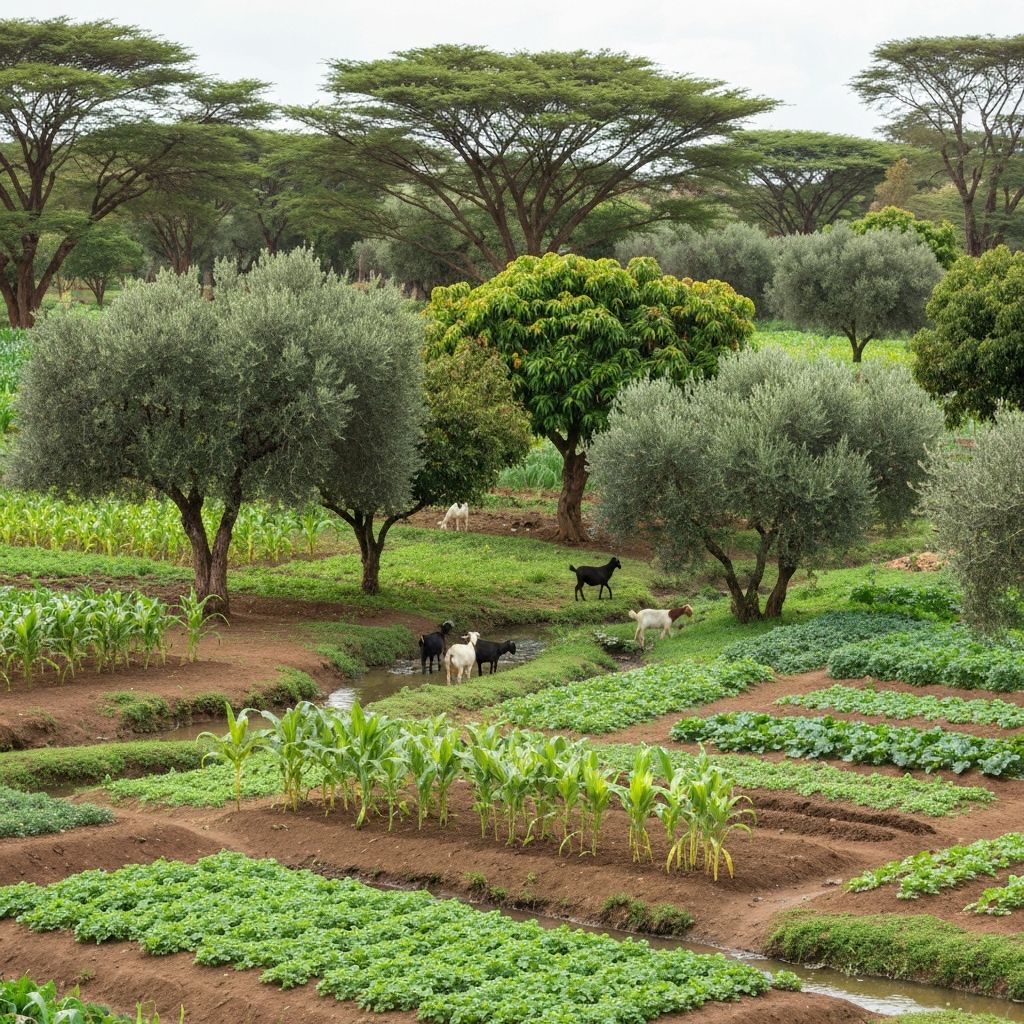
Urban Greening Nairobi: How Trees Are Cooling the City and Cleaning Its Air
Discover how ornamental and flowering trees like Jacaranda, Markhamia Lutea, and Bottle Brush are transforming Nairobi's heat islands into livable green spaces — and how your business or institution can be part of it.
Read More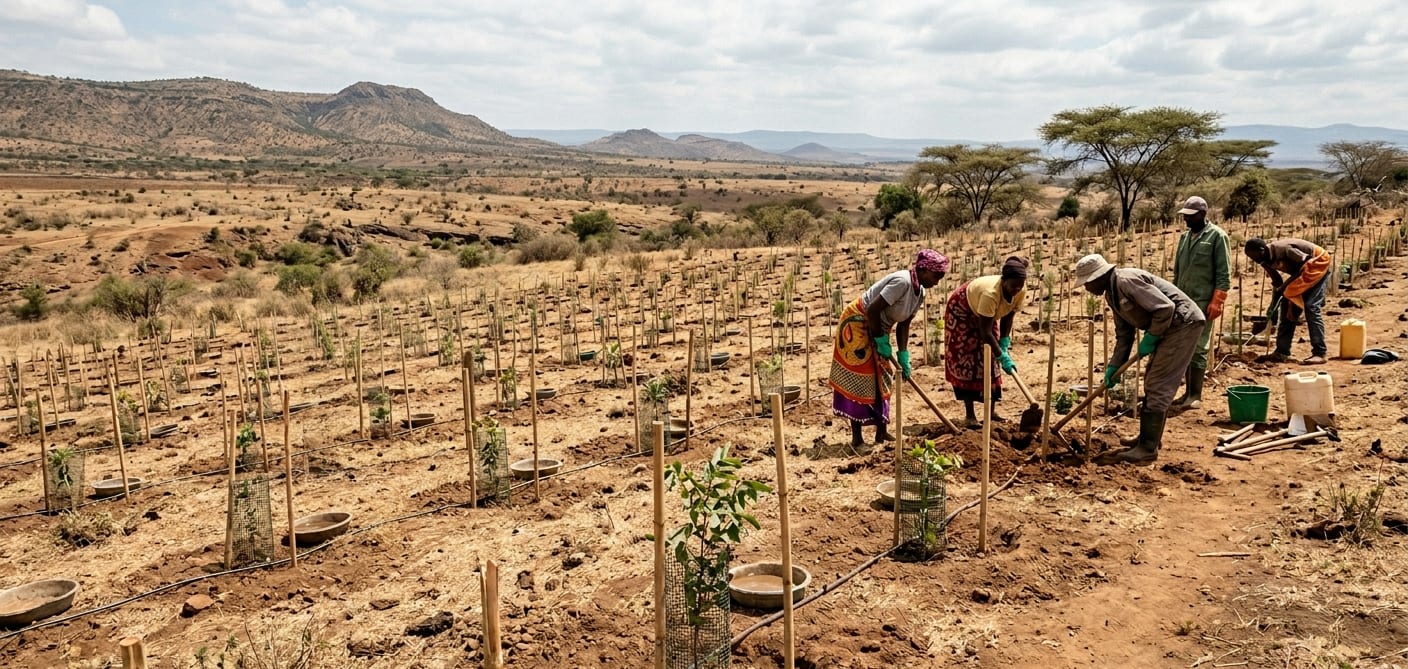
Battling Desertification in Machakos and Eastern Kenya: The Trees That Are Turning Drylands Green Again
From cracked black cotton soil to thriving Mukau woodlots — discover how Acacia, Moringa, Neem, and other hardy indigenous trees are reversing desertification across Machakos and Eastern Kenya's ASALs.
Read More