Introduction: When the Rains Fail Twice in a Row
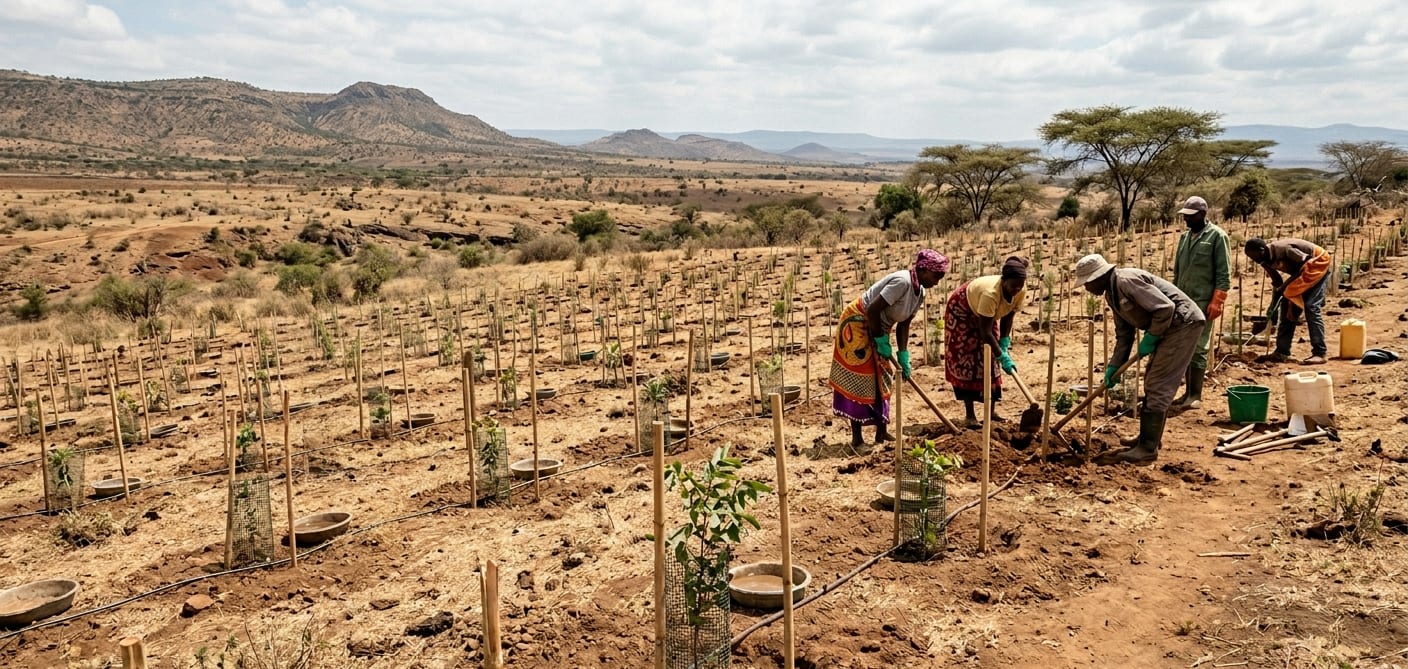
If you've farmed in Machakos, Kitui, or Makueni for any length of time, you know the feeling: the short rains fail, the long rains arrive late and thin, and the black cotton soil that should be soft and workable is instead cracked into hard plates that swallow seeds whole. This is the daily reality across much of Kenya's Arid and Semi-Arid Lands (ASALs) — a zone that covers roughly 80% of the country's total landmass.
For decades, the response to this reality was often resignation — the assumption that "nothing grows here anyway." But across Eastern Kenya, a quiet shift is underway. Indigenous and hardy tree species, carefully matched to dryland conditions, are not just surviving — they're actively rehabilitating degraded land, restoring soil structure, and giving communities a tangible economic stake in keeping trees alive.
This guide is part of GreenAngels' reforestation Kenya series. For the bigger picture on how ASAL restoration fits into Kenya's national 30% forest cover target alongside highland and urban efforts, start with our master report.
→ See: The Pillars of Kenya's Reforestation
Understanding the Challenge: Black Cotton Soil and Unpredictable Rainfall
Two factors define tree planting in Machakos and the wider Eastern region:
Black cotton soil is notoriously difficult — it swells and becomes sticky when wet, then shrinks and cracks dramatically when dry, often tearing apart shallow root systems in the process. Trees planted here need either deep, anchoring root structures or a tolerance for the soil's extreme moisture swings.
Rainfall unpredictability means that a seedling planted at the start of what looks like a promising rainy season can face three weeks of drought before its roots are established enough to survive. In ASAL zones, this isn't a once-in-a-decade risk — it's a near-annual gamble.
The trees that succeed here share common traits: deep taproots, drought dormancy mechanisms, and often, multipurpose value that makes communities motivated to protect and water them even when resources are tight.
The Hardy Species Leading the Charge
Acacia Varieties (Acacia tortilis, Acacia senegal, and others)
Acacias are the iconic trees of the East African dryland landscape — and for good reason. Species like Acacia tortilis (umbrella thorn) develop extremely deep root systems that access groundwater far below the surface, allowing them to survive dry spells that would kill most other species. Beyond survival, Acacias play a critical ecological role: many species fix nitrogen in the soil, gradually improving fertility for whatever grows beneath their canopy — including grass for livestock.
Acacia senegal additionally produces gum arabic, a commercially valuable product, adding an income dimension to what is fundamentally a restoration planting.
Melia Volkensii (Mukau)
If there's a "star species" for commercial dryland forestry in Kenya, it's Mukau. Indigenous to Eastern Kenya's drylands, Mukau is a fast-growing timber tree (by dryland standards) that produces high-value, termite-resistant timber comparable in quality to mahogany. For farmers in Kitui, Mwingi, and Machakos, a Mukau woodlot represents one of the few commercial timber options that's genuinely suited to the local climate — turning marginal land into a long-term timber investment without competing for the limited water that food crops need.
Moringa (Moringa oleifera)
Few trees pack as much utility into a single plant as Moringa. Beyond its drought tolerance and rapid growth, Moringa leaves are exceptionally nutrient-dense — rich in protein, vitamins, and minerals — making it a genuine food security asset in regions where seasonal hunger remains a real concern. The leaves can be harvested within months of planting, providing near-immediate value while the tree continues to grow and contribute to land cover.
Neem (Azadirachta indica)
Neem is the dryland workhorse: fast-growing, extremely drought-tolerant, and valued for its dense shade canopy, pest-repellent properties (neem oil and leaves are used in traditional pest management), and ability to thrive in poor soils where little else will establish.
Quick Reference: ASAL Species and Their Roles
| Species | Primary Value | Timeframe to Benefit |
|---|---|---|
| Acacia (tortilis, senegal) | Soil rehabilitation, nitrogen fixing, gum arabic | Ongoing soil benefit; gum in 5+ years |
| Melia volkensii (Mukau) | High-value timber | 8–10 years |
| Moringa | Food security, nutrition | 6–12 months for leaves |
| Neem | Shade, pest management, land cover | 2–4 years for usable canopy |
From Bare Land to Restored Ecosystem: What Land Rehabilitation Actually Looks Like
Land rehabilitation in ASAL zones isn't a single event — it's a process that typically unfolds over several seasons:
- Site assessment to understand soil condition, existing vegetation, and water access points
- Species selection matched to the specific micro-conditions of the site — a slope catching runoff water performs differently than flat, exposed ground
- Planting during the optimal window — typically at the very start of the rains, when soil moisture gives seedlings their best chance to establish before any dry spell
- Early-stage protection — often the most overlooked step, where young seedlings need protection from livestock grazing and, in some areas, termites
- Monitoring through the critical establishment period — the first few months determine whether a seedling's root system goes deep enough to survive its first major dry spell
This is precisely why GreenAngels' 4-month Growth Guarantee matters so much in ASAL contexts. The first four months after planting are the highest-risk window for any seedling in dryland conditions — and it's exactly the period our guarantee covers. If a KEFRI-certified Mukau, Acacia, or Moringa seedling from GreenAngels doesn't establish successfully within that window, we replace it. For organizations running restoration projects across hundreds or thousands of seedlings, that guarantee translates directly into protected investment and a more reliable path to the survival rates that make a project genuinely successful — backed by our overall 85%+ survival rate track record.
Who's Driving ASAL Restoration in Eastern Kenya?
NGOs and Development Partners
International and local NGOs have long identified Eastern Kenya's ASALs as priority zones for both environmental restoration and livelihood support — recognizing that the two goals are deeply connected. A Moringa or Mukau planting program isn't just an environmental line item; it's a livelihoods program with a canopy.
County Government Restoration Projects
Machakos, Kitui, and Makueni county governments have increasingly incorporated tree planting into broader land management and climate adaptation strategies, often in partnership with national reforestation campaigns tied to Kenya's 30% forest cover goal.
Community Agroforestry Groups
Perhaps the most sustainable driver of all: community groups and self-help organizations that integrate trees directly into farming systems — Acacia along field boundaries, Moringa near homesteads for easy harvesting, and Mukau on portions of land set aside as a long-term family asset.
For any of these stakeholders, sourcing seedlings that are genuinely adapted to dryland conditions — rather than generic stock that may have been grown in entirely different climate conditions — is the difference between a restoration project that shows results in year one and one that quietly fails and gets abandoned.
A Different Kind of Green: When Drylands Meet Cash Crops
While indigenous species dominate pure restoration work, it's worth noting that parts of Eastern Kenya — particularly areas with better water access through boreholes or seasonal rivers — are also seeing growth in grafted fruit tree planting, particularly mango and citrus varieties suited to warmer, drier conditions. This represents a different but complementary strand of Kenya's tree planting movement: one driven primarily by direct economic return.
→ See: The Fruit Revolution: Economic Empowerment Across Counties
A World Away: How the Highlands Tackle a Completely Different Problem
It's worth appreciating just how different the calculus is once you move from Machakos into the cooler, wetter highlands of Nyeri and Central Kenya. There, water isn't the constraint — land value optimization is, and species like Eucalyptus, Grevillea, and Cypress dominate for entirely different reasons.
→ See: Nyeri & Central Highlands: Commercial Timber & Agroforestry
Source Seedlings That Are Built for the Drylands
Restoration in Machakos and Eastern Kenya doesn't fail because communities lack will — it fails when the wrong seedlings, grown for the wrong conditions, are planted with good intentions and poor odds. GreenAngels Tree Nursery supplies KEFRI-certified, KEPHIS-registered Acacia varieties, Melia volkensii (Mukau), Moringa, Neem, and other indigenous and hardy species — grown and hardened to handle exactly the conditions they'll face in ASAL counties.
With our 85%+ survival rate and 4-month Growth Guarantee, NGOs, county governments, and community groups can plan restoration projects with confidence that the numbers on paper will translate into trees on the ground — and trees still standing a year later.
[Contact GreenAngels Tree Nursery to discuss wholesale seedling supply for your ASAL restoration project.]
Related Topics
Related Articles

The Pillars of Kenya's Reforestation: How Highlands, ASALs, and Cities Are Rebuilding Our 30% Forest Cover Target
Kenya is racing toward a 30% forest cover target by 2032. Discover how the Highlands, Arid and Semi-Arid Lands, and urban centers each play a unique role in reforestation Kenya efforts — and how wholesale tree nursery Kenya suppliers like GreenAngels make it possible.
Read More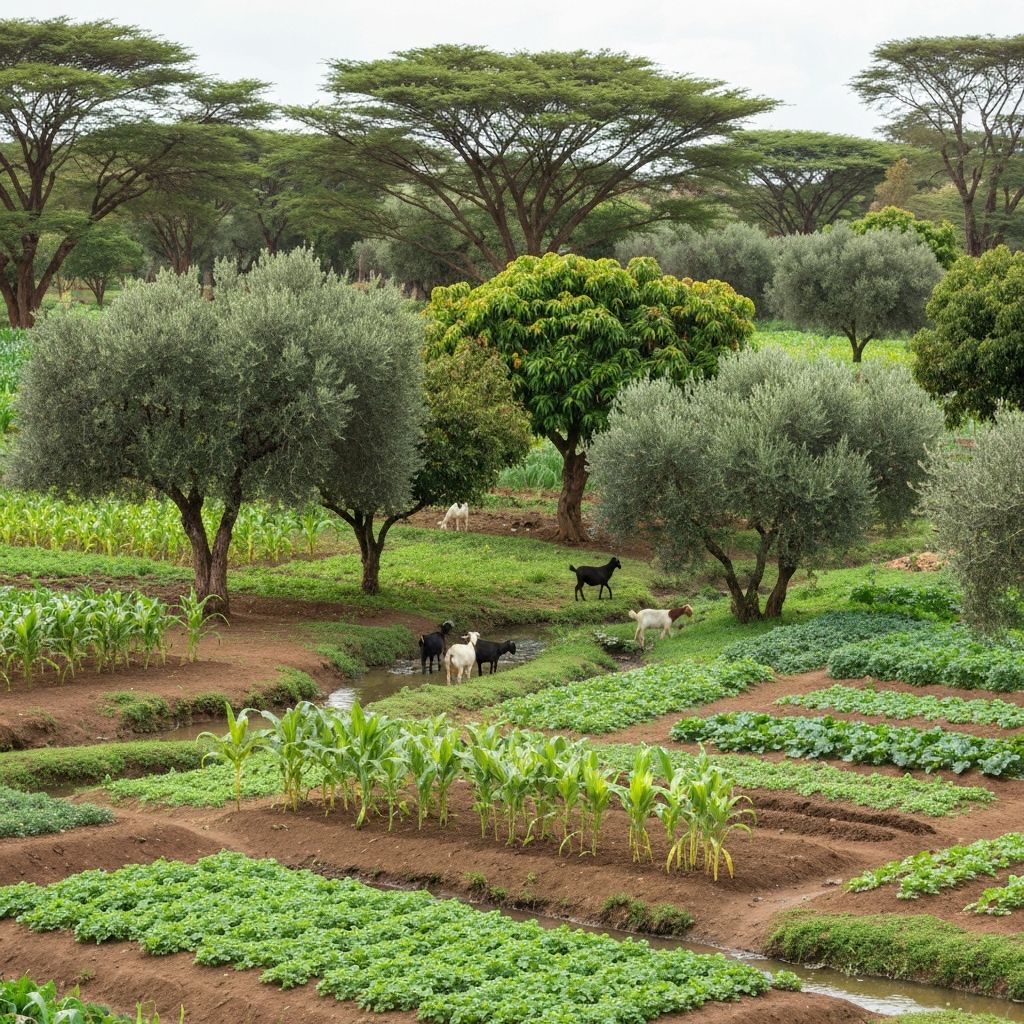
Urban Greening Nairobi: How Trees Are Cooling the City and Cleaning Its Air
Discover how ornamental and flowering trees like Jacaranda, Markhamia Lutea, and Bottle Brush are transforming Nairobi's heat islands into livable green spaces — and how your business or institution can be part of it.
Read More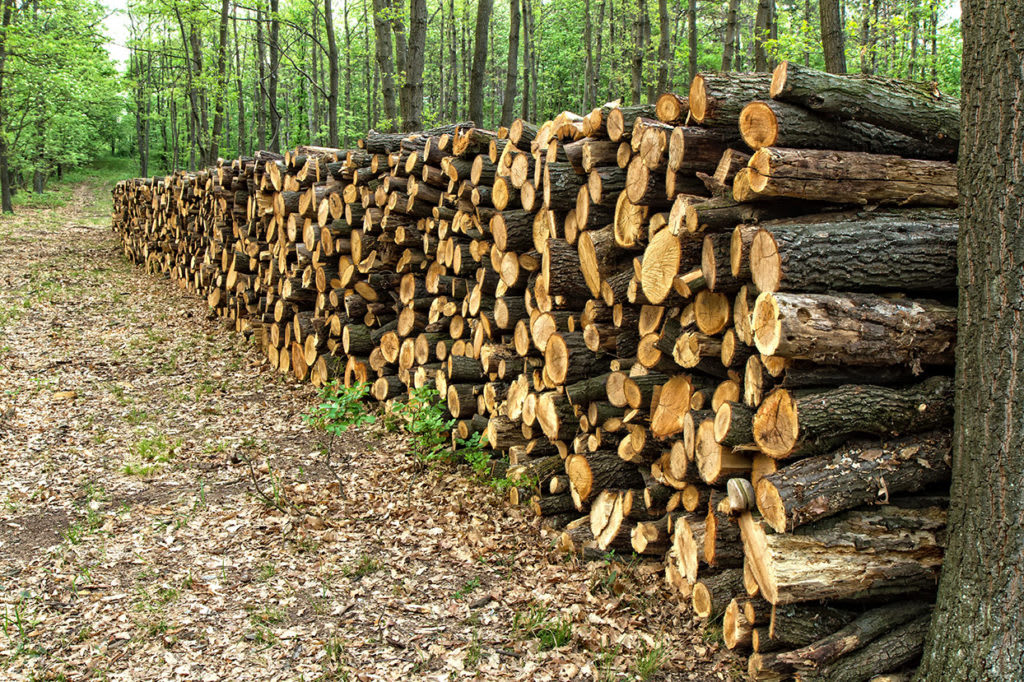
Commercial Timber in Nyeri and the Central Highlands: Turning Farmland Into a Long-Term Forestry Investment
Grevillea, Eucalyptus, Cypress, and Pine are transforming idle corners of Central Kenya's farms into long-term income. Here's how smallholder and commercial farmers in Nyeri and the Highlands are building timber wealth through agroforestry.
Read More