Introduction: Nairobi's Quiet Climate Problem
Stand at a bus stop on Uhuru Highway at 2 PM and you'll feel it: the tarmac radiates heat, the air smells faintly of exhaust, and there's barely a patch of shade in sight. This is Nairobi's urban heat island effect in action — a phenomenon where concrete, asphalt, and reduced green cover cause cities to run several degrees hotter than surrounding rural areas.
As Nairobi's population pushes past 4.5 million and construction continues to replace green space with concrete, the city's tree canopy is under real pressure. Yet the solution isn't complicated — it's one of the oldest technologies humans have: trees.
This guide is part of GreenAngels' broader reforestation Kenya series. If you haven't yet, take a look at our master report on how different ecological zones across Kenya are working toward the national 30% forest cover target.
→ See: The Pillars of Kenya's Reforestation
Why Urban Trees Matter More Than You Think
A mature tree canopy in an urban setting does far more than look attractive in photographs. Here's what's actually happening beneath those branches:
- Cooling effect: Tree canopy can lower surrounding air temperatures noticeably through shade and transpiration — a natural air conditioner that runs on sunlight.
- Air quality improvement: Leaves trap particulate matter from vehicle exhaust and industrial activity, a critical benefit along high-traffic corridors like Mombasa Road, Thika Road, and Waiyaki Way.
- Stormwater management: Tree roots improve soil infiltration, reducing the flash flooding that regularly disrupts Nairobi's roads during the long rains.
- Mental health and productivity: Green spaces in office parks and school compounds are linked to reduced stress and improved concentration — a quiet but real benefit for corporate campuses.
The Best Ornamental and Flowering Trees for Nairobi's Climate
Nairobi sits at roughly 1,795 meters above sea level, with predominantly red volcanic and loamy soils and a temperate highland climate moderated by altitude. This makes it remarkably forgiving for a wide range of ornamental species — but some perform better than others for specific goals.
Jacaranda (Jacaranda mimosifolia)
Nairobi's most iconic flowering tree. Come September and October, entire avenues turn purple as Jacarandas bloom in unison — a sight so synonymous with the city that many long-term residents mark the seasons by it. Beyond aesthetics, mature Jacarandas provide substantial canopy cover, making them ideal for avenues, large compounds, and institutional grounds with space to let them spread.
Markhamia Lutea (Markhamia)
An indigenous favorite, Markhamia lutea is fast-growing, hardy, and produces attractive yellow trumpet-shaped flowers. Because it's indigenous to the region, it integrates well with local ecosystems, supporting birdlife and pollinators — a quiet but meaningful biodiversity win for urban green spaces.
Bottle Brush (Callistemon species)
Compact, colorful, and low-maintenance, Bottle Brush trees are perfect for smaller compounds, road dividers, and spaces where a full-canopy tree isn't practical. Their bright red bottle-shaped flowers attract sunbirds and other pollinators, adding a touch of urban biodiversity even in tight spaces.
Palms (Various Ornamental Species)
For entrances, driveways, and statement landscaping, ornamental palms bring a structured, low-litter option that performs well in Nairobi's climate and requires comparatively low water input once established — useful for properties managing landscaping budgets.
Quick Reference: Matching Trees to Spaces
| Space Type | Recommended Species | Why |
|---|---|---|
| Avenues & large compounds | Jacaranda, Markhamia Lutea | Wide canopy, shade, seasonal color |
| School compounds | Markhamia Lutea, Bottle Brush | Hardy, biodiversity-friendly, manageable size |
| Office parks & entrances | Ornamental Palms, Bottle Brush | Structured look, low litter |
| Road dividers & tight spaces | Bottle Brush | Compact, colorful, low maintenance |
From Schools to Skyscrapers: Where Urban Greening Happens
Urban greening in Nairobi isn't a single project — it's hundreds of smaller initiatives that, together, move the needle:
School compounds across Nairobi's growing population of public and private schools represent one of the largest untapped opportunities for tree planting. A school that plants 50–100 ornamental and indigenous trees today is investing in shade, biodiversity education, and a greener campus for the next generation of students — often with support available through CSR partnerships.
Public spaces — parks, road reserves, riverbank buffers — are increasingly the focus of county government and NGO collaboration, particularly along rehabilitated areas of the Nairobi River.
Corporate campuses and office parks along Mombasa Road, Westlands, Karen, and the Upper Hill business district have growing square footage of green space, much of which sits underutilized or poorly landscaped. For corporates with CSR budgets and sustainability targets, planting indigenous and ornamental trees on existing grounds is a low-cost, high-visibility way to demonstrate environmental commitment.
When sourcing seedlings for any of these projects, species selection matters as much as the planting itself. At GreenAngels, every ornamental and flowering tree we supply is grown under KEFRI-certified, KEPHIS-registered conditions, with our 85%+ survival rate giving institutions confidence that the trees they plant for a CSR campaign or school greening drive will still be standing — and thriving — years later. And because urban planting often involves visible, photographed events, a tree dying within weeks isn't just a loss; it's a reputational risk. That's exactly why our 4-month Growth Guarantee applies to ornamental and flowering species too.
CSR Partnerships: A Practical Path for Corporates and Institutions
If your organization has a sustainability target, an upcoming World Environment Day activation, or simply wants to make its compound greener and more pleasant for staff and visitors, urban tree planting is one of the most cost-effective and visible CSR investments available.
A typical institutional greening partnership might involve:
- A site assessment to match species to available space and soil conditions
- Bulk supply of KEFRI-certified ornamental and indigenous seedlings
- Professional planting support
- Ongoing monitoring within the Growth Guarantee period
For organizations that want the environmental impact without managing the logistics themselves, our "Plant With Purpose" hands-free model — covered in detail in our diaspora and corporate guide — extends naturally to urban greening projects, with the same monitoring and verification standards applied to a tree planted in a Nairobi office park as one planted in a rural restoration site.
→ See: The "Hands-Free" Restoration Model: For Corporates & Diaspora
Beyond Nairobi: Where Else Does This Apply?
While this guide focuses on Nairobi, the principles apply to Kisumu, Mombasa, Nakuru, Eldoret, and any rapidly urbanizing center in Kenya. The species recommendations above are well-suited to most mid-altitude urban environments with similar soil and rainfall profiles.
Of course, not every county is fighting a heat island problem. In Eastern Kenya's drylands, the challenge is the opposite — not too much concrete, but not enough water. If your organization operates across multiple regions, it's worth understanding how dramatically different the planting strategy becomes once you cross into ASAL territory.
→ See: Machakos & Eastern Region: Battling Desertification in ASALs
Get Started: Bring Green Back to Your Corner of Nairobi
Whether you're a school administrator planning a tree-planting day, a facilities manager looking to upgrade your compound's landscaping, or a CSR lead scoping out your organization's next environmental initiative, GreenAngels Tree Nursery supplies KEFRI-certified ornamental and flowering trees — Jacaranda, Markhamia Lutea, Bottle Brush, Palms, and more — with delivery and planting support available across Nairobi.
Every seedling comes backed by our 85%+ survival rate and 4-month Growth Guarantee, so your green initiative isn't just a one-day event — it's a lasting investment in the city's air, shade, and beauty.
[Contact GreenAngels Tree Nursery to discuss your urban greening or CSR tree-planting project today.]
Related Topics
Related Articles

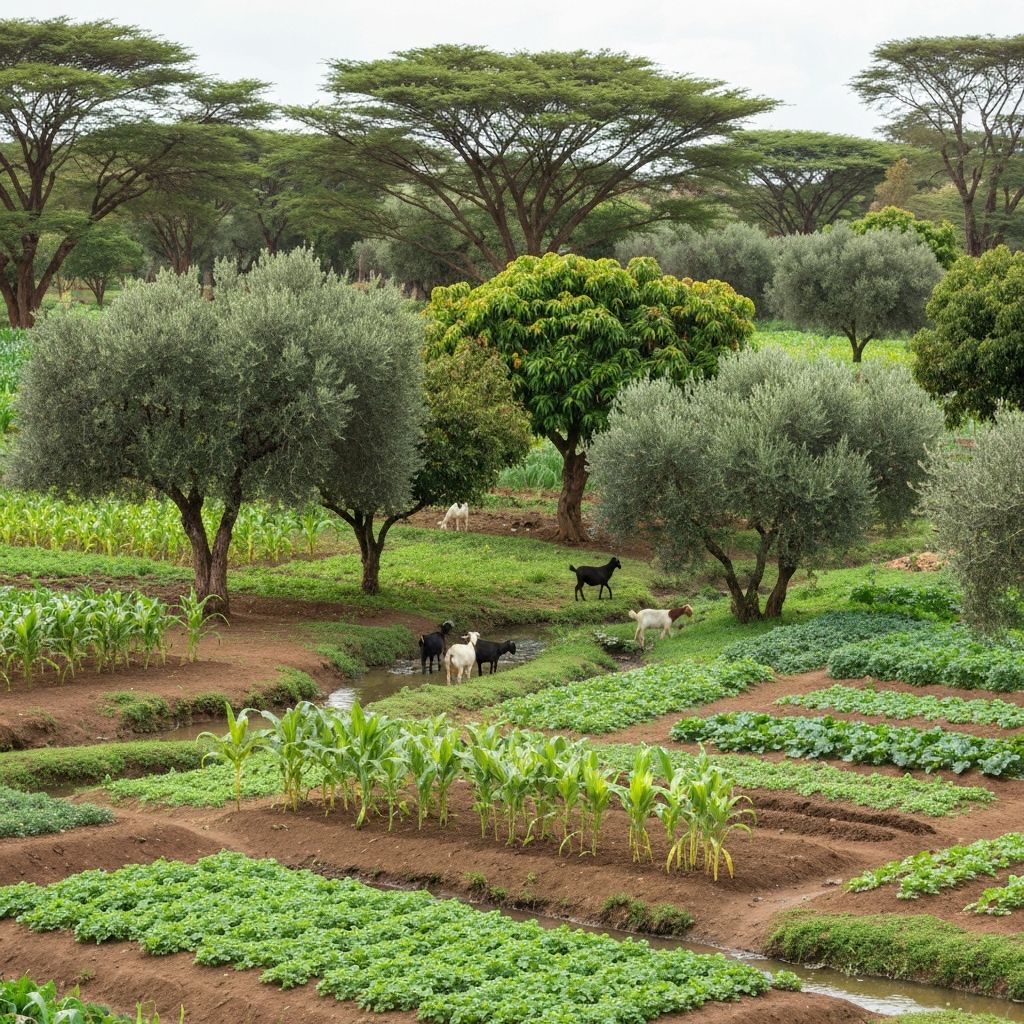
The Pillars of Kenya's Reforestation: How Highlands, ASALs, and Cities Are Rebuilding Our 30% Forest Cover Target
Kenya is racing toward a 30% forest cover target by 2032. Discover how the Highlands, Arid and Semi-Arid Lands, and urban centers each play a unique role in reforestation Kenya efforts — and how wholesale tree nursery Kenya suppliers like GreenAngels make it possible.
Read More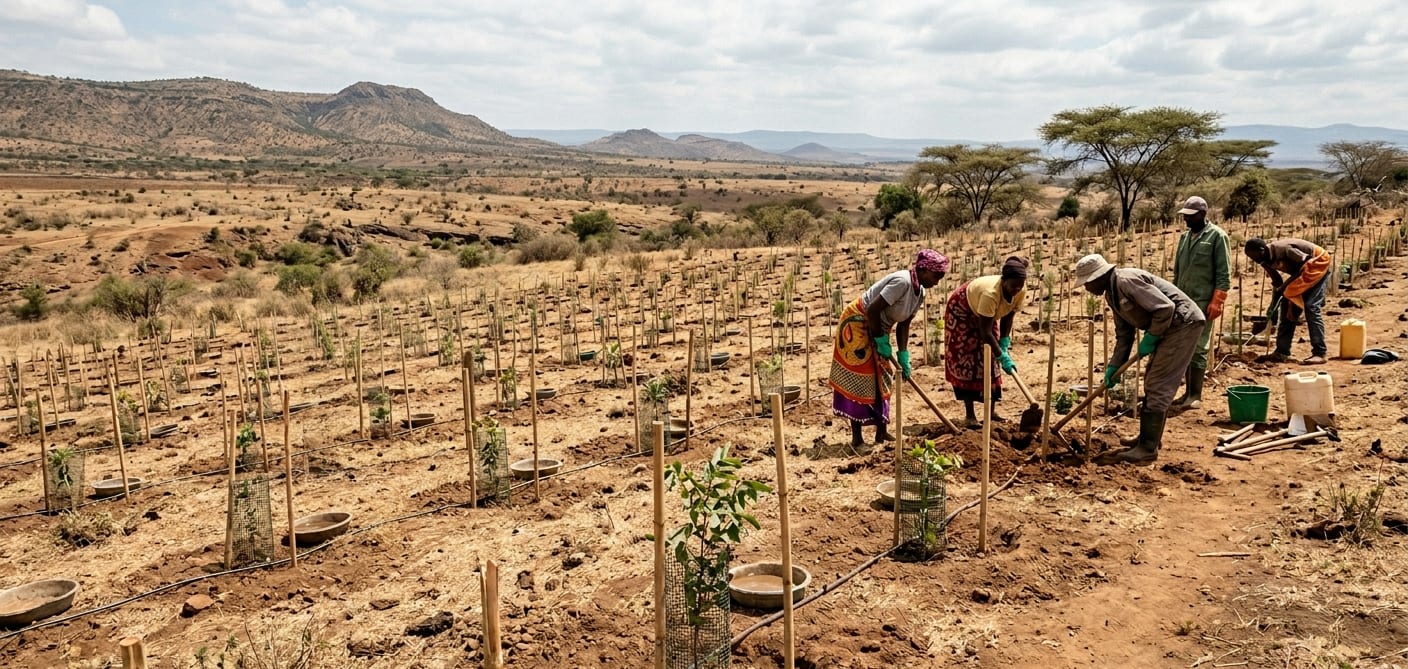
Battling Desertification in Machakos and Eastern Kenya: The Trees That Are Turning Drylands Green Again
From cracked black cotton soil to thriving Mukau woodlots — discover how Acacia, Moringa, Neem, and other hardy indigenous trees are reversing desertification across Machakos and Eastern Kenya's ASALs.
Read More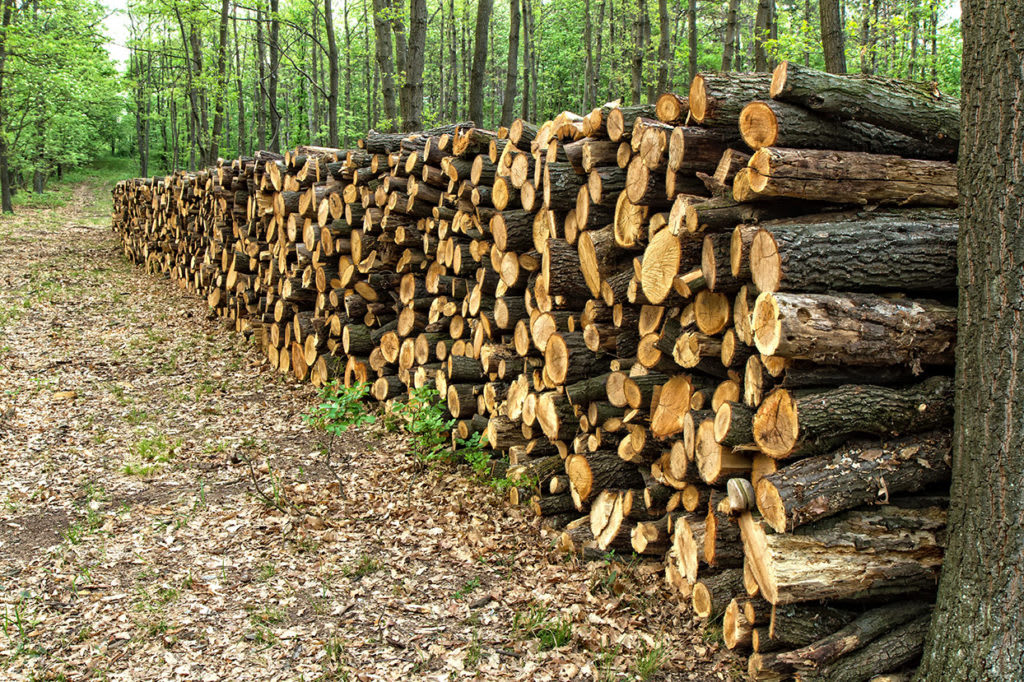
Commercial Timber in Nyeri and the Central Highlands: Turning Farmland Into a Long-Term Forestry Investment
Grevillea, Eucalyptus, Cypress, and Pine are transforming idle corners of Central Kenya's farms into long-term income. Here's how smallholder and commercial farmers in Nyeri and the Highlands are building timber wealth through agroforestry.
Read More