
Introduction
This is a fully Kenya-focused report on tree tomato (Solanum betaceum, also known as tamarillo). This fast-growing, shrub-like evergreen perennial is prized for its tangy, vitamin-rich fruits (exceptionally high in vitamin C, A, antioxidants, fiber, and potassium—often called a "superfruit"). In Kenya, tree tomato has gained traction as a high-value horticultural crop among smallholders and commercial farmers, particularly in highlands where it offers quicker returns than many tree fruits. Production is expanding due to strong local demand for fresh consumption and processing (juices, jams), with growing health-conscious urban markets and export potential. From a national Kenyan perspective, tree tomato is a low-to-moderate input crop with excellent profitability potential once established, suiting diversified farms and providing reliable income within a year.
Suitability Assessment: Is Tree Tomato Right for Your Kenyan Location?
Tree tomato thrives in subtropical highland conditions and is adaptable yet sensitive to extremes. Key requirements:
Altitude: 1,500–3,000 m above sea level (optimal for fruit quality and yield).
Temperature: 15–20°C (subtropical; intolerant to frost below -2°C or prolonged heat above 25–28°C).
Rainfall: 600–4,000 mm annually, well-distributed; supplemental irrigation critical in dry seasons due to shallow roots.
Soil: Well-drained, fertile loamy or sandy loam rich in organic matter; pH 5.0–8.5; deep profile (>1 m); avoid waterlogging or compacted soils (root rot risk).
Other: Full sun with wind protection (shallow roots and brittle branches); gentle slopes for drainage.
Major growing regions in Kenya (where it performs best and is already established):
- Central Highlands: Murang'a, Nyeri, Kiambu, Embu, Nyandarua.
- Rift Valley: Kericho, Nakuru, Eldoret.
- Western/Nyanza: Kisii, Kakamega, Migori.
- Other: Meru and suitable highland pockets in Eastern/Western Kenya (similar to citrus-growing areas).
It is less ideal in lowlands, coastal zones, or arid areas without intensive irrigation and windbreaks. Conduct a soil test (pH, drainage, nutrients) and consult your county agriculture office or KALRO for site-specific advice. If your location meets the altitude, drainage, and water-access criteria, tree tomato is highly suitable and low-risk for quick income.
Varieties: Red Oratia (most popular, high juice/content; graft on Muthakwa rootstock for drought/nematode resistance and higher yields); Yellow/Gold (better shelf life for processing); Orange (balanced flavor, juice); Purple/Black (larger, premium flavor).
Land Preparation
Begin 1–2 months before planting (ideally before rains):
- Clear vegetation, weeds, and debris.
- Deep plough/rip (30–60 cm) to break hardpans and improve aeration/drainage.
- Dig soil profile pits; test and amend pH (lime if needed) + 10–20 tons/ha well-decomposed manure/compost.
- Mark rows (north-south orientation).
Planting holes: 60 cm × 60 cm × 60 cm (or ~2 ft deep). Backfill with topsoil + 2–3 wheelbarrows manure/compost + 100–200 g DAP/TSP per hole.
Preparation of Planting Material
Use certified grafted seedlings (preferred: Red Oratia on Muthakwa for 8–12 months to fruit, higher yields, and resilience) from Green Angels, licensed nurseries, or reputable suppliers. Non-grafted (seeds or cuttings) are cheaper but slower (1.5–2 years) and lower-yielding.
- Select: Healthy 20–30 cm tall plants with strong roots.
- Alternatives: Seeds (nursery-raised, germinate 2–3 weeks) or semi-hardwood cuttings (20–30 cm from 1–2 year plants, rooted in hormone).
- Cost: KSh 80 per seedling from Green Angels; harden off before field planting.
Planting
Timing: Onset of rains (March–April or October–November) for natural establishment.
Spacing: 2 m × 2 m (or 4 ft × 5 ft / ~1.2 m × 1.5 m; allows ~1,000–1,200 plants/acre in high-density systems) or wider 3 m × 3 m.
Plant at nursery depth (graft union above soil); water thoroughly; mulch 1 m radius (keep from trunk); install windbreaks/stakes.
Maintenance from Establishment to Harvest
Tree tomato is relatively fast-growing but requires consistent moisture and protection.
Irrigation: Shallow roots make it drought-sensitive—drip systems ideal. Water 2–3 times/week (20–30 L/tree) in dry periods; maintain 60–70% soil moisture. Mulch heavily.
Fertilization: Heavy feeder. Basal manure/DAP at planting; top-dress NPK 17:17:17 (40 days), CAN (60 days) at ~100 g/tree; foliar feeds (e.g., during flowering/fruiting) + micronutrients. Soil tests every 6–12 months.
Pruning: At 1–1.5 m height, tip to encourage branching; annual post-harvest prune for canopy airflow, size control (<3–4 m), and better fruiting. Remove suckers/water sprouts.
Weeding/Mulching: Keep weed-free (manual or selective herbicide); mulch for moisture/weed suppression.
Pest & Disease Management (IPM priority):
- Pests: Aphids, whiteflies, nematodes (drench with approved products; neem options).
- Diseases: Blight, powdery mildew, mosaic (fungal sprays; control vectors). Scout regularly; preventive fungicides.
Stake at fruiting; intercropping possible early (e.g., vegetables).
Growth Timeline and First Harvest
Grafted trees: First flowering/fruiting in 8–12 months (non-grafted: 1.5–2 years).
Full production: Year 2–3; productive lifespan 10–12+ years.
Yields: 20–30 kg/tree/year (up to 80–100 kg grafted under excellent management); well-managed acre: 20–30 tons/season (multiple picks possible).
Harvesting Process
Harvest at physiological maturity (firm-ripe stage for best flavor/storage):
Indicators: Skin shifts to red/yellow/orange (variety-dependent); fruit firm, aromatic.
Method: Snap/pull gently by hand (leave short stalk attached) in early morning/late evening. Fruits in clusters of 1–6; multiple harvests per season. Handle carefully to avoid bruising; sort immediately.
Post-Harvest Handling
Perishable (high losses if delayed)—shade, use ventilated crates, transport quickly to market/processor. Cool storage extends life.
Market Demand and Trends
Demand is strong and growing. Kenya's production supports local fresh sales and processing; urban "superfood" trends (nutrition, juices) drive supermarket/hotel uptake. High consumption in hot/dry months (supply gaps boost prices). Export opportunities to Europe/Middle East for fresh/processed; value-addition (juice, jams) expanding. Sector benefits from horticulture growth and health awareness.
Common Uses
Fresh: Scoop flesh (peel skin if bitter), salads, desserts.
Processed: Juices, nectars, jams, preserves, stews/sauces, smoothies.
Nutritional/medicinal: High vitamins, antioxidants; leaves sometimes traditional use.
Common Buyers in Kenya
Local: Supermarkets, hotels, restaurants, fruit vendors, urban markets (Nairobi, Mombasa, etc.).
Processed/Export: Juice/pulp processors, exporters (Europe/Middle East).
Direct: Farm-gate, cooperatives, or e-commerce platforms.
Current Selling Prices (2026 Data)
Farm-gate: KSh 50–100/kg (varies by quality/season/supply).
Retail/processed: KSh 100–150+/kg (higher for premium/varieties; juice commands premium).
Peaks in hot months due to demand.
Profitability and Costs
Initial setup (per acre): Moderate—KSh 150,000–300,000+ (seedlings, land prep, drip irrigation ~KSh 150,000, basic infrastructure).
Annual maintenance (mature): Relatively low (KSh 80,000–150,000/acre: inputs, labor, pest control).
Revenue (mature acre): KSh 2.1–4.5 million+ (25–30 tons at prevailing prices; high-density boosts this).
Net profit: Strong ROI after 8–12 months; KSh 1.5 million+ annually possible. Break-even quick; one of Kenya's faster-return fruit crops with low ongoing costs.
Success Stories from Kenyan Farmers
Smallholders and commercial growers in highlands have scaled successfully. Farmers in Murang'a, Meru, Kisii, and Uasin Gishu report transforming small plots into steady income sources via grafted varieties and value-addition. Many achieve life-changing returns from 0.5–1 acre plots, with women groups and youth leveraging cooperatives for market access. Pioneers using Muthakwa-grafted Red Oratia note doubled yields and drought resilience, turning tree tomato into a core enterprise alongside other fruits.
Challenges and Disadvantages
Shallow roots: Sensitive to drought, wind damage, and branch breakage (needs staking/irrigation).
Perishability and post-harvest losses if not marketed quickly.
Pests/diseases (blight, mildew, aphids, nematodes—if unmanaged).
Frost intolerance and initial care for young plants.
Price fluctuations during gluts; quality standards for premium markets.
Mitigate with grafted stock, drip irrigation, IPM, windbreaks, and cooperatives/processing.
Conclusion and Recommendations
Tree tomato is one of Kenya's most promising "quick-win" fruit crops—ecologically suited to our highlands, nutritionally valuable, and economically rewarding with fast fruiting and strong demand. Start small (0.5–1 acre), prioritize grafted seedlings (Red Oratia/Muthakwa), invest in drainage/irrigation, and secure market linkages early (supermarkets or processors). With disciplined care (pruning, IPM, mulching), it delivers reliable profits within a year while diversifying your farm.
For tailored advice, test your soil and engage your county extension services or KALRO. Kenya's tree tomato sector continues to expand—plant strategically and tap into this nutritious, profitable opportunity.
This report draws from current 2026 Kenyan agronomic guidelines, nursery data, and farmer practices. Farm successfully!
Related Topics
Related Articles
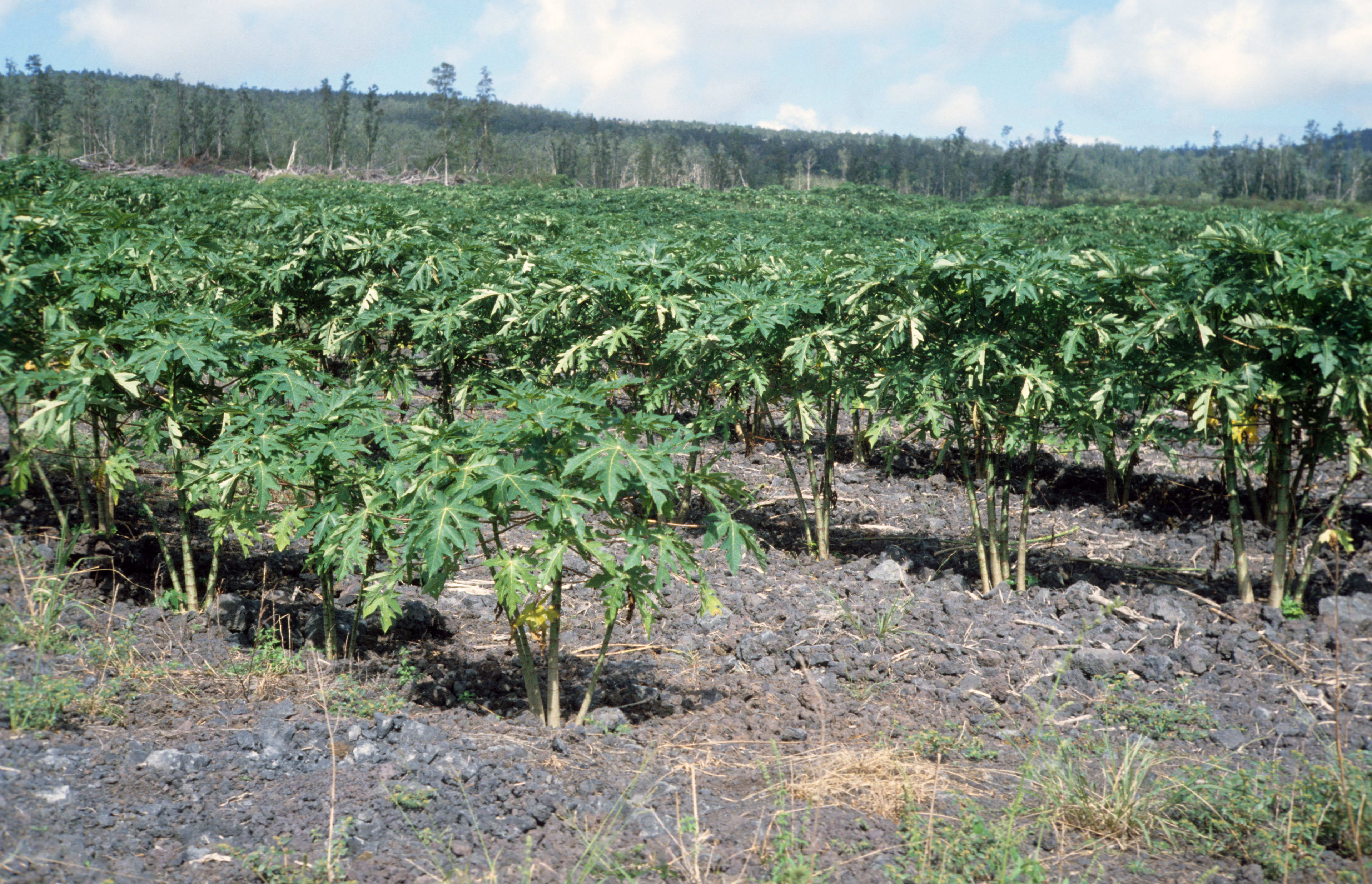
Best Economical and Productive Trees to Grow in Embu's Semi-Arid Zones
Embu County spans both the productive highlands and the harsh ASAL zones of Mbeere. Discover which trees survive the heat, thrive in sandy soils, and pay back quickly — mango, moringa, pawpaw, Mukau, and tamarind.
Read More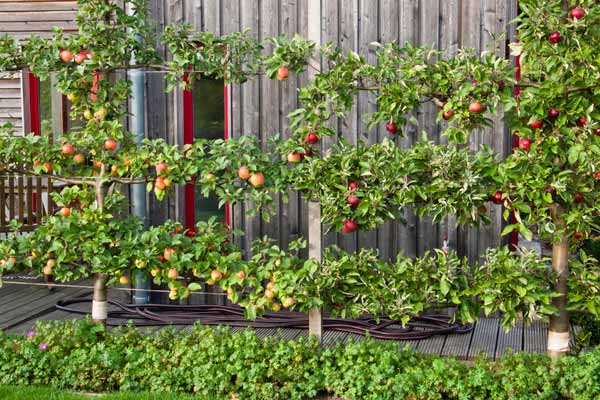
How to Grow a High-Yield Backyard Fruit Orchard in Nairobi: A Beginner's Guide
You don't need a farm to grow your own fruit. Discover how to turn unused compound space into a productive backyard orchard with grafted seedlings suited to Nairobi's soils and seasons.
Read More
How to Successfully Grow Grafted Hass Avocado and Pixie Oranges in Nairobi's Climate
A practical guide for Nairobi farmers on growing high-value grafted fruit trees. Learn about microclimates, soil preparation, pest management, and the economics of Hass avocado and Pixie orange orchards near the capital.
Read More