Introduction
Embu County is not one climate. The upper zone — Manyatta, Runyenjes, upper Embu East — sits on the productive, well-watered slopes of Mount Kenya, with reliable rainfall and rich red volcanic soils. But travel down into Mbeere North and Mbeere South, and you are in a completely different agricultural reality.
Mbeere is classified as ASAL — Arid and Semi-Arid Land. Annual rainfall sits between 400mm and 700mm, distributed unevenly across two seasons that frequently disappoint. Temperatures push above 35°C through the dry months. The dominant soils are sandy loam and sandy clay — they drain fast, hold little moisture, and are low in organic matter.
Most farmers in Mbeere treat these conditions as a constraint. The most successful ones have learned to treat them as a species-selection challenge. The right tree, planted correctly, turns Mbeere's heat and sandy soils from a liability into an advantage.
What "Economical and Productive" Actually Mean in a Semi-Arid Context
A tree is economical in Mbeere if it does three things: survives on low, irregular rainfall once established; generates measurable income or reduces household costs; and reaches productivity within a realistic timeframe for the farmer who planted it.
Long-rotation timber species have a role, but a farmer who plants a tree that won't produce any income for fifteen years needs a short-cycle intercrop alongside it or they will uproot it by year three. The species mix in this article is designed with that reality in mind — combining fast-cash crops, medium-term fruit income, and long-term asset-building in a single planting strategy.
Grafted Mango — The Commercial Backbone of Semi-Arid Embu
If there is one crop that defines lower Embu's agricultural economy, it is mango. Mango (Mangifera indica) thrives in the hot, well-drained conditions that make other fruit trees struggle. Sandy loam soils — which cause headaches for maize farmers in Mbeere — are close to ideal for mango. They drain fast, prevent root rot, and the heat accumulation in the low-altitude zones intensifies fruit sugar content.
But the variety and propagation method you choose determines whether you are farming or just gardening.
Why Grafted Mango Changes the Economics Completely
A seed-grown mango tree in Mbeere will take 8 to 12 years to produce its first meaningful harvest, and it will likely be a poor-quality, fibrous local variety with limited market demand. A verified grafted variety — specifically Apple Mango (also called Apple or Ngowe) or Kent — begins fruiting in 2 to 3 years and produces the large, fleshy, low-fibre fruit that Nairobi premium markets, hotels, and export processors actively pay a premium for.
At Green Angels Tree Nursery, grafted mango seedlings are propagated from certified mother trees with confirmed varietal characteristics. That matters because a significant number of seedlings sold at roadside markets in Embu Town and Siakago are ungrafted, mislabelled, or grafted onto weak rootstocks that fail under water stress. There is no way to tell the difference at planting — you only discover the problem four years later when the tree fruits poorly.
Mango Planting Specifics for Mbeere Conditions
- Spacing: 8m × 8m for long-term commercial orchards; 6m × 6m for intensive systems with planned thinning at year 5
- Pit preparation: Dig 60cm × 60cm × 60cm, backfill with a mix of sandy loam, compost, and 200g of triple superphosphate (TSP). The compost addition is critical in Mbeere — it increases the soil's water retention capacity around the root zone during dry months
- Irrigation: Young mango trees need weekly deep watering for the first 6 months. After that, bi-weekly watering through the dry season is sufficient for established trees. One 20-litre jerrican per tree, delivered slowly at the root zone with mulch cover, is enough
- Intercropping window: The spacing between mango trees during the first 4–5 years before canopy closure is productive farmland. Pawpaw planted at 2.5m intervals between mango rows generates income from month 9 while the mango establishes. Once the mango canopy fills in, the pawpaw is phased out naturally
Market reality: Apple mango farm gate prices in Mbeere and Embu range from KES 5 to KES 25 per fruit depending on season and buyer. A mature grafted mango tree produces 200–400 fruits per season. Thirty trees in productive harvest — achievable on a single acre — represent meaningful annual income at any point in that price range.
Moringa — The Fastest Economic Return in Any Semi-Arid Planting
Moringa oleifera may be the most underutilised commercial crop in Embu County. It grows vigorously in exactly the conditions where other crops fail: poor sandy soils, high temperatures, and low, irregular rainfall. A mature moringa tree survives on 400mm of annual rainfall — the lower end of Mbeere's range — with no supplemental irrigation once established.
The economics are structured differently from fruit trees. Moringa's primary commercial products are dried leaf powder (used in nutraceuticals, baby food supplements, and health products) and seeds (cold-pressed for Ben oil, used in cosmetics and water purification). Both have established buyer networks in Nairobi.
What Moringa Returns in the First Year
- Plant moringa seedlings at 1m × 1m spacing in dedicated plots, or at 3m intervals as an intercrop between longer-cycle trees
- Begin harvesting leaves at 60–90 days from transplanting, cutting branches at 30cm from the ground to promote bushy regrowth
- A managed moringa plot under a harvest-and-coppice system yields 8 to 12 tonnes of fresh leaves per acre per year, which dehydrates to roughly 1.0–1.5 tonnes of dried powder
- Current market pricing for dried moringa leaf powder: KES 800–1,500 per kilogram depending on quality and buyer. Certified organic certification, increasingly accessible to small farmer cooperatives, pushes this closer to KES 2,000/kg in export channels
Moringa is not a "plant and forget" crop. It requires regular harvest cycles and leaf drying capacity, but the investment threshold is low and the first income arrives within three months of planting.
Mukau (Melia volkensii) — The Indigenous Semi-Arid Timber Asset
Mukau (Melia volkensii) is indigenous to Kenya's semi-arid belt — its natural range runs through Mbeere, Kitui, Makueni, and down into the Tana River basin. This is not a species being introduced into a foreign environment; it evolved here. That single fact makes it the most naturally suited timber tree for lower Embu's challenging conditions.
Mukau timber is dense, beautifully figured, and highly resistant to termite attack — which makes it exceptionally valuable for furniture, carving, roofing poles, and construction. A mature Mukau stem (achievable in 15–20 years under good management) currently fetches KES 5,000 to KES 20,000 at farm gate depending on girth and quality. A well-managed agroforestry plot with 40 Mukau trees is a retirement fund.
Mukau's Role in the Semi-Arid Farming System
Beyond timber value, Mukau contributes to the farming system in active ways. Its canopy provides partial shade that reduces soil temperature and slows moisture evaporation — measurably improving conditions for the understorey crops grown alongside it. Its leaf litter is high in nitrogen and breaks down to improve soil organic matter over time. The roots do not aggressively compete for shallow moisture the way Eucalyptus does, making it genuinely compatible with intercropping.
- Planting spacing: 5m × 5m for timber production; 8m × 8m when integrated with food crops beneath
- Growth rate: 1–2m per year under Mbeere conditions with good initial establishment moisture — fast for a hardwood of this quality
- Establishment critical period: The first dry season after planting is the most vulnerable point. Water once per week for the first 4–5 months. After that, Mukau is effectively self-sufficient
The Kenya Forestry Research Institute (KEFRI) actively promotes Mukau under national ASAL agroforestry programs. It qualifies for several county and national government seedling subsidy schemes worth verifying at your local agricultural office.
Tamarind — The Underexploited Long-Term Income Tree
Tamarind (Tamarindus indica) is one of the most drought-tolerant fruit trees on earth, genuinely native to the East African semi-arid belt, and produces a fruit with strong, established commercial demand. It is also almost completely overlooked as a planted commercial crop in Mbeere — which represents a genuine market opportunity for early adopters.
Tamarind pods are processed into paste, concentrate, and powder used widely in Kenyan cooking, food manufacturing, and increasingly in export spice markets. Farm-gate pricing runs from KES 30–80 per kilogram for fresh pods and KES 200–500/kg for processed paste, with demand consistently outstripping domestic supply.
Grafted tamarind varieties are the critical distinction here. A seed-grown tamarind takes 8–10 years to produce its first commercial crop. Grafted varieties from verified sources reduce this to 3–4 years. The grafted option is the only economically rational choice for a commercial planting.
- Spacing: 10m × 10m — tamarind develops a large, spreading canopy at maturity
- Water requirement after establishment: Near-zero. A mature tamarind tree in Mbeere requires no supplemental irrigation — which is extraordinary for a fruit tree
- Longevity: Tamarind trees produce commercially for 50–150 years. A planted tamarind grove is generational wealth in the literal sense
Pawpaw — Fast Cash While Your Other Trees Establish
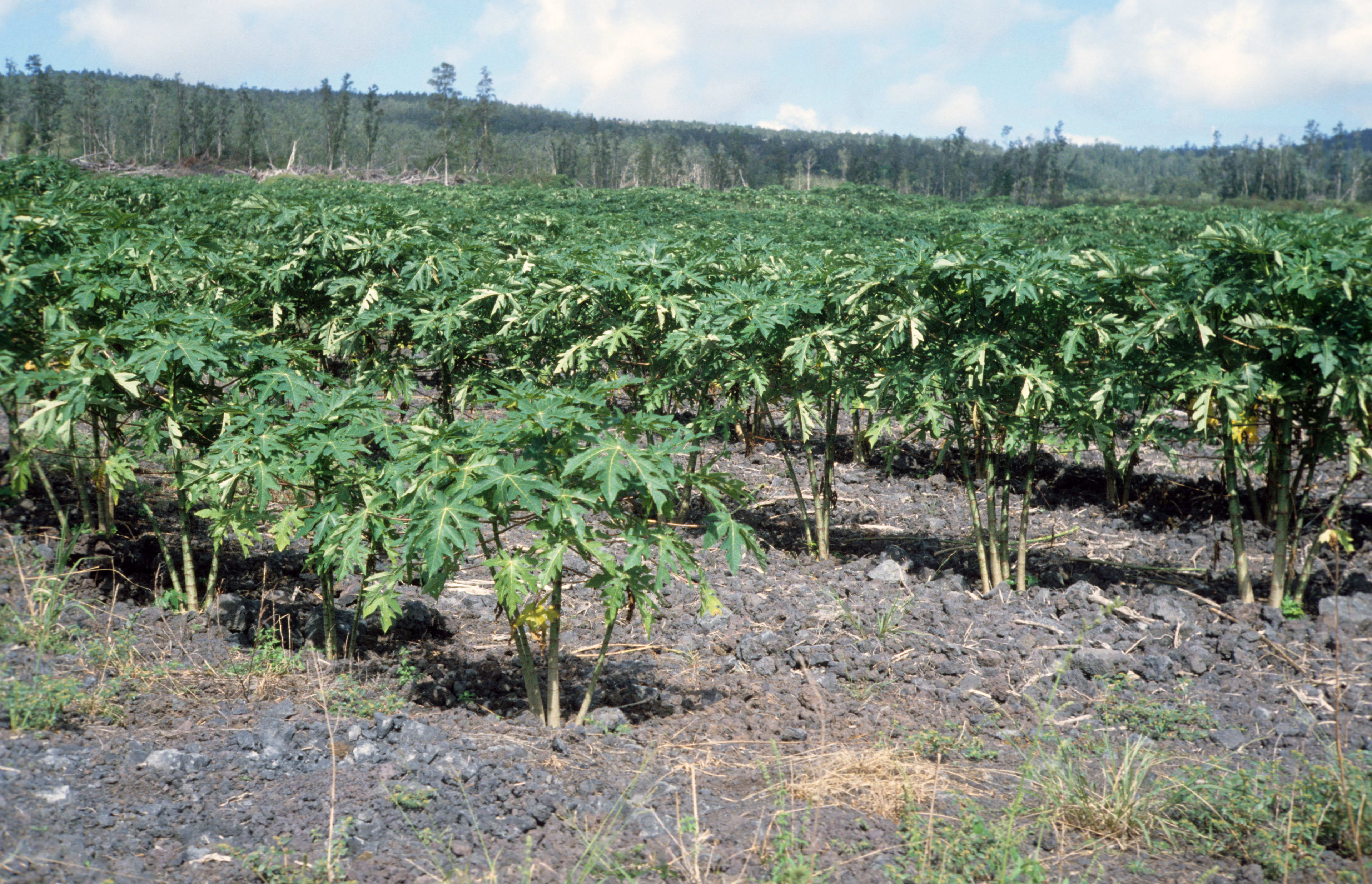
Pawpaw (Carica papaya) is the intercrop that finances patience. It fruits in 9–12 months, generates continuous income across its 2–3 year productive lifespan, and grows well in Mbeere's sandy loam under supplemental irrigation.
Varieties to plant in semi-arid Embu: Solo Sunrise and Red Lady F1 — both are compact, productive, and command premium pricing at Nairobi's supermarket supply chains. Red Lady is particularly well-suited to hot, lower-altitude conditions.
Pawpaw's water requirement is higher than the other species on this list — a minimum of 10–15 litres per tree, twice weekly through the dry season is non-negotiable. Factor this into your water infrastructure before planting. A simple gravity-fed drip line from a 5,000-litre polytank is achievable at low cost and handles a meaningful plot.
Use pawpaw to finance your first three years while mango and Mukau establish. By the time pawpaw's productive life ends, your mango trees are entering peak production.
Making Water Work: Establishment Strategies for Semi-Arid Conditions
Every species on this list is drought-tolerant at maturity. None of them is drought-tolerant in its first 6 months. The most common cause of tree establishment failure in Mbeere is not drought — it is planting without a water plan for the first dry season.
Three low-cost techniques that dramatically improve establishment success:
Zai pits: A traditional ASAL technique where trees are planted into 30–40cm depressions that harvest rainwater runoff from the surrounding area. Water from a 4–5 square metre catchment concentrates at the root zone of a single tree during each rain event. Combined with mulch, this extends soil moisture availability by 3–4 weeks per rain event.
Half-moon water catchments: Semicircular berms built upslope of each tree, 1–2 metres in radius. Effective on gently sloping ground — common across lower Mbeere. Construction takes 20 minutes per tree with a jembe and represents zero cash cost.
Mulching: A 10–15cm ring of organic mulch (dry grass, crop residue, or sawdust) kept 5cm away from the stem at all times. In Mbeere's sandy soils, mulching reduces surface evaporation by up to 50% — equivalent to halving your irrigation frequency during the critical establishment period.
Contact Green Angels Tree Nursery for Semi-Arid Planting Stock
Sourcing certified, variety-verified seedlings for semi-arid conditions is not a detail to compromise on. The wrong stock — whether mislabelled mango, ungrafted tamarind, or disease-susceptible pawpaw from an unverified vendor — wastes a full growing season and everything spent on water, labour, and soil preparation.
Green Angels Tree Nursery supplies:
- ✅ Grafted Apple Mango and Kent mango seedlings — variety-verified
- ✅ Moringa seedlings — commercial leaf varieties
- ✅ Mukau (Melia volkensii) seedlings for ASAL agroforestry systems
- ✅ Grafted Tamarind — accelerated-fruiting varieties
- ✅ Pawpaw seedlings — Solo and Red Lady F1
- ✅ Bulk orders with delivery across Nairobi, Embu, Mbeere, and surrounding counties
- ✅ Planting layout consultation for your specific plot and conditions
📞 Call or WhatsApp: 0702 209989 🌐 Visit: https://www.greenangelstreenursery.co.ke/ 📍 Walk-ins welcome — bring your plot size and a photo of your site, and get a realistic planting plan built around Mbeere's specific conditions.
Semi-arid land is not marginal land. It is land waiting for the right trees.
Related Topics
Related Articles
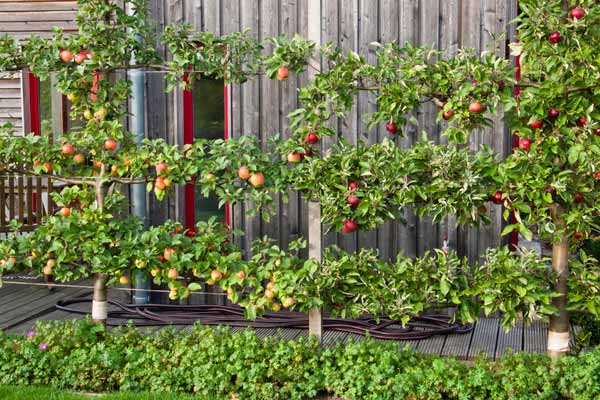
How to Grow a High-Yield Backyard Fruit Orchard in Nairobi: A Beginner's Guide
You don't need a farm to grow your own fruit. Discover how to turn unused compound space into a productive backyard orchard with grafted seedlings suited to Nairobi's soils and seasons.
Read More
How to Successfully Grow Grafted Hass Avocado and Pixie Oranges in Nairobi's Climate
A practical guide for Nairobi farmers on growing high-value grafted fruit trees. Learn about microclimates, soil preparation, pest management, and the economics of Hass avocado and Pixie orange orchards near the capital.
Read More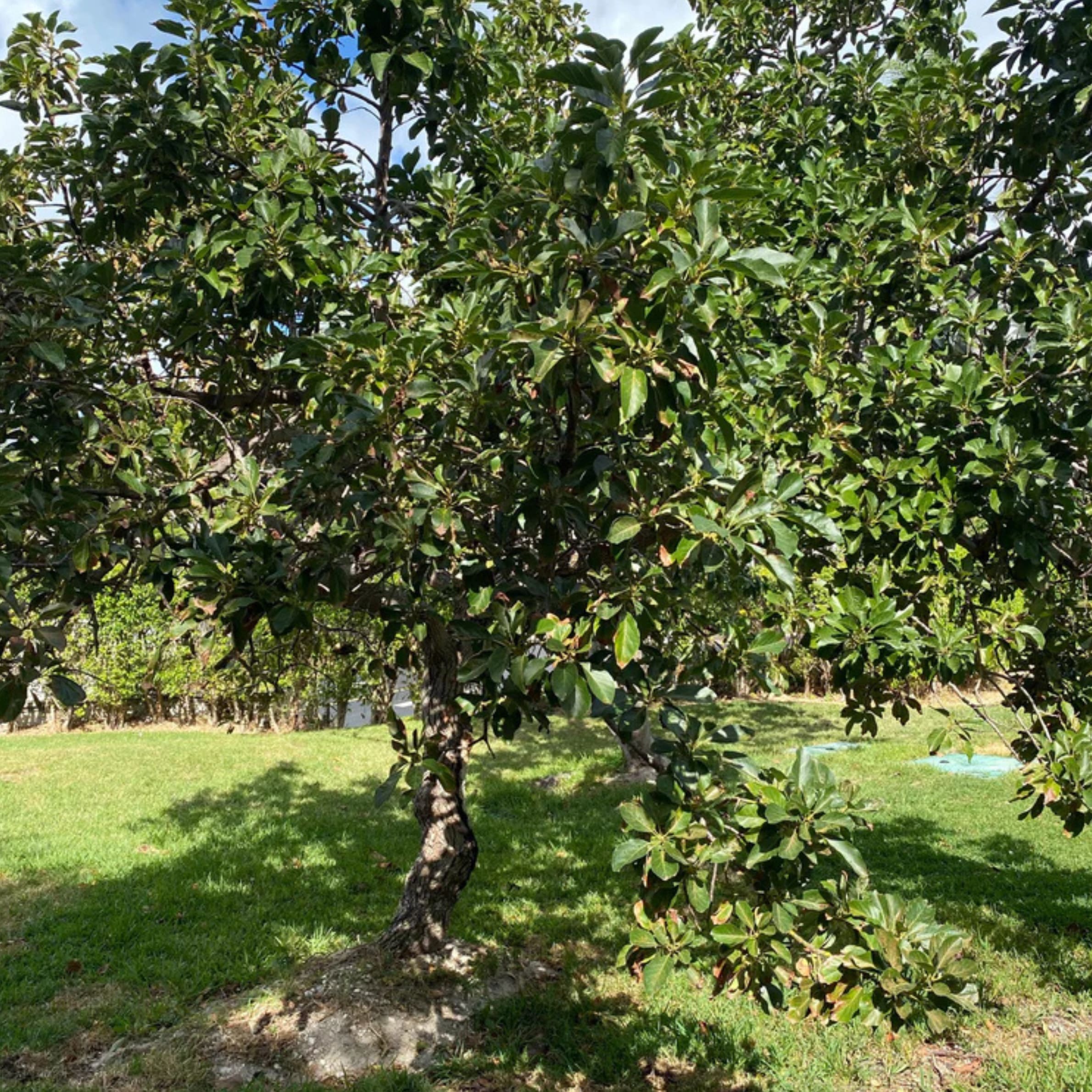
Hass Avocado Farming in Kenya: A Comprehensive Guide
As an Ivy League-trained botanist specializing in tropical horticulture, I have curated this fully Kenya-focused report on Hass avocado. This premier export variety dominates Kenya's avocado sector thanks to its thick, pebbly skin, creamy high-oil flesh, and superior shelf life.
Read More