
Introduction
If you own a quarter-acre plot in Ruiru, a half-acre in Karen, or a shamba at the edge of Kiambu, you are sitting on genuine passive income potential — and most people have no idea. Grafted Hass avocado and Pixie orange trees are among the most commercially rewarding crops you can grow within and around Nairobi, and they are far more manageable than people assume.
The challenge is not climate. Nairobi's environment is genuinely well-suited to both crops. The challenge is starting with the right planting material — and that decision determines everything that follows.
Understanding Nairobi's Microclimates: Why They Matter for Fruit Trees
Nairobi and its surrounding counties do not have a single uniform climate. The city straddles several distinct agro-ecological zones, and knowing which one you are farming in directly affects your variety selection, irrigation needs, and soil preparation approach.
The upper zones — Kiambu, Runda, Limuru fringes, and parts of Gigiri — sit above 1,600m with rich red volcanic soils, reliable bi-modal rainfall, and cool nights that Hass avocado trees respond to extremely well. These areas receive between 900mm and 1,200mm of rainfall annually across two seasons: the long rains (April to June) and the short rains (October to November).
The lower peri-urban zones — Syokimau, Kitengela, Athi River, and Machakos environs — drop to between 1,400m and 1,500m, are significantly drier, and are defined by heavy black cotton soils (vertisols) that crack in the dry season and waterlog easily when it rains. These areas experience harsh dry spells from January to March that will kill an unestablished seedling within weeks if irrigation is not in place.
Both zones can produce excellent yields. But they require different starting strategies.
The January–March Dry Spell: Planning Around Nairobi's Most Damaging Season
This is where most backyard orchardists lose their first planting. The period between January and March brings little to no meaningful rainfall across most of the Nairobi metropolitan area. Temperatures push into the high 20s, the topsoil dries out fast, and a young seedling — especially one with an underdeveloped root system — will desiccate before it has a chance to establish.
The solution is twofold. First, time your planting to coincide with the short rains in October or November, giving your trees four to six weeks of natural rainfall before the dry season sets in. Second, invest in a drip line or at minimum a weekly deep-watering routine through January, February, and March. A 20-litre jerrican twice a week per tree is enough to carry a young grafted seedling through.
Do not plant in December thinking you have "just enough" time before the rains return. You almost certainly do not.
Soil Matching: Amending for Your Specific Location
Black Cotton Soils (Kitengela, Athi River, Syokimau)
Black cotton soils are problematic for deep-rooted fruit trees for a specific reason: they are waterlogged during the rains and bone-hard during dry periods. Their high shrink-swell clay content physically stresses root systems.
To amend effectively:
- Dig a wider, shallower pit — 60cm deep and 90cm wide — rather than the standard 60×60. This breaks the clay pan and improves lateral drainage.
- Backfill with a mixture of red soil, well-rotted manure, and coarse sand at a ratio of approximately 2:1:1.
- Add 200g of agricultural lime to the backfill to correct the high pH typical of these soils. Hass avocado thrives in a pH of 5.5–7.0; black cotton soils often run above 8.0.
- Raise the planting mound slightly above the surrounding soil level to prevent waterlogging at the root collar — the single most common cause of root rot in lower Nairobi zones.
Red Volcanic Soils (Kiambu, Runda, Thika Road Environs)
These soils are significantly more forgiving. They drain well, hold nutrients effectively, and have a natural pH in the range Hass avocado and Pixie oranges prefer.
The primary amendment needed here is organic matter. Add at least two wheelbarrows of well-decomposed farmyard manure per planting hole, along with a phosphate-rich basal fertiliser (DAP at 150g per hole works well) to support root development in the first season. Red volcanic soils can be iron-rich to a degree that locks out zinc — which is a micronutrient both crops need for fruiting. A foliar zinc sulphate spray at 3g per litre, applied every six to eight weeks from year two onwards, solves this cleanly.
The Science Behind Grafting: Why It Changes Everything
This is the most commercially significant decision you will make as a fruit farmer.
A seedling-propagated Hass avocado — grown from a seed — can take anywhere from seven to twelve years to produce its first meaningful harvest. The rootstock determines the fruiting timeline, not the fruit you plant. Ungrafted seedlings also produce inconsistent fruit quality, meaning your yield might look like a Hass but carry none of the buttery fat content that commands premium pricing at Naivas, Carrefour, or direct export buyers.
Grafted Hass avocado seedlings, like those available at Green Angels Tree Nursery, are propagated by cleft or cleft-T budding onto a hardened, disease-tolerant rootstock. The scion wood is sourced directly from a producing mother tree with verified Hass genetics. The result: your tree begins fruiting in 24 to 36 months, with consistent fruit character across every harvest.
Pixie oranges follow a similar logic. Genuine Pixie mandarin (a Kem Mandarin × Dancy hybrid) grafted onto a Rangpur lime or Volkamer lemon rootstock produces an early-bearing tree with the characteristic seedless, loose-peel, intensely sweet fruit the Kenyan premium market demands. Ungrafted or mislabelled "Pixie" seedlings from unverified vendors frequently turn out to be common Satsuma mandarin with heavy seeds and significantly lower Brix (sugar content) readings — a costly mistake at scale.
At Green Angels Tree Nursery, grafted seedlings are certified and carry clear variety labelling. That documentation matters when you are supplying a hotel chain or a supermarket buyer who will reject unmarked produce.
Spacing, Canopy Management, and Light
Hass avocado requires a minimum spacing of 5 metres × 5 metres in a standard square layout, or 6m × 4m in a hedgerow configuration for mechanised operations. In backyard plots, the tendency is to crowd trees — don't. A shaded avocado canopy reduces flowering initiation significantly. Avocado is a Type-A/Type-B flowering crop: for optimal pollination, plant at least two trees, ideally alternating between a Type-A variety (Hass) and a Type-B polliniser (Fuerte or Reed).
Pixie orange is more compact and does well at 4m × 4m spacing. It responds extremely well to formative pruning in years one and two — removing inward-growing branches to maintain an open vase shape improves air circulation and reduces the fungal pressure that comes with Nairobi's humid rainy seasons.
Pest Management: What You Are Actually Dealing With in This Region
Avocado Pests
Avocado lace bug (Pseudacysta perseae): Increasingly common in the Nairobi metropolitan area. Causes bronzing on leaf undersides. Manage with systemic insecticides such as imidacloprid at label rates, applied at first sign of damage.
Fruit flies (Bactrocera dorsalis): A major threat at ripening stage. Use protein bait stations (e.g., GF-120 or locally available attractant traps) hung at 10m intervals from flowering through harvest. Do not rely on blanket spraying — it kills beneficial pollinators.
Root rot (Phytophthora cinnamomi): Not an insect, but devastating. Prevented almost entirely by proper drainage and avoiding waterlogging at the root collar — which is why soil preparation matters so much.
Pixie Orange Pests
Citrus leafminer (Phyllocnistis citrella): Leaves silvery, serpentine trails on new growth. Apply spinosad or abamectin during each new flush — do not spray mature leaves; the pest only attacks young growth.
Aphids: Common during dry weather and new flush periods. A strong jet of water handles light infestations. Neem-based sprays (azadirachtin at 5ml/litre) work for heavier pressure without disrupting beneficial insects.
False codling moth: Monitor with pheromone traps and act fast. An unmanaged false codling moth population can decimate 40–60% of a Pixie harvest.
The Financial Case: Property Value and Passive Income
A mature Hass avocado tree in Kenya's central highlands yields between 80 and 200 fruits per season depending on management, with farm-gate prices running between KES 20 and KES 60 per fruit depending on market channel and seasonality. Eight to ten trees on a quarter-acre residential plot can generate KES 96,000 to KES 300,000 per season while the property itself appreciates.
Pixie oranges have an even shorter payback period given their 18–24 month fruiting timeline on grafted rootstock and their increasingly strong positioning in Nairobi's premium fresh produce market. Hotels, corporate caterers, and juice processors all actively source Pixie specifically. A 20-tree backyard planting, well-managed, can move KES 150,000 to KES 250,000 worth of fruit annually by year three.
Beyond income, established fruit trees materially lift property valuation in peri-urban Nairobi. Estate agents consistently report that productive orchards are among the top features cited by buyers in Karen, Kiambu, and Thika Road listings.
Start With Certified Stock — The Rest Follows From There
Every variable discussed in this article — soil, spacing, irrigation, pest management — can be corrected over time. The one thing you cannot fix after planting is a fraudulent seedling. Roadside vendors across Nairobi sell unlabelled seedlings of unknown variety and unknown rootstock. Some are grown from seed and will not fruit for a decade. Others are genuine commercial varieties grafted onto weak, disease-susceptible rootstocks that collapse under the first significant water stress.
Green Angels Tree Nursery maintains verified, clearly labelled grafted Hass avocado and Pixie orange seedlings propagated from certified mother trees. Their team can advise on the right spacing layout for your specific plot size and soil type, and they supply across the Nairobi metropolitan area including Kiambu, Thika, Ruiru, Syokimau, Kitengela, Karen, Runda, and Machakos.
Ready to Plant? Contact Green Angels Tree Nursery Today
If you are planning a backyard orchard, a commercial block, or even a single statement tree for your compound, the first call you make should be to a nursery you can trust.
Green Angels Tree Nursery offers:
- ✅ Certified grafted Hass avocado seedlings
- ✅ Genuine Pixie orange seedlings on proven rootstock
- ✅ Planting layout consultation for your specific land
- ✅ Bulk pricing for commercial quantities
- ✅ Delivery within Nairobi and surrounding counties
Related Topics
Related Articles
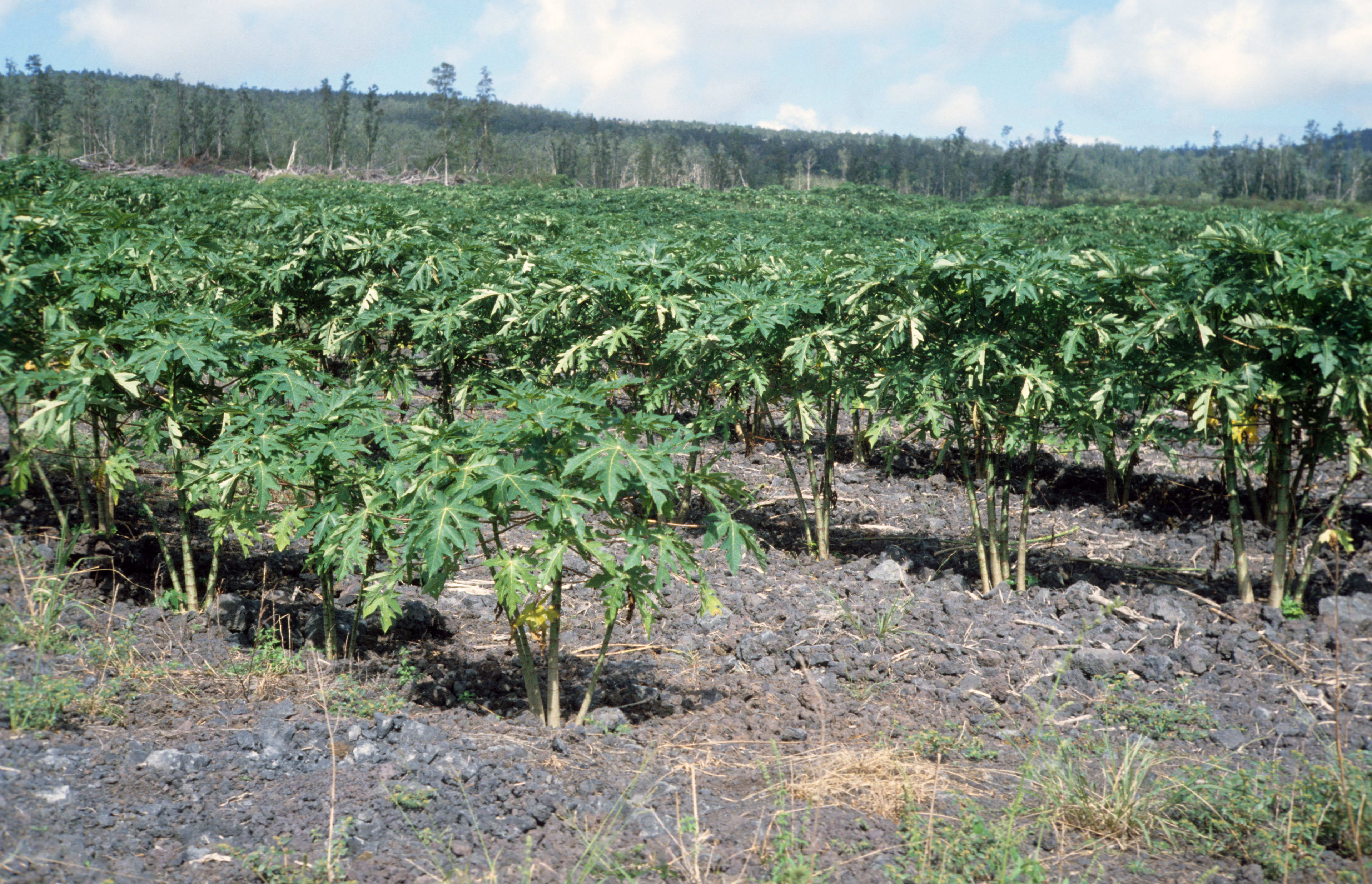
Best Economical and Productive Trees to Grow in Embu's Semi-Arid Zones
Embu County spans both the productive highlands and the harsh ASAL zones of Mbeere. Discover which trees survive the heat, thrive in sandy soils, and pay back quickly — mango, moringa, pawpaw, Mukau, and tamarind.
Read More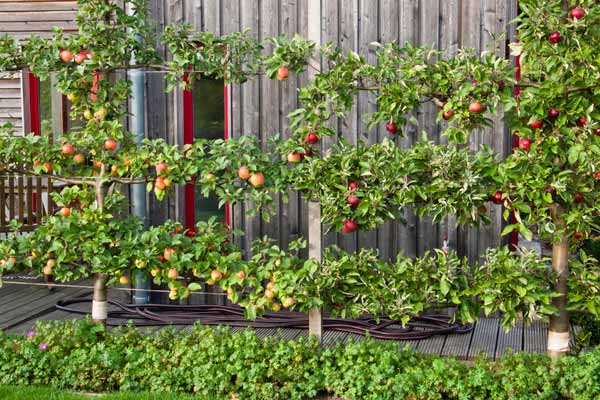
How to Grow a High-Yield Backyard Fruit Orchard in Nairobi: A Beginner's Guide
You don't need a farm to grow your own fruit. Discover how to turn unused compound space into a productive backyard orchard with grafted seedlings suited to Nairobi's soils and seasons.
Read More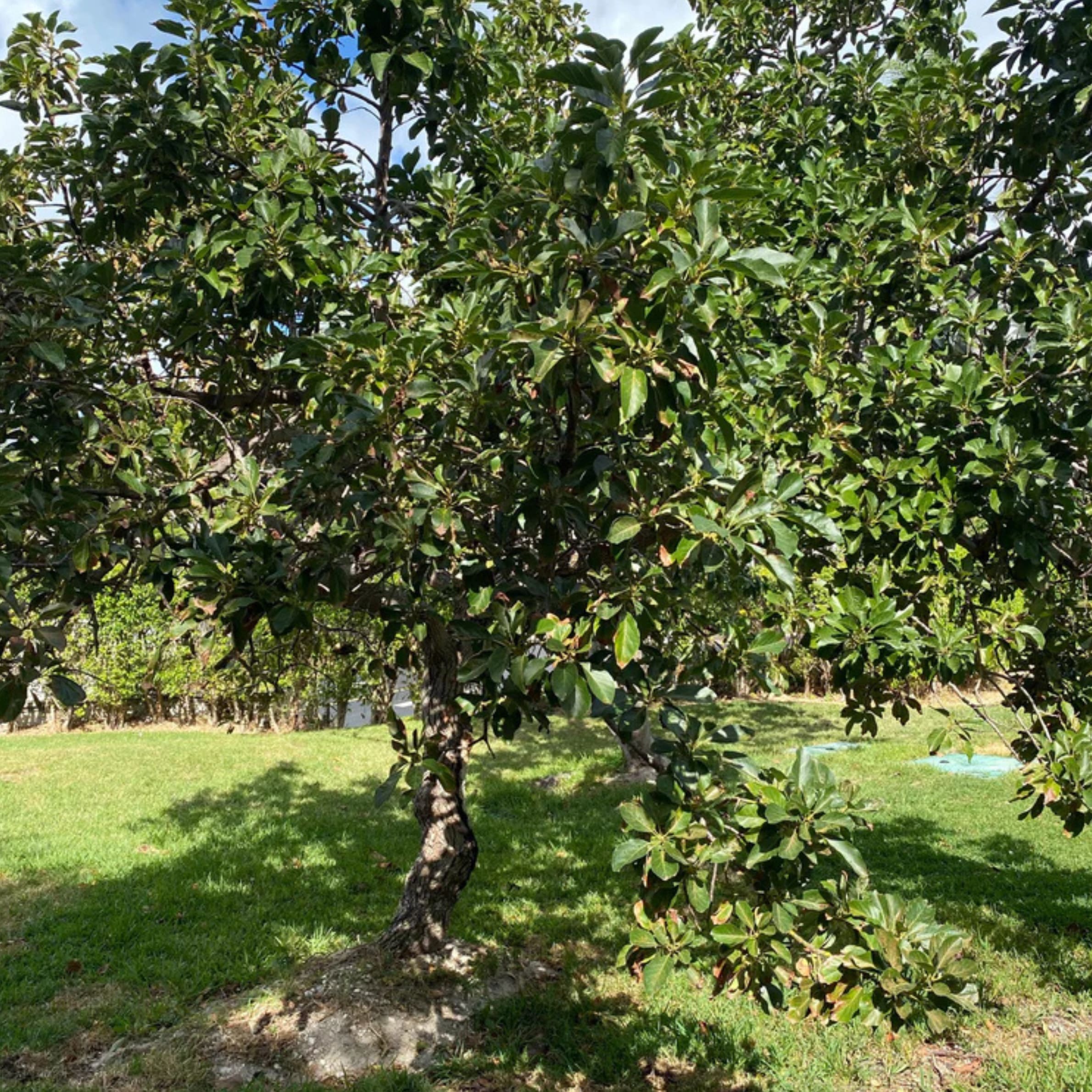
Hass Avocado Farming in Kenya: A Comprehensive Guide
As an Ivy League-trained botanist specializing in tropical horticulture, I have curated this fully Kenya-focused report on Hass avocado. This premier export variety dominates Kenya's avocado sector thanks to its thick, pebbly skin, creamy high-oil flesh, and superior shelf life.
Read More