Introduction
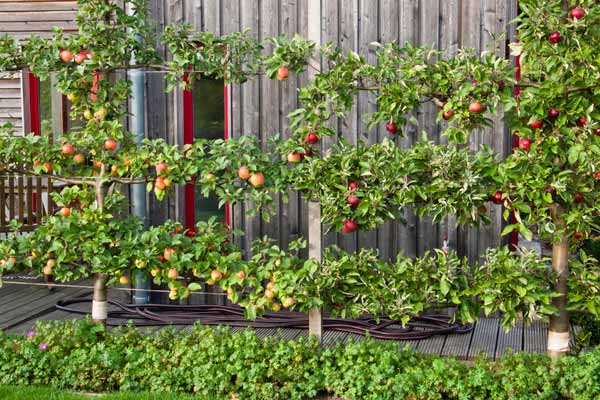
If you've ever sat in traffic on Ngong Road dreaming of a compound where you could step outside and pick a ripe avocado or a juicy orange for breakfast, you're not alone. More homeowners across Karen, Runda, Lavington, Syokimau, and Kitengela are turning unused corners of their compounds into productive backyard orchards.
You don't need a farm to do this — you need the right seedlings, a solid plan, and guidance from a tree nursery in Nairobi that understands what actually thrives in our soils and seasons. Whether you're browsing fruit trees for sale in Nairobi for the first time or trying to identify the best fruit seedlings in Kenya for your compound's space and sunlight, this guide covers everything you need to get it right from day one.
Why Grafted Seedlings Beat Growing From Seed
Walk into any roadside seedling stall and you'll be tempted by cheap, seed-grown saplings. Resist that urge. If you're serious about a productive orchard, grafted fruit trees in Nairobi are the only sensible starting point, for three reasons.
Faster Fruiting — Harvest in 2 to 3 Years, Not a Decade
A mango or avocado grown from seed can take anywhere from 5 to 8 years to bear fruit, and there's no guarantee the fruit will even taste good. A grafted seedling, on the other hand, is essentially a mature, fruit-bearing tree grown on hardy rootstock — meaning you could be harvesting your own avocados or oranges within 2 to 3 years of planting.
Manageable, Compact Size for Urban Compounds
Most Nairobi compounds, even generous ones in Karen or Runda, aren't built to accommodate a wild, seed-grown mango tree that can eventually tower over 15 metres. Grafted trees are bred to stay compact and manageable, with a spreading rather than a soaring growth habit — ideal for smaller urban plots and easier harvesting from ground level.
Disease Resistance and True-to-Type Fruit
Grafting combines a productive fruiting variety with a hardy, disease-resistant rootstock. This means stronger resistance to common local pests and root diseases, and — just as importantly — a guarantee that the fruit you eventually harvest will taste exactly like the parent variety you chose, not a random, often disappointing hybrid.
Quick Reference: Why Grafted Wins Over Seed-Grown
| Factor | Grafted Seedling | Seed-Grown Tree |
|---|---|---|
| Time to first harvest | 2–3 years | 5–8+ years |
| Fruit quality | True to parent variety | Unpredictable |
| Mature size | Compact, manageable | Often oversized |
| Disease resistance | Enhanced via rootstock | Variable |
| Space efficiency | Ideal for urban compounds | Requires large plots |
The Best Fruit Trees for Nairobi's Climate
Nairobi's altitude, moderate temperatures, and distinct dry and wet seasons make it surprisingly well-suited to a range of fruit trees. Here are four of our best performers.
Hass avocados
The undisputed king of Kenyan backyard orchards. Hass avocados thrive in Nairobi's climate and well-drained soils, producing rich, creamy fruit that commands a premium price if you ever decide to sell surplus. A single mature tree can produce hundreds of avocados a season.
Pixie Oranges
Compact, sweet, and nearly seedless, Pixie oranges are an excellent choice for smaller compounds. They're reliable producers even in cooler Nairobi microclimates like those found in Karen and Tigoni-adjacent areas, and they make a genuinely attractive ornamental tree in their own right.
Grafted Mangoes (Kent and Tommy Atkins)
These two varieties are chosen specifically for Nairobi's slightly cooler highland climate compared to the coast. Kent mangoes are famously sweet with minimal fibre, while Tommy Atkins is prized for its disease resistance and long shelf life — a practical choice if you're growing for both home consumption and gifting.
Tree Tomatoes (Tamarillo)
Often overlooked, the tamarillo is one of the fastest-fruiting options on this list, sometimes producing within 18 months. It handles Nairobi's cooler evenings exceptionally well and delivers a tangy, vitamin-rich fruit perfect for juices and stews.
Fruit Tree Comparison for Nairobi Compounds
| Tree | Time to First Harvest | Mature Height | Best Soil | Space Needed |
|---|---|---|---|---|
| Hass avocado | 2–3 years | 5–8 m | Red volcanic, well-drained | Moderate |
| Pixie Orange | 2–3 years | 3–5 m | Red volcanic, loamy | Small |
| Grafted Mango | 2–3 years | 4–6 m | Red volcanic, loamy | Moderate |
| Tree Tomato | 12–18 months | 2–4 m | Well-drained, fertile | Small |
A Step-by-Step Guide to Planting Success
Buying the right seedling is only half the job. Planting it correctly determines whether it thrives or simply survives.
Step 1: Choose a Spot With at Least 6 Hours of Direct Sunlight
Fruit trees are sun-hungry. Before you plant, observe your compound for a full day and pick a spot that gets a minimum of six hours of direct sunlight — usually somewhere away from the shadow of the main house or a perimeter wall.
Step 2: Dig a Proper 2ft x 2ft x 2ft Planting Hole
Skimping here is the most common mistake new orchard owners make. Dig a hole roughly 2 feet by 2 feet by 2 feet — this gives young roots room to establish without immediately fighting compacted soil.
Step 3: Mix Your Backfill: Topsoil and Well-Rotted Manure
Combine the topsoil you removed with generous amounts of well-rotted manure (never fresh manure, which can burn young roots). This blend feeds the tree naturally for its first year and improves drainage — critical in Nairobi's clay-heavy red soils.
Step 4: Mulch Generously to Conserve Moisture
Once planted, apply a thick layer of mulch — dry grass, straw, or wood chips — around the base of the tree, keeping it a few centimetres clear of the trunk itself. This single step makes the biggest difference in survival rates, especially during Nairobi's dry stretch between January and March, when young trees can lose moisture fast.
Step 5: Water Consistently Through the Dry Season
Even with mulch, young trees need a deep watering session two to three times a week during dry months. Once established (after about a year), most of these varieties become far more drought-tolerant.
Ready to Start Your Backyard Orchard?
A high-yield backyard orchard isn't a five-year project — with the right grafted seedlings, it's a two-to-three-year one. Green Angels Tree Nursery stocks healthy, disease-resistant Hass avocados, Pixie oranges, grafted Kent and Tommy Atkins mangoes, and tree tomato seedlings, all raised specifically for Nairobi's climate and soils.
Visit our nursery to see the full inventory in person, or get in touch with our team to place an order. We also arrange site delivery across Nairobi and its surrounding suburbs, so your new orchard can be in the ground this season — no traffic required.
📞 Contact Green Angels Tree Nursery today for expert advice and certified grafted fruit tree seedlings.
Related Topics
Related Articles
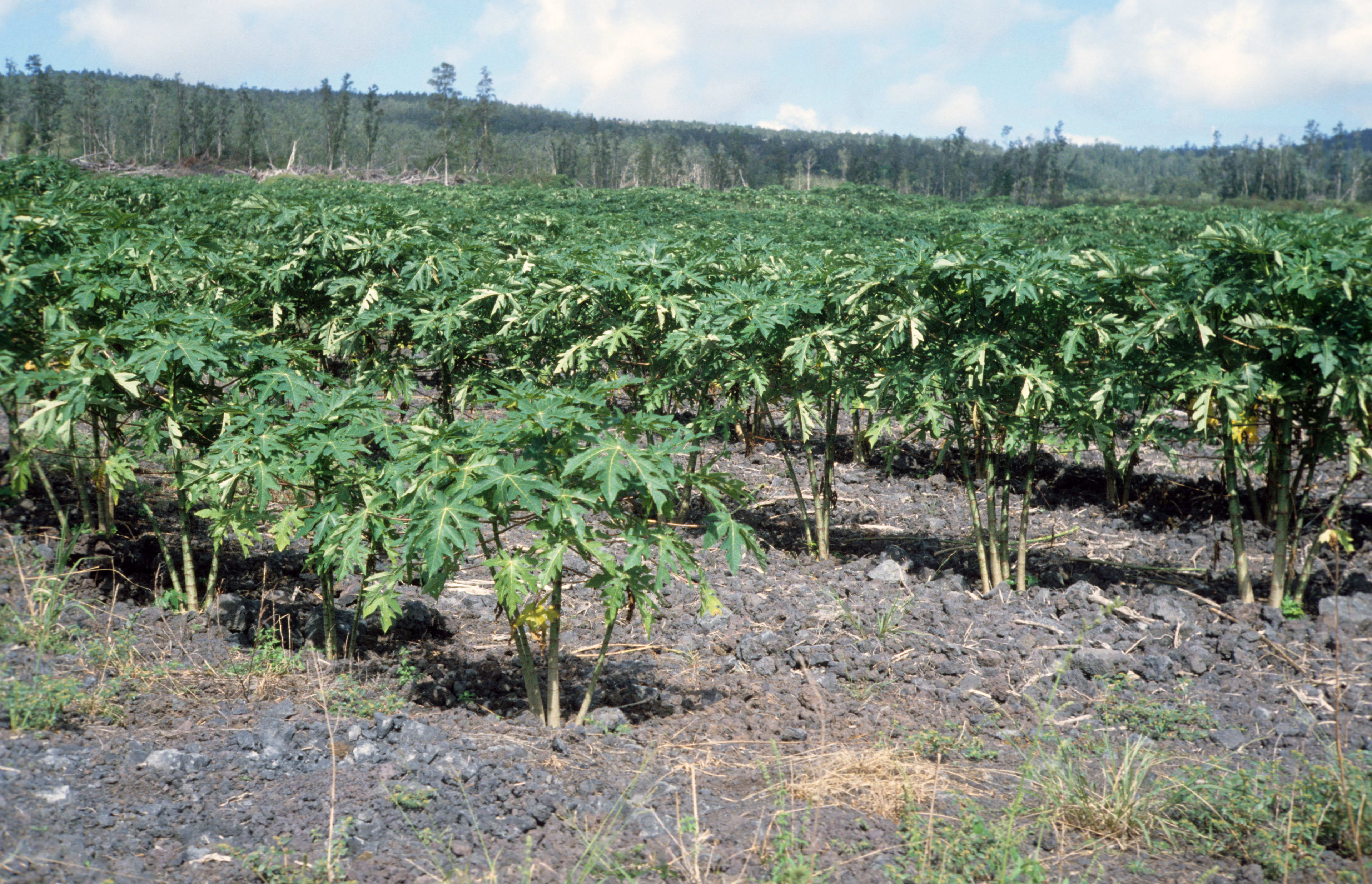
Best Economical and Productive Trees to Grow in Embu's Semi-Arid Zones
Embu County spans both the productive highlands and the harsh ASAL zones of Mbeere. Discover which trees survive the heat, thrive in sandy soils, and pay back quickly — mango, moringa, pawpaw, Mukau, and tamarind.
Read More
How to Successfully Grow Grafted Hass Avocado and Pixie Oranges in Nairobi's Climate
A practical guide for Nairobi farmers on growing high-value grafted fruit trees. Learn about microclimates, soil preparation, pest management, and the economics of Hass avocado and Pixie orange orchards near the capital.
Read More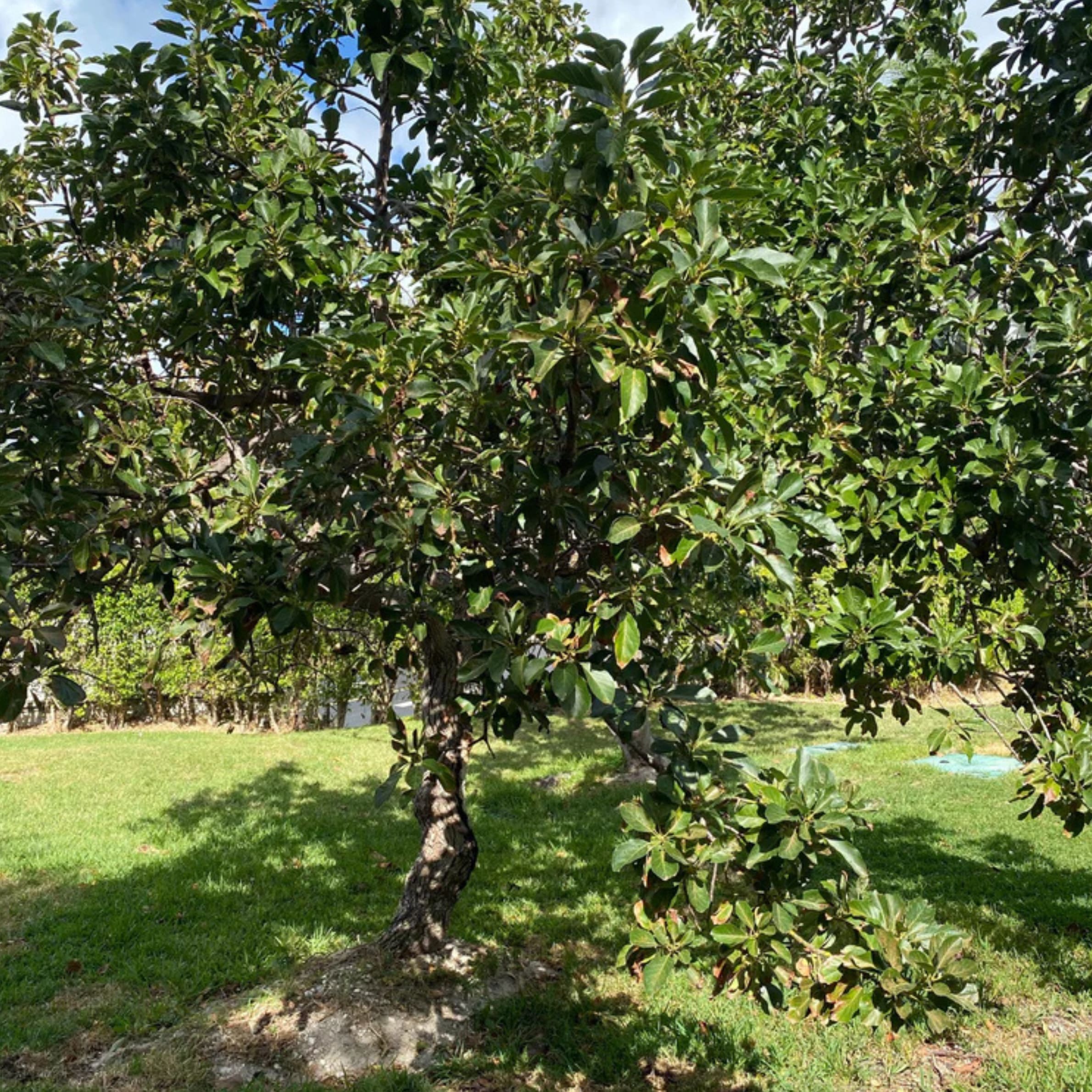
Hass Avocado Farming in Kenya: A Comprehensive Guide
As an Ivy League-trained botanist specializing in tropical horticulture, I have curated this fully Kenya-focused report on Hass avocado. This premier export variety dominates Kenya's avocado sector thanks to its thick, pebbly skin, creamy high-oil flesh, and superior shelf life.
Read More