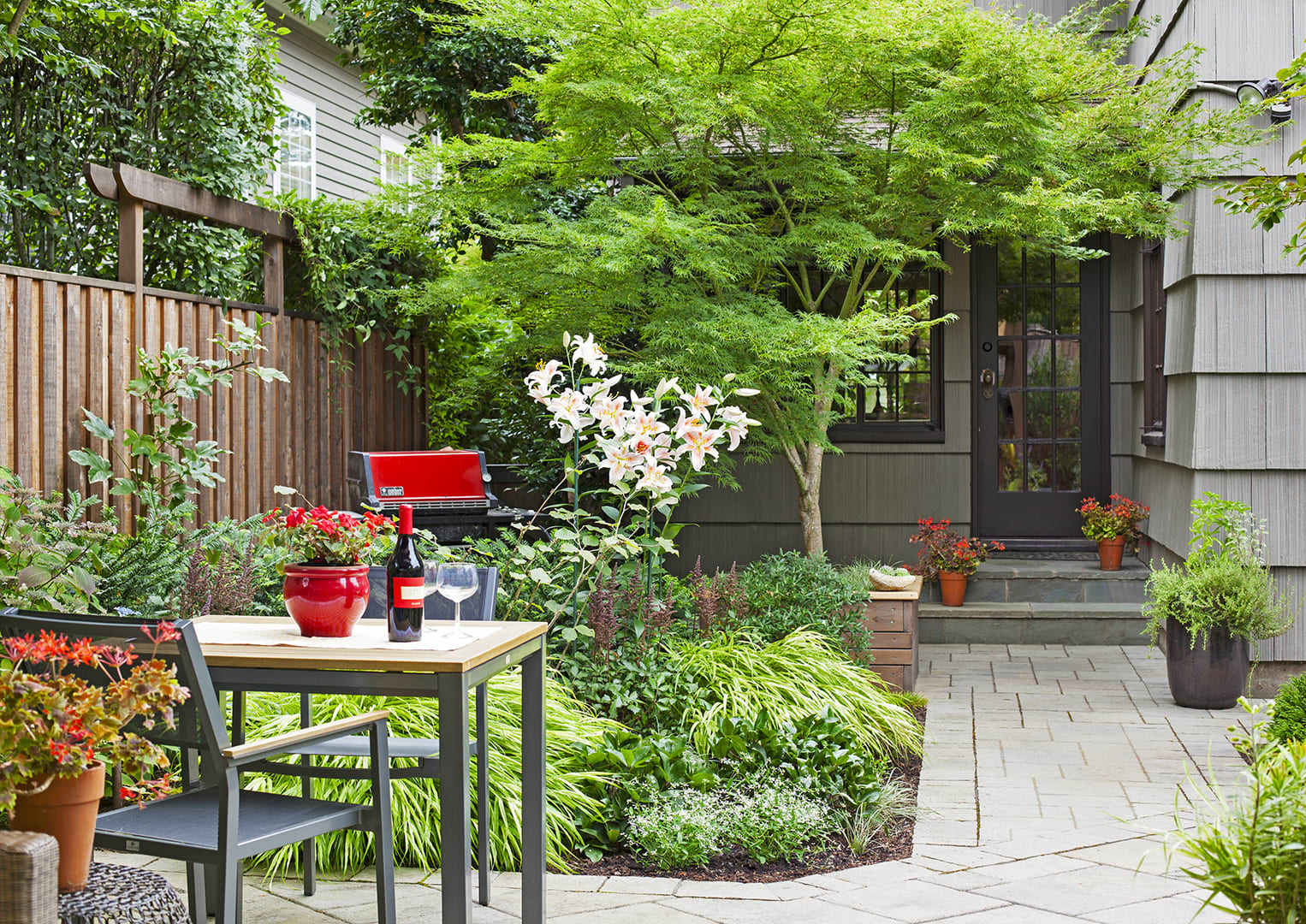
Introduction
In Nairobi's most competitive real estate markets — Westlands, Kilimani, Gigiri, Parklands, and the high-end gated estates of Karen — the difference between a unit that commands premium rent and one that sits vacant for months is often not square footage or finishes. It is the immediate visual and environmental quality of the compound. Developers and property managers who understand this are already capturing what the global real estate industry calls the "Green Premium."
International studies, increasingly mirrored in Nairobi's own letting market, consistently show that mature, well-maintained tree canopy can increase commercial and residential property values by 10–15% and reduce tenant vacancy periods significantly. In practical terms: on a Ksh 8 million commercial unit in Kilimani, that green premium represents Ksh 800,000 to Ksh 1.2 million in recoverable asset value — funded by what most developers allocate as a landscaping afterthought.
This guide is written for developers, commercial property managers, architects, and investors who want to think about trees not as decoration, but as a measurable, depreciating asset class with genuine ROI.
Section 1: The Psychology of Curb Appeal and Perceived Valuation
A prospective tenant or buyer forms an opinion of your property within the first 90 seconds of approach. Before they enter a building, they have already assessed its quality — and the quality of its surroundings is the primary input.
What Mature Trees Signal to a Prospective Tenant
A compound with mature trees communicates a specific set of messages that finishes and paintwork cannot replicate:
- Establishment and permanence — this property has been cared for over time
- Environmental quality — shade, clean air, and reduced ambient temperature
- Exclusivity — established canopy is time-gated and cannot be rapidly replicated by a competing development
In the Westlands and Upper Hill commercial corridors, where dozens of developments compete for the same corporate tenant profile, a landscaped entrance with structured tree planting consistently shortlists a property ahead of comparable offerings that lack it. The same dynamic plays out in high-end residential estates — Runda, Rosslyn Riviera, Thika Road mall-anchored developments — where tree-lined internal roads and compound canopy function as visible quality markers.
The Rental Yield Calculation
If your commercial development achieves 12% higher asking rent per square metre due to superior landscaping, and the cost of professional tree planting and establishment represents 1–2% of total development cost, the payback period is typically under 18 months from first letting. This is before accounting for reduced vacancy, lower tenant churn, and the long-term asset value appreciation of the trees themselves as they mature.
Section 2: Functional Landscaping for Commercial Plots
Beyond aesthetics, trees perform specific, quantifiable environmental functions that directly benefit commercial property operations.
Acoustic Buffering Against Nairobi Traffic Noise
Waiyaki Way, Mombasa Road, Ngong Road, and Thika Superhighway — Nairobi's major arterials — generate ambient noise levels that make street-adjacent commercial properties genuinely uncomfortable without mitigation. A dense multi-layered planting scheme (canopy trees, mid-story shrubs, and a hedge base) can reduce perceived noise by 6–10 decibels — enough to shift a property from noticeably loud to comfortably habitable.
For developments adjacent to high-traffic roads, a strategic recommendation would be:
- Outer row: Dense clumping bamboo or Podocarpus hedge as primary acoustic mass
- Mid layer: Croton megalocarpus or Markhamia lutea for additional leaf surface area
- Inner layer: Ornamental flowering shrubs that frame the internal environment and signal quality
This layered approach takes approximately 24–36 months to reach full functional density from nursery-grade stock — which is exactly why developers who start planting at construction phase, rather than at handover, arrive at completion with a mature-looking compound.
Windbreaks for Elevated Sites
Properties on exposed ridges — common in Karen, Lavington, and the Ngong Hills peripheral developments — suffer from wind damage, increased moisture loss from planted areas, and a general sense of environmental exposure that affects tenant comfort. A windbreak planted on the prevailing wind face (typically southeast to northwest in Nairobi's context) using columnar cypresses or Grevillea robusta can reduce wind speed within the compound by up to 50% at a distance of 10 times the tree height.
Natural Boundary and Security Integration
Bougainvillea, Carissa macrocarpa (Num Num), and Agave used as living boundary elements achieve dual-purpose results: they are architecturally attractive when correctly managed, and they are physically impenetrable. For commercial developments where perimeter security is a cost centre, integrating thorned living fences reduces reliance on expensive electric fencing while maintaining the compound's visual quality.
Section 3: Low-Maintenance, High-Impact Species for Commercial Spaces
Commercial property landscaping has a fundamentally different brief than residential: trees must look premium year-round with minimal intervention, tolerate occasional neglect during management transitions, and perform reliably across Nairobi's variable rainfall years.
Recommended Commercial-Grade Species
[[PRODUCT:Tipuana tipu]] The signature canopy tree for large commercial entrances and internal roads. Its spreading, umbrella-form canopy at maturity is visually dramatic, its golden-yellow flowering season creates a memorable annual moment, and it is genuinely drought-tolerant once established. Plant as avenue trees at 6–8 metre spacing along internal roads.
Grevillea robusta (Silky Oak) Fast-growing (1.5–2 metres per year), structurally attractive with its feathery foliage, and extraordinarily low-maintenance once established. Ideal for screening utility areas, forming windbreaks, or creating semi-formal avenues in mid-market commercial developments. Performs well in both red highland soils and managed black cotton contexts.
Phoenix reclinata (Wild Date Palm) For high-end commercial entrances — hotel lobbies, corporate campuses, upscale retail in Village Market, Two Rivers, or ABC Place corridors — clustered wild date palms deliver an unmistakable statement of permanence and quality. Unlike exotic palms, Phoenix reclinata is indigenous, meaning it is adapted to local pests and rainfall variability. Virtually zero maintenance once established.
Ficus benjamina (Weeping Fig) — for interior courtyards In atrium and internal courtyard applications, a well-specified Ficus benjamina under professional care creates a living architectural feature. Key caveat: root management must be designed from the outset — raised beds with root barriers are non-negotiable for this species in paved environments.
Section 4: Sourcing and Scaling with a Professional Nursery
The most common landscaping mistake in commercial development is purchasing seedlings as a cost-saving measure at the final stage of a project. The results are predictable: trees that look undersized at handover, high replacement rates in the first season due to transplant stress from sub-standard growing conditions, and a compound that looks unfinished precisely when it is being marketed most aggressively.
Why Nursery Quality Determines Long-Term Outcome
A high-quality nursery produces trees in correctly sized containers, using appropriate growing media, hardened off progressively so they transplant without severe shock. A seedling from an informal roadside vendor has typically been grown in pure topsoil, in a plastic bag, with no root training — the result is a plant that requires 12–18 months just to recover from the move, and may never achieve its growth potential.
At Green Angels Tree Nursery, we supply nursery-grade stock from 5-litre containers through to established 100-litre specimen trees for immediate-impact applications. For commercial projects requiring 50 trees or more, we offer bulk pricing structures, staged delivery aligned to construction phase schedules, and on-site consultation to ensure species selections are matched to specific microclimates and soil profiles on your development.
Planning Your Landscaping Timeline
For best results on a commercial development:
- At foundation stage: Commission the landscaping design and place bulk orders with your nursery
- At slab completion: Begin establishment planting in perimeter zones where construction traffic has cleared
- At handover: Final ornamental and entrance planting using advanced (larger) stock for immediate visual impact
This phased approach ensures that perimeter trees have 12–18 months of establishment by the time the property goes to market — the difference between a compound that photographs as mature and one that photographs as newly planted.
Partner with Nairobi's Commercial Landscaping Specialists
Green Angels Tree Nursery is the trusted wholesale and commercial tree supply partner for landscaping contractors, real estate developers, hospitality groups, and institutional clients across Kenya. Our team works directly with architects, landscape designers, and project managers to ensure the right species, the right sizes, and the right quantities arrive on site at the right time.
We supply to projects across Nairobi, Nakuru, Kiambu, and Laikipia counties, and can coordinate logistics for large-scale orders from our Nyahururu base.
If you are at design stage, pre-construction, or sourcing trees for an existing commercial compound that needs upgrading — contact our commercial team today for a bulk order quote and site consultation.
📞 Reach out to Green Angels Tree Nursery to discuss your project scope, budget, and timeline. We bring horticultural expertise, reliable supply, and a track record of delivering quality stock to Kenya's most demanding commercial landscaping projects.
Related Topics
Related Articles
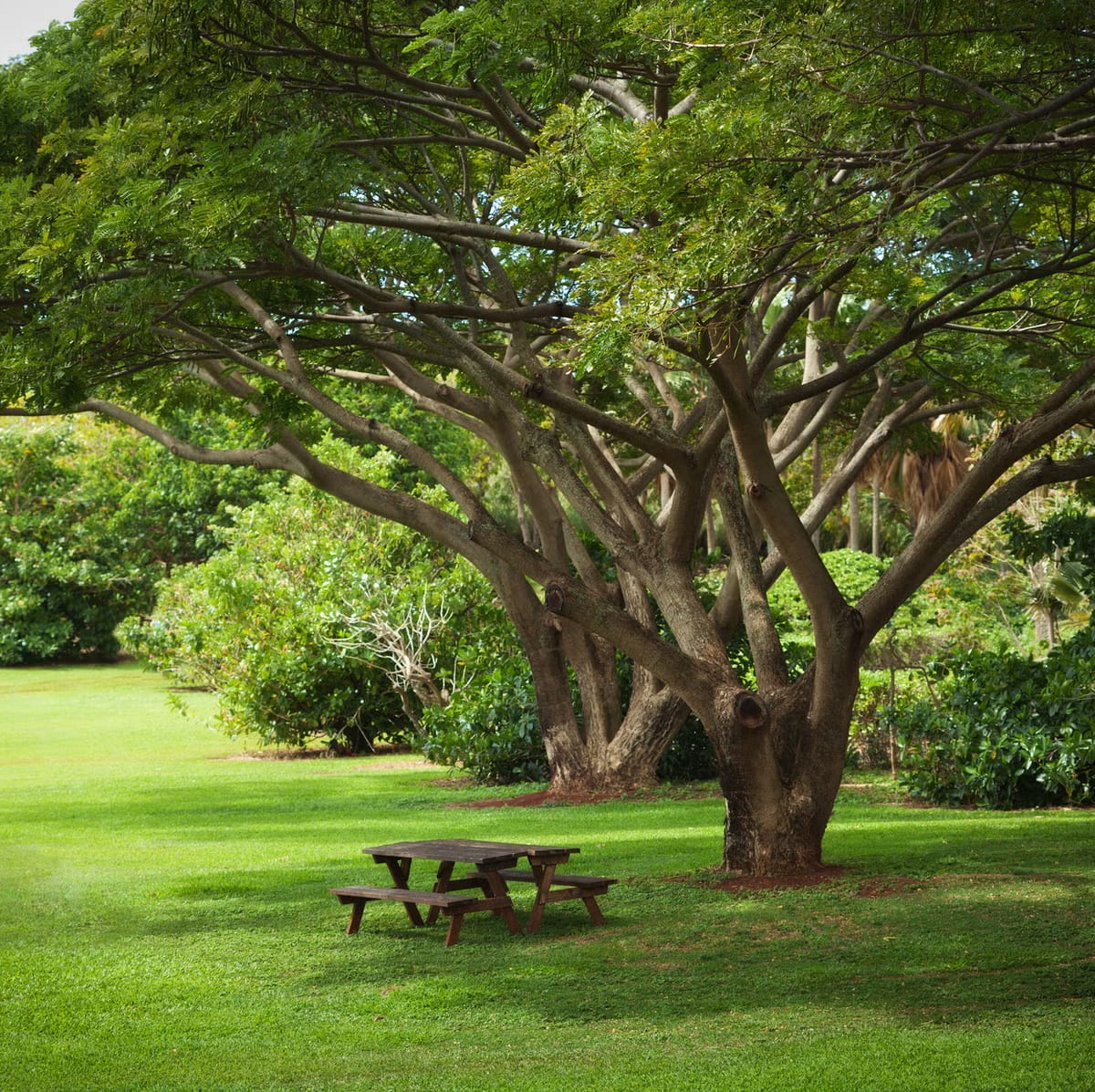
Top 5 Best Shade and Ornamental Trees for Nairobi Compounds
Nothing ruins a beautiful compound faster than a tree with destructive roots. Discover the five best shade and ornamental trees for Nairobi compounds that provide beauty, shade, and privacy without threatening your hardscaping.
Read More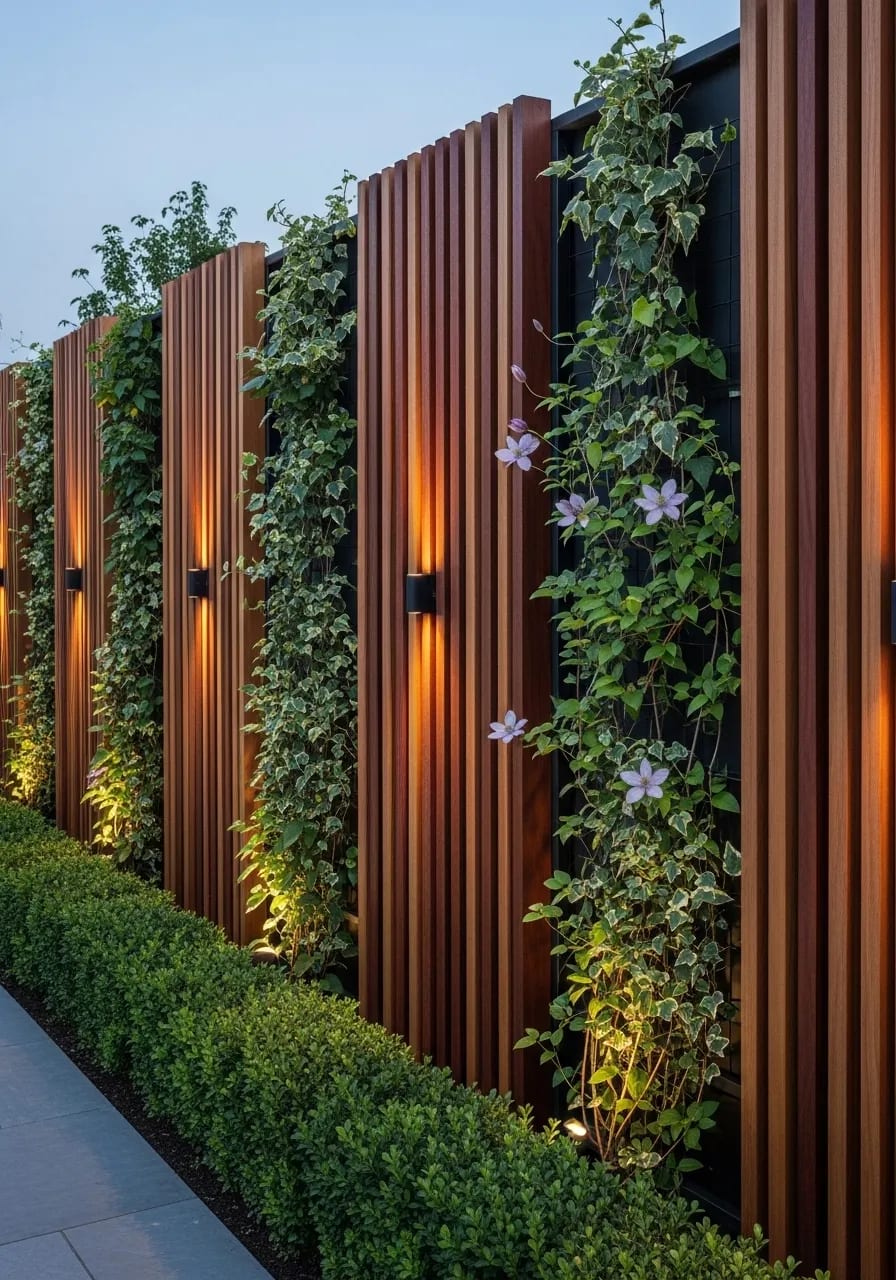
The Best Live Fence Plants for Nairobi Properties: Security, Privacy, and Growth Rates
A perimeter wall in Nairobi costs KES 3,000-6,000 per metre. A live fence costs a fraction of that while providing security, privacy, and year-round protection. Discover the three most effective species for Nairobi's climate.
Read More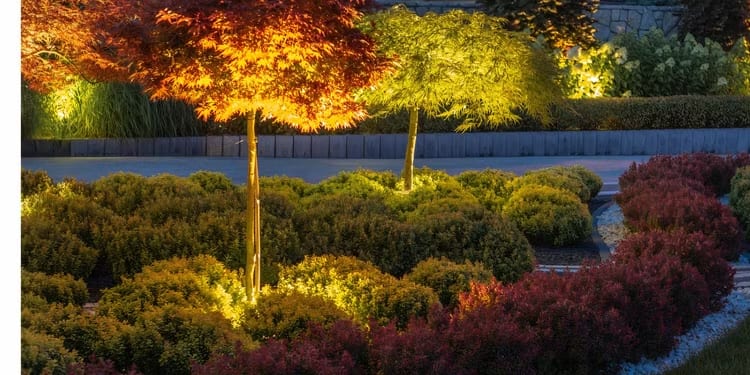
The Ultimate Nairobi Landscaping Guide: Best Trees to Plant for Privacy, Shade, and Fast Growth
Your Nairobi plot becomes a living asset with the right trees. This guide covers soil types, micro-climates, and the best species for privacy screens, shade canopy, and fast establishment across Karen, Ruaka, and beyond.
Read More