Introduction
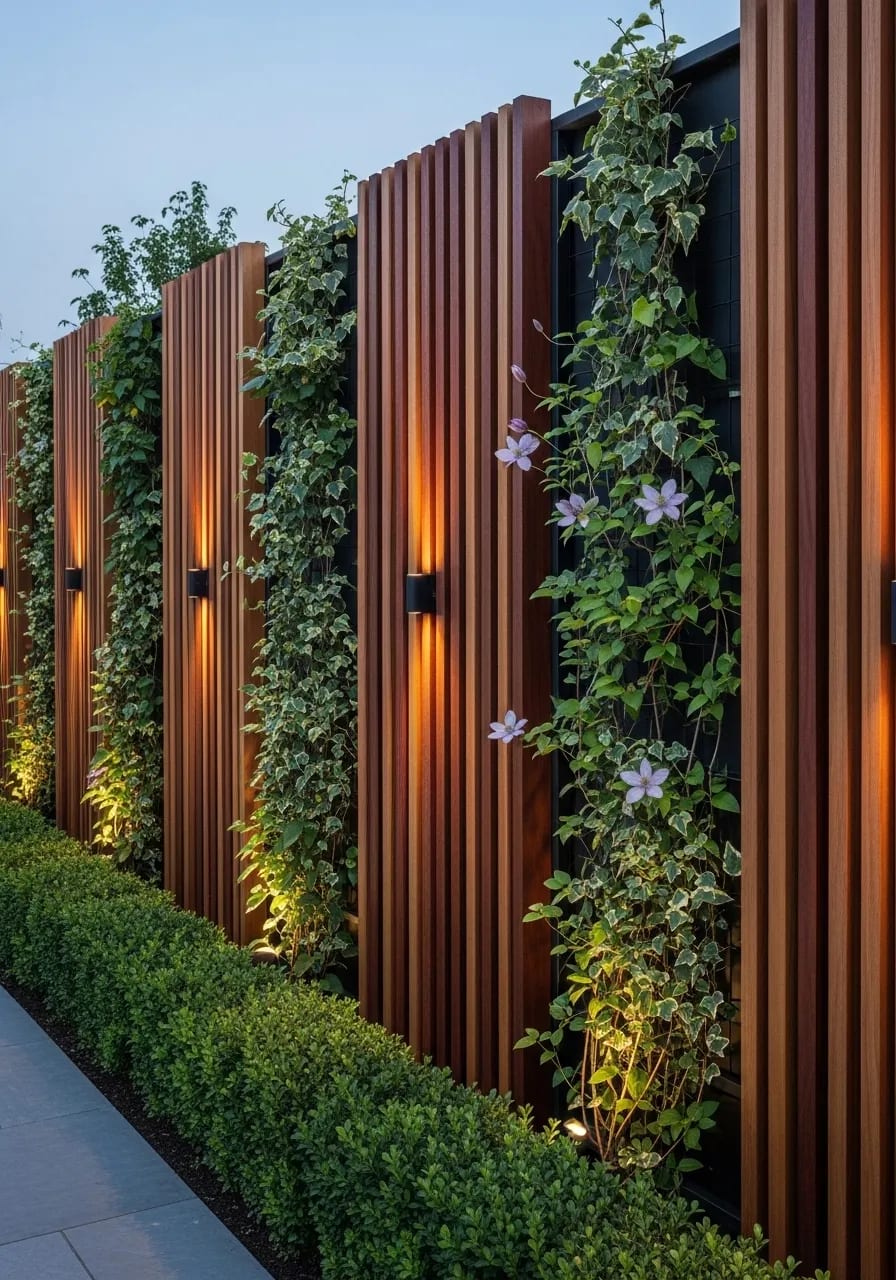
A perimeter wall in Nairobi costs anywhere from KES 3,000 to KES 6,000 per metre once you factor in labour, blocks, and capping. A live fence, properly planted and managed, costs a fraction of that — and it does things concrete never will. It grows, thickens, adapts, and with the right species, becomes a barrier that no human being wants to test twice.
But "live fence" is not a single category. The species you choose determines whether you get a thorned security perimeter, a manicured garden edge, or a ten-metre privacy screen. Getting that selection wrong means spending three years managing a plant that was never designed for what you need it to do.
This article breaks down the three most effective live fence species for Nairobi and its surrounding peri-urban areas — and gives you the specific planting, spacing, and management information you actually need to get it right.
First: Define What You Actually Need From Your Fence
Before you order a single seedling, answer three questions:
- Is security the primary goal? You need thorned, impenetrable species that cause physical deterrence.
- Is aesthetics and curb appeal the primary goal? You need clean, manageable, flowering species that project a well-kept property.
- Is privacy or wind protection the primary goal? You need tall, dense, fast-growing evergreens that screen sightlines and block Nairobi's infamous dust and wind.
Most properties need a combination — and a good nursery like Green Angels Tree Nursery will advise you to use species in sequence. A Kei apple security outer boundary with a Duranta inner aesthetic layer, for instance, is a common and highly effective pairing for large compounds in Karen and Runda.
Kei Apple (Dovyalis caffra) — The Nairobi Security Standard
Known locally as Kayaba, Kei apple is the gold standard for impenetrable live fencing in East Africa — and it earns that title through sheer biology. Its branches are loaded with hardened spines reaching 4–6cm long. A mature, well-trimmed Kei apple hedge is physically impassable to a human being. More importantly, it stays that way year-round with minimal intervention.
Why Kei Apple Works in Nairobi's Climate
Kei apple is indigenous to southern Africa and has naturalised across Kenya's drier zones with exceptional performance. It is extremely drought-tolerant once established — a critical characteristic given Nairobi's brutal January-to-March dry spell. During these months, many ornamental hedge species drop foliage and thin out, creating gaps in your perimeter. Kei apple does not.
It performs reliably from Kitengela and Athi River (where it handles black cotton soils and high heat) up through the cooler altitudes of Kiambu and Limuru. Very few hedging species operate across that range without compromise.
Planting and Spacing for a Kei Apple Fence
- Spacing: 40–50cm centre-to-centre for a solid security hedge. Closer spacing (30cm) accelerates canopy closure if your priority is speed.
- Double row staggering: For maximum impermeability, plant two offset rows at 40cm spacing with 50cm between the rows. The lateral branching of each plant interlocks with the row behind it, creating a 60–80cm deep barrier that is both visually dense and physically unyielding.
- First-year management: Water weekly during establishment — two to three months of consistent moisture is what separates a thriving Kei apple hedge from a patchy, struggling one. After establishment, it largely fends for itself.
- Trimming: Twice per year is sufficient for security purposes. Trim immediately after the long rains (June/July) and again after the short rains (December). Use heavy gloves — the thorns are serious. Trimming encourages dense lateral branching at the base, which is where you need the most coverage.
One practical note: Kei apple is slow to start from seed. Sourcing established seedlings from a verified nursery like Green Angels Tree Nursery is the only sensible option unless you have two years to spare watching a seedbed.
Duranta (Duranta erecta) — The Aesthetic Perimeter Workhorse
Duranta is not a security fence. Let that be clear from the start. What it is, however, is the most widely used and arguably most effective aesthetic perimeter plant in Nairobi's residential landscaping — and in the right context, it is genuinely excellent.
It produces cascading clusters of violet-blue flowers followed by golden-yellow berries throughout the growing season. A well-maintained Duranta hedge on a property frontage on Peponi Road or Muthaiga Road signals exactly the kind of property care that buyers and visitors notice immediately.
Duranta's Practical Profile
- Growth rate: Fast — under Nairobi conditions with good establishment moisture, Duranta puts on 60–100cm of new growth per season.
- Mature height: 2–4 metres, depending on trimming frequency. Left untrimmed, it becomes a large, somewhat unruly shrub. Maintained well, it forms a clean, dense, flowering wall.
- Soil tolerance: Adaptable across Nairobi's soil types, though it performs noticeably better in the well-drained red volcanic soils of Kiambu and upper Nairobi than in the waterlogging-prone black cotton areas around Athi River.
Planting and Spacing for Duranta
- Spacing: 30–40cm for a dense flowering hedge. Closer planting at 25cm produces a wall-like effect within 18–24 months.
- Trimming frequency: This is where most Duranta hedges fail. It needs trimming every 6–8 weeks during the growing season (April through November) to maintain shape and prevent legginess. A Duranta hedge that is neglected for four months becomes a straggly, open structure that takes another season to recover density. Budget for this maintenance before you plant.
- Bottom growth: When trimming, always cut the top and sides but leave the lower branches for 6–8 months during initial establishment. Premature top-trimming causes energy to push upward rather than lateral — exactly the opposite of what you want in a hedge.
Duranta is one of Green Angels Tree Nursery's most consistently requested hedging species from residential clients across Karen, Lavington, and Gigiri — areas where frontage aesthetics carry genuine property value weight.
View Green Duranta Seedlings | View Yellow Duranta Seedlings
Cypress and Thuja — When Privacy and Height Are the Priority
If your objective is a tall privacy screen or windbreak rather than a low-level perimeter, Italian Cypress (Cupressus sempervirens), Lusitanian Cypress (Cupressus lusitanica), or Thuja are the category leaders.
These are the plants you see lining large compounds in Runda, standing in dense rows behind boundary walls in Gigiri, or forming the windbreak lines on larger rural-interface properties in Kiambu and Thika Road environs.
Cypress vs. Thuja: Choosing Between Them
| Characteristic | Cypress (Italian/Lusitanian) | Thuja |
|---|---|---|
| Growth rate | Fast (1.0–1.5m/year at altitude) | Moderate (50–80cm/year) |
| Mature height | 8–15m | 4–8m |
| Canopy density | Good but allows filtered light | Very dense, near-total light block |
| Form | Narrow columnar (Italian) or open cone | Compact, layered |
| Durability in wind | Excellent | Excellent |
| Best use case | Tall windbreaks, screen rows | Dense lower privacy hedging |
Lusitanian Cypress performs exceptionally well across the cooler altitude zones above 1,500m — Limuru, Kiambu, Tigoni. It grows faster here than in the lower, hotter zones and holds its deep green colour year-round. In Kitengela or Athi River, growth rates slow considerably and the trees become more drought-stressed without supplemental irrigation.
Planting and Spacing for Cypress and Thuja
- Privacy screen: 1.0–1.2m spacing produces a closed canopy within 3–4 years for Cypress; 2–3 years for Thuja.
- Windbreak rows: Space at 1.5–2.0m in a double-staggered row configuration. The stagger is critical — a single straight row leaves channels where wind continues to funnel through.
- Establishment water: Both species are shallow-rooted in their first year and need consistent moisture — weekly for the first 3 months, then every two weeks through the first dry season. Stress in year one permanently affects canopy density.
- Trimming: Cypress requires minimal trimming — a single annual light-touch in July keeps a columnar form tidy. Thuja benefits from light trimming twice per year to maintain compact density in the lower third.
A key risk with Cypress in very humid, overcrowded planting conditions is Cypress canker (Seiridium cardinale) — a fungal infection that causes branch dieback. Maintain proper spacing and do not plant into poorly drained positions.
View Cypress Seedlings | View All Cypress Varieties
Getting Your Planting Lines Right: The Practical Setup
Poor line execution ruins otherwise good hedging. Here is the field method that works:
- String your boundary line first using pegs and builder's string. Do not plant by eye — even a 5-degree drift over 30 metres produces a visibly crooked hedge within two seasons.
- Mark each planting position with a stick before you dig. For double-row staggered configurations, offset the second row by half the in-row spacing.
- Dig your holes before the rains start if you are planting at the onset of the long rains in April. Pre-dug holes with basal fertiliser added will give each seedling an immediate nutritional advantage from day one.
- Firm the soil properly around each stem and water in immediately, regardless of whether rain is forecast. That first watering is about root-to-soil contact, not irrigation.
Managing Nairobi's Dusty Seasons and Trimming Schedules
January, February, and March in Nairobi bring dry winds and fine red dust that accumulate heavily on leaf surfaces. This is not cosmetic — dust build-up blocks stomatal respiration and, on species like Duranta, visibly dulls the foliage and reduces photosynthesis efficiency heading into the dry season.
A simple early-morning water spray across the hedge canopy once every two to three weeks during the dry months keeps leaf surfaces clear without wasting water. This single practice makes a measurable difference in how vigorously your hedge comes out of the dry season and into the April rains.
General trimming calendar for Nairobi:
- Kei apple: July and December
- Duranta: Every 6–8 weeks, April through November; light maintenance December through March
- Cypress/Thuja: July (primary); optional light trim in January for shape maintenance
Calculate Exactly How Many Seedlings Your Perimeter Needs
This is where most people get stuck — and where getting it wrong means either running short mid-planting or ordering a costly surplus.
The formula is straightforward: divide your total perimeter length (in metres) by your chosen planting spacing (in metres) to get the seedling count per row. For a double-staggered row, multiply by two.
Example: A 100-metre perimeter boundary planted with Kei apple at 40cm spacing in a double-staggered row requires:
(100 ÷ 0.4) × 2 = 500 seedlings
Perimeters are rarely perfectly rectangular, corners add plant positions, and sloped ground changes effective spacing. Getting an accurate count without surveying the land properly leaves room for error.
Green Angels Tree Nursery offers a direct perimeter calculation service. Share your plot dimensions — or send a screenshot of your Google Maps boundary — and they will give you an exact seedling count by species, plus bulk pricing for your full order.
Contact Green Angels Tree Nursery for Your Live Fence Seedlings
Whether you are fencing a residential plot in Karen, a commercial property in Ruiru, or a large compound in Kiambu, sourcing your hedging seedlings from a verified nursery determines whether your fence is thriving in 18 months or being replaced.
Green Angels Tree Nursery supplies:
- ✅ Kei apple (Kayaba) hedging seedlings — hardened, field-ready
- ✅ Duranta — flowering aesthetic varieties
- ✅ Italian Cypress and Thuja — privacy screening varieties
- ✅ Perimeter calculation and bulk pricing on request
- ✅ Delivery within Nairobi, Kiambu, Thika, Ruiru, Syokimau, Kitengela, and Machakos
Contact Us for expert advice and bulk ordering.
Related Topics
Related Articles
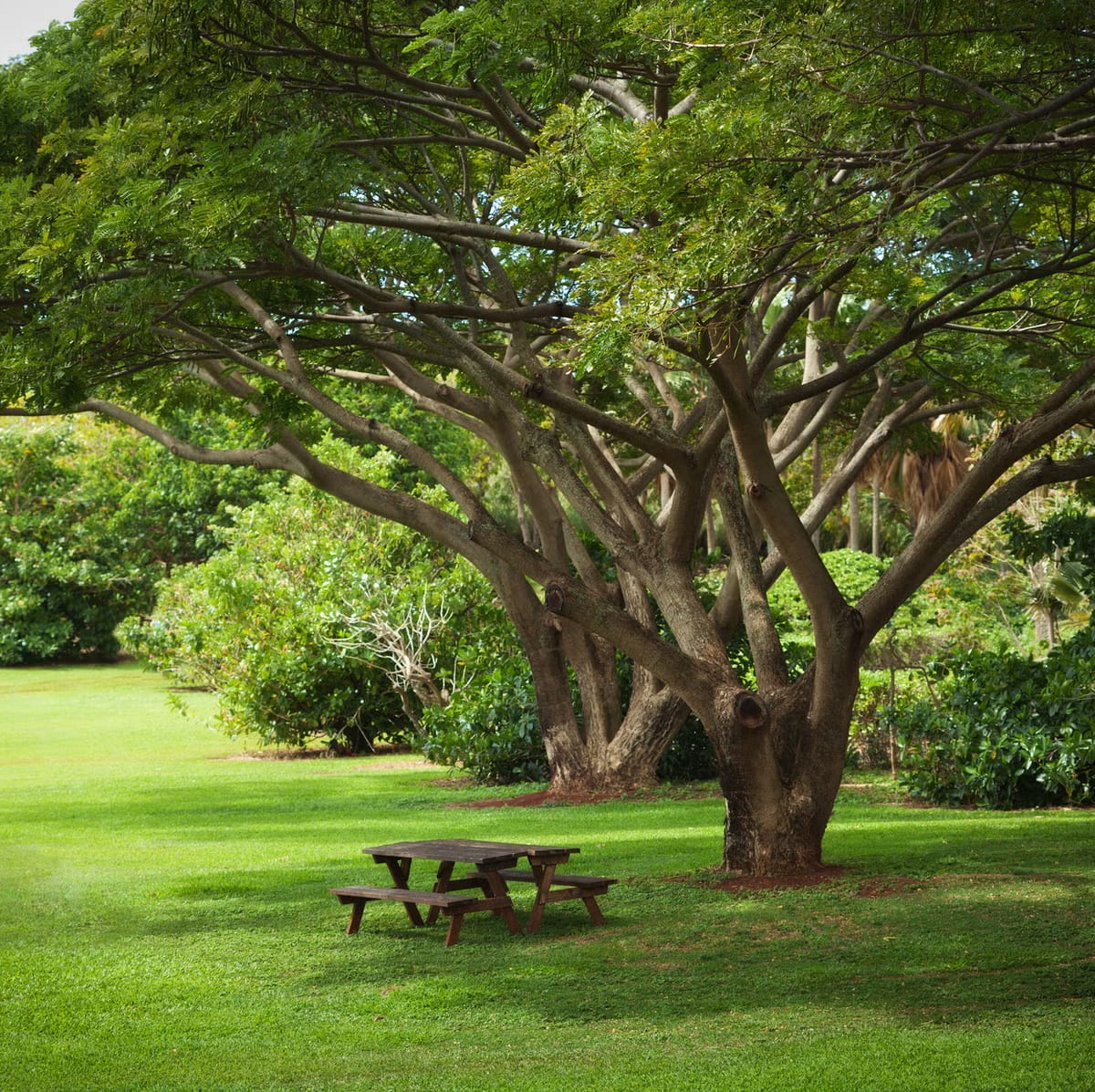
Top 5 Best Shade and Ornamental Trees for Nairobi Compounds
Nothing ruins a beautiful compound faster than a tree with destructive roots. Discover the five best shade and ornamental trees for Nairobi compounds that provide beauty, shade, and privacy without threatening your hardscaping.
Read More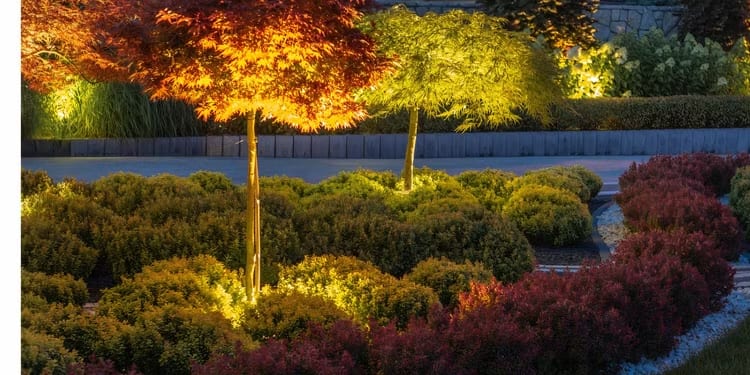
The Ultimate Nairobi Landscaping Guide: Best Trees to Plant for Privacy, Shade, and Fast Growth
Your Nairobi plot becomes a living asset with the right trees. This guide covers soil types, micro-climates, and the best species for privacy screens, shade canopy, and fast establishment across Karen, Ruaka, and beyond.
Read More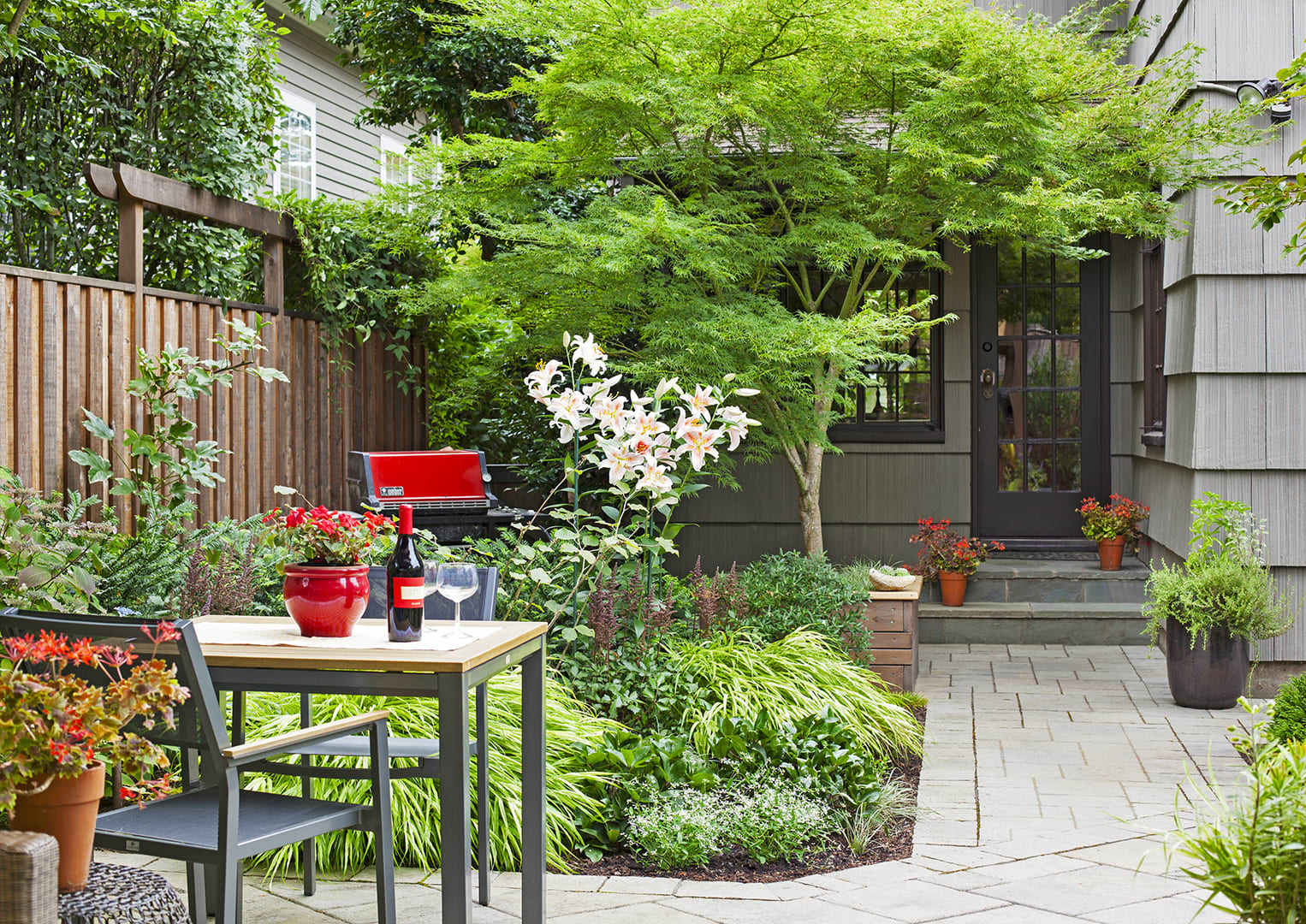
How Strategic Tree Planting Enhances Property Value in Nairobi's Real Estate Market
In Nairobi's competitive real estate markets, mature tree canopy can increase property values by 10–15%. Discover how developers and property managers can leverage trees as a measurable asset class with genuine ROI.
Read More