Introduction
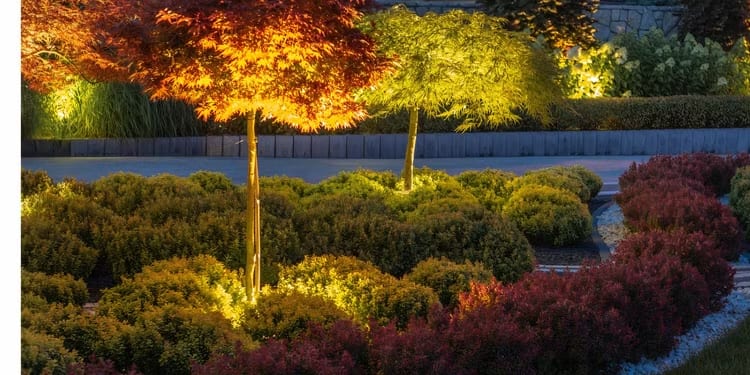
Your Nairobi plot is more than a piece of land. In the right hands — and with the right trees — it becomes a living asset: a private sanctuary that screens out neighbours, tames the afternoon sun, muffles road noise, and quietly appreciates in value every growing season. Whether you own a quarter-acre in Karen or a compact 50 × 100 in Ruaka, strategic tree planting is the single highest-impact investment you can make in your outdoor environment.
But Nairobi's diversity is both its charm and its challenge. The city spans five distinct agro-ecological zones. Its soils range from deeply fertile highland loam to almost impermeable black cotton. Its rainfall patterns differ by mere kilometres. Getting the tree selection wrong doesn't just look bad — it costs you years of wasted effort.
Section 1: Demystifying Nairobi's Soils and Micro-Climates
Before you buy a single seedling, you need to understand what lies beneath your feet.
The Red Soils of the Highlands
The iconic red-brown soils found across Karen, Langata, Limuru, Runda, and Muthaiga are derived from volcanic parent material — well-drained, slightly acidic (pH 5.5–6.5), and rich in iron oxides. These soils are forgiving. They retain moisture long enough for trees to establish but drain well enough to prevent waterlogging. Almost any species discussed in this guide will thrive here with minimal amendment.
Black Cotton Soil: The Great Equaliser
Move toward Eastlands, Syokimau, Athi River, Kitengela, and parts of Embakasi, and you encounter black cotton soil (Vertisol). This expansive clay swells when wet, cracks dramatically when dry, and drains poorly. It's hostile to shallow-rooted species and will heave or suffocate trees that aren't selected carefully. For these areas, prioritise deep-rooted, drought-tolerant species, raise planting holes with sharp sand and compost to improve drainage, and avoid broad-canopy trees near structures — the soil movement alone can stress shallow foundations.
Altitude and Rainfall
Greater Nairobi sits at roughly 1,650–1,800 metres above sea level, giving it a temperate tropical climate that most exotic species actually love. The long rains (March–May) and short rains (October–December) are your establishment windows. Plant in the last two weeks of the dry season preceding each rain period, so trees can hit the ground running the moment moisture arrives.
Section 2: Best Trees for Privacy and Living Fences
A well-planted living boundary is more effective than any wall — it absorbs wind rather than deflecting it, provides year-round visual screening, and dramatically increases perceived security and seclusion.
Podocarpus latifolius (Broad-leaved Yellowwood)
The gold standard for Nairobi privacy screens. This indigenous East African conifer is slow-starting but utterly reliable. Once established (typically 18–24 months), it puts on 60–90 cm annually and forms a dense, dark-green column that blocks sightlines completely. Plant at 2–2.5 metre spacing for a continuous screen. Performs exceptionally well in Karen, Lavington, and Gigiri. Resistant to wind throw — a significant consideration in exposed ridge properties.
Italian Cypress (Cupressus sempervirens)
The classic columnar cypress is ideally suited to Nairobi's highland climate. It grows 1–1.5 metres per year in well-drained soils, demands almost no maintenance, and delivers an architectural elegance that suits both formal compound designs in Westlands and naturalistic boundaries in Rosslyn or Runda. Space at 1.5–2 metres for a solid screen within three growing seasons.
Bamboo (Phyllostachys and Dendrocalamus varieties)
For homeowners who need a fast solution — think 3–4 metres of screening within 18 months — clumping bamboo varieties are unmatched. Unlike running bamboos that can become invasive, clumping varieties such as Dendrocalamus asper (Giant Bamboo) expand in a controlled circular mass. Ideal for narrow boundary strips where a hedge would take too long. Grows in both highland red soils and moderately managed black cotton.
Bougainvillea as a Thorned Deterrent Hedge
Often underestimated as a security tool, a well-managed Bougainvillea hedge planted at 50 cm spacing and trained onto a chain-link base becomes impenetrable within two seasons. The thorned stems deter intruders far more effectively than a smooth wall, and the spectacle of flowering — particularly in Kilimani and Lavington compounds — is unmatched.
Section 3: Best Trees for Shade and Canopy
A mature shade tree is the single most valuable feature of any residential plot in Nairobi's sun-drenched afternoons. Choose well and you reduce indoor temperatures, create usable outdoor living space, and anchor the entire aesthetic of your garden.
Croton megalocarpus (Musine / Croton)
Nairobi's workhorse shade tree. Indigenous, fast-growing (1–2 metres per year under good conditions), and architecturally beautiful with its broad horizontal branching. The Musine does not have an aggressive root system — making it far safer near buildings than many exotics — and its nitrogen-fixing properties improve the soil around it. Thrives in red highland soils across Karen, Muthaiga, and Loresho.
Markhamia lutea (Nile Tulip)
A stunning indigenous flowering tree that provides dappled shade without the aggressive root systems that threaten plumbing and paving. Yellow trumpet flowers appear twice yearly, making it as ornamental as it is functional. Grows rapidly on well-drained soils and is increasingly popular in structured garden designs across Gigiri and Kyuna.
Tipuana tipu (Rosewood / Pride of Bolivia)
Where clients want a signature tree that commands attention — a large, spreading canopy with golden-yellow flowers and a natural umbrella form — Tipuana tipu delivers. It requires space (at least 6–8 metres from structures) but rewards patience with one of the most dramatic canopies in Nairobi landscaping. Common in large Runda and Karen compounds.
What to Avoid Near Structures
Ficus species, while beautiful, produce surface roots that crack pavements, invade drainage lines, and destabilise perimeter walls. Similarly, the Jacaranda — beloved as a street tree — is not well-suited as a foundation-adjacent residential tree due to surface root aggression. Reserve these for open parkland applications.
Section 4: Maintenance and Establishment Secrets
Even the best species will underperform without a solid establishment protocol in the first 18 months.
Watering
During the dry season, newly planted trees (under 1.5 metres) require 20–30 litres, two to three times per week. Reduce to once a week once the rainy season arrives. Deep, infrequent watering is always better than shallow daily watering — it trains roots downward rather than toward the surface.
Mulching
Apply a 10–15 cm ring of organic mulch (dried grass, wood chips, or shredded bark) around the base of each tree, keeping it 5 cm clear of the stem. In Nairobi's drier months, this single practice can halve your watering requirements by suppressing evaporation and moderating soil temperature.
Staking
For trees above 1 metre at planting, use two stakes at 45 degrees with a flexible tie. Critically — remove stakes after 12 months. Trees that remain staked beyond this period fail to develop the trunk taper and root anchorage they need to stand independently.
Soil Amendment
On black cotton soil, dig a planting hole at least twice the width of the root ball, backfill with 30% sharp sand and 30% compost mixed with the native soil. This creates a transitional zone that allows the root system to establish before encountering the full compaction of the native clay.
Your Next Step
Every plot in Nairobi is different — the soils, the exposure, the privacy requirements, the vision. At Green Angels Tree Nursery, we don't believe in one-size-fits-all solutions. Our team offers site consultations and personalised species recommendations tailored to your specific plot, soil type, and goals.
Whether you're establishing a new compound from scratch or reworking a mature garden in Lavington or Syokimau, we can source, deliver, and guide you through the best trees for your situation.
📞 Contact Green Angels Tree Nursery today for a consultation, or visit us in Nyahururu to walk through our nursery stock and speak directly with our horticultural team. The best time to plant a tree was twenty years ago. The second-best time is now — and we'll help you do it right.
→ See: How Strategic Tree Planting Enhances Property Value in Nairobi's Real Estate Market
Related Topics
Related Articles
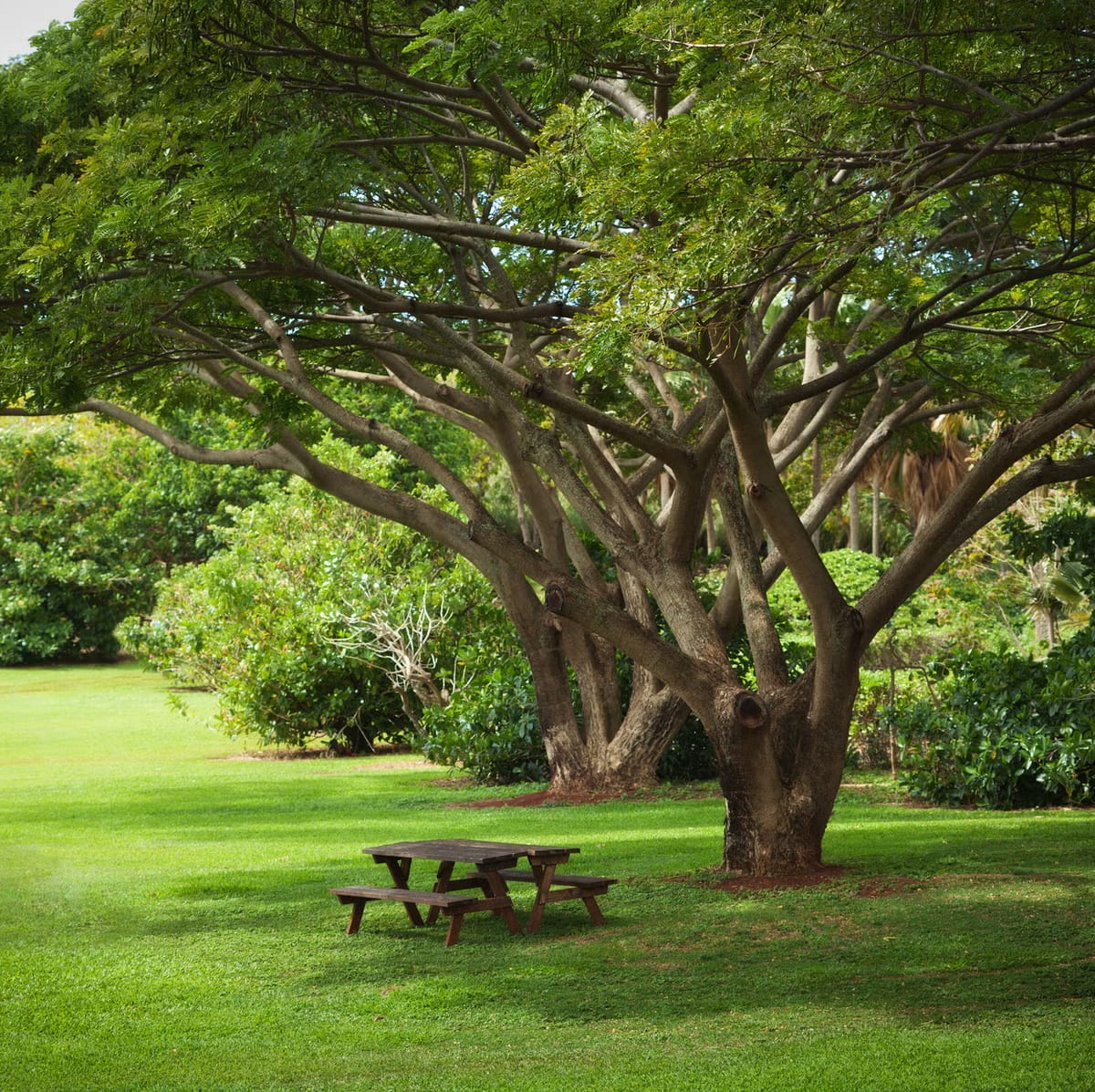
Top 5 Best Shade and Ornamental Trees for Nairobi Compounds
Nothing ruins a beautiful compound faster than a tree with destructive roots. Discover the five best shade and ornamental trees for Nairobi compounds that provide beauty, shade, and privacy without threatening your hardscaping.
Read More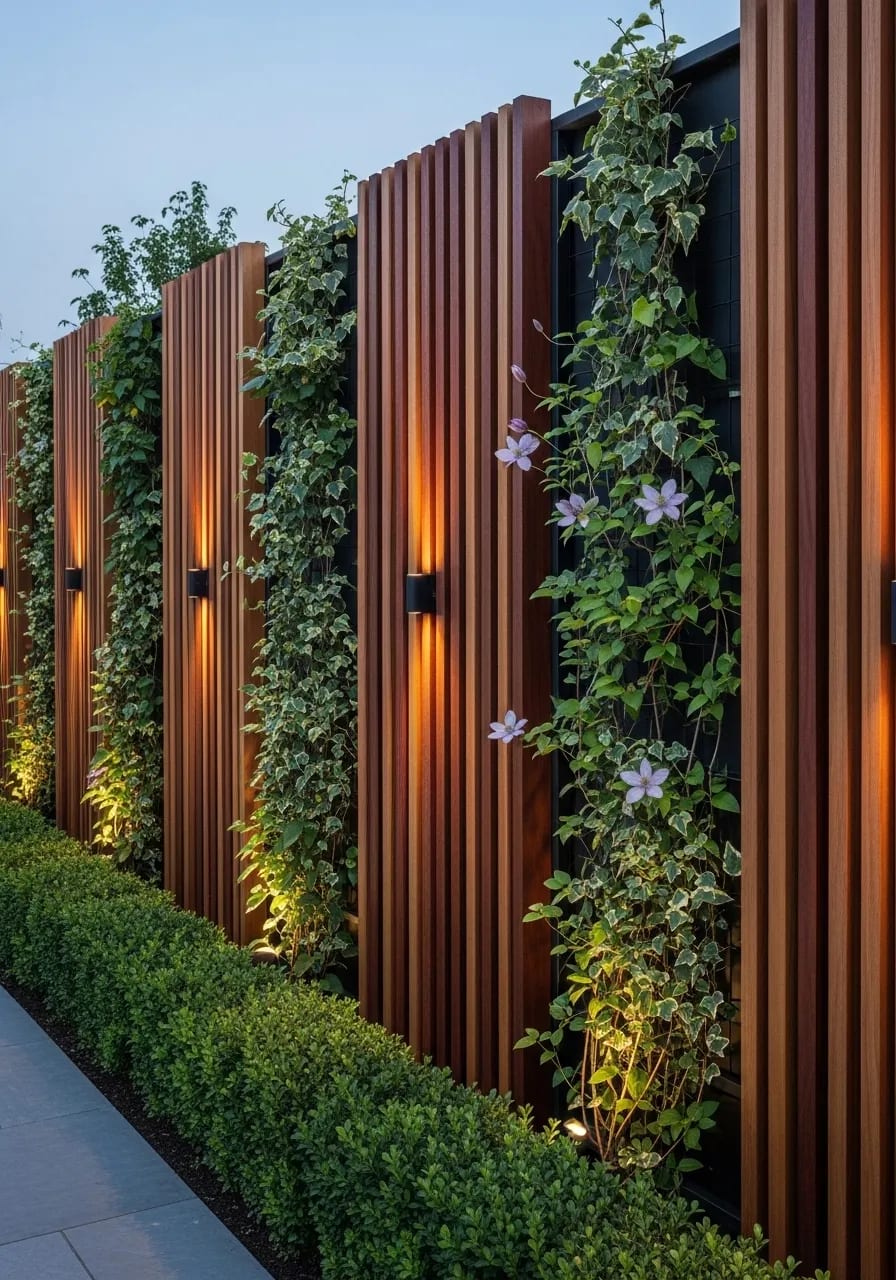
The Best Live Fence Plants for Nairobi Properties: Security, Privacy, and Growth Rates
A perimeter wall in Nairobi costs KES 3,000-6,000 per metre. A live fence costs a fraction of that while providing security, privacy, and year-round protection. Discover the three most effective species for Nairobi's climate.
Read More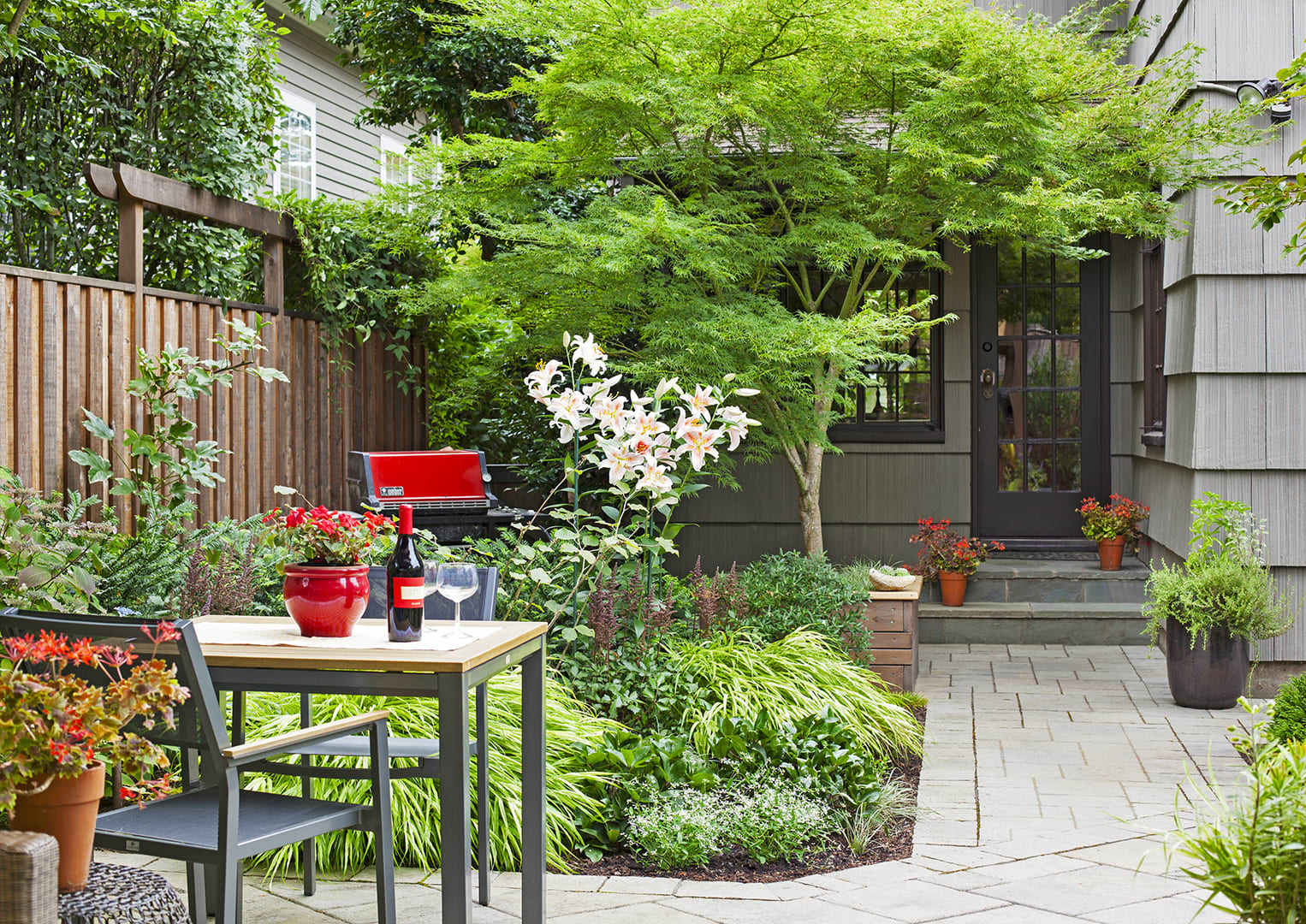
How Strategic Tree Planting Enhances Property Value in Nairobi's Real Estate Market
In Nairobi's competitive real estate markets, mature tree canopy can increase property values by 10–15%. Discover how developers and property managers can leverage trees as a measurable asset class with genuine ROI.
Read More