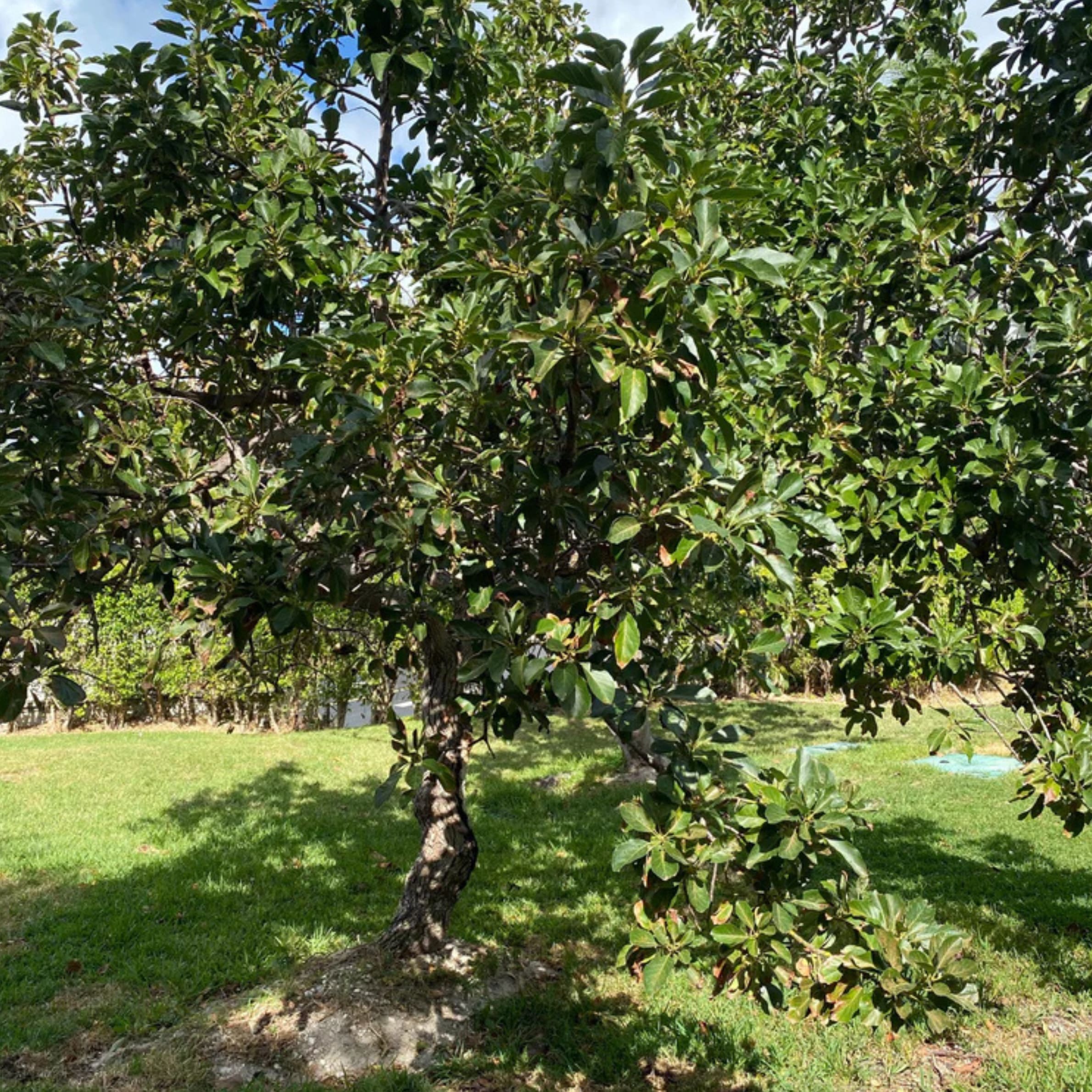
Introduction
As an Ivy League-trained botanist specializing in tropical horticulture, I have curated this fully Kenya-focused report on Hass avocado (Persea americana cv. Hass). This premier export variety dominates Kenya's avocado sector thanks to its thick, pebbly skin (turning purplish-black when ripe), creamy high-oil flesh (18–25% oil), nutty flavor, and superior shelf life (4–6 weeks when properly cooled). Kenya ranks as the 6th largest avocado producer globally, with Hass driving export growth to the EU, Middle East, and new markets like China (duty-free access from May 2026). From a national Kenyan perspective, Hass offers excellent profitability for smallholders and commercial farmers in suitable highland zones, though it requires patience (3–4 years to first harvest) and sound agronomic practices.
Hass is Kenya's leading commercial variety for export, outperforming others like Fuerte in international demand due to its quality and shipping traits.
Suitability Assessment: Is Hass Right for Your Kenyan Location?
Hass (a Guatemalan-type) thrives in Kenya's highland agro-ecological zones. Key requirements:
Altitude: 1,000–2,100 meters above sea level (optimal for fruit quality and yield).
Temperature: 15–28°C daytime (ideally 25–28°C); avoid prolonged highs above 30–35°C or frost.
Rainfall: 1,000–1,600 mm annually, well-distributed. Irrigation supplements dry spells.
Soil: Deep (>1 m), well-drained sandy loam or loam; pH 5.5–6.5. High organic matter; avoid waterlogging or shallow soils (Phytophthora root rot risk).
Other: Full sun (6–8 hours); gentle slopes; wind protection.
Major growing regions in Kenya (where Hass performs best):
- Central Highlands: Murang'a (leading producer), Kiambu, Nyeri, Meru, Embu.
- Western/Nyanza: Kisii, Nyamira.
- Rift Valley: Nakuru and parts of other counties.
- Other suitable areas: Select highland pockets in Eastern and Western Kenya.
Hass is less ideal in lowlands/coastal zones (below 1,000 m) due to heat and humidity risks—Fuerte or other varieties may suit those better. Conduct a soil test and consult your county agriculture office or KALRO for site-specific advice. If your location meets the altitude and drainage criteria, Hass is highly suitable.
Land Preparation
Begin 2–3 months before planting (best before long rains):
- Clear vegetation and debris.
- Deep plough or rip (30 cm) in a cross pattern.
- Dig soil profile pits (1.5 m deep) to check drainage.
- Test soil (pH, NPK, etc.); amend with lime (if acidic), phosphorus, and 4–10 tons/ha well-decomposed manure/compost.
- Mark rows (north-south orientation).
Planting holes: 60 cm × 60 cm × 60 cm. Backfill with topsoil + 20 kg manure + 250–500 g TSP/DAP + 100 g CAN. Form a water basin.
Preparation of Planting Material
Use only certified grafted seedlings (9–12 months old) from Green Angels or licensed suppliers. Seed-grown trees are slow (7+ years) and inconsistent.
- Select: Healthy leaves, strong graft union (above soil), 60–90 cm tall.
- Cost: KSh 200 per seedling from Green Angels (2026 prices).
- Rootstock: Often resistant types for Phytophthora tolerance.
Planting
Timing: Onset of rains (March–April or October–November).
Spacing: 5 m × 5 m (≈400 trees/ha or 150–170 trees/acre). Wider spacing (6–7 m) in very fertile soils.
Plant at nursery depth; water thoroughly (15–20 L/tree); mulch 1 m radius (away from trunk); stake young trees.
Maintenance from Establishment to Harvest
Hass is moderately low-maintenance post-establishment but needs consistent management.
Irrigation: 15–20 L every 3–4 days for young trees; 40–50 L/week for mature (or drip systems). Critical at flowering/fruit set.
Fertilization (standard KALRO-based schedule; apply at rains onset):
Tree Age: 1–3 years - CAN: 125 g/tree, TSP: 225 g/tree, FYM/Manure: 15 kg/tree
Tree Age: 4–5 years - CAN: 225 g/tree, TSP: 450 g/tree, FYM/Manure: 15 kg/tree
Tree Age: 6–7 years - CAN: 450 g/tree, TSP: 650 g/tree, MOP: 225 g/tree, FYM/Manure: 30 kg/tree
Tree Age: 8–9 years - CAN: 650 g/tree, TSP: 650 g/tree, MOP: 450 g/tree, FYM/Manure: 30 kg/tree
Tree Age: 10+ years - CAN: 900–1,300 g/tree, TSP: 1,000–1,200 g/tree, MOP: 635–650 g/tree
Supplement with leaf/soil tests every 2–3 years. Organic alternatives: composted manure + mulch.
Pruning: Formative in years 1–3 (open canopy, remove low suckers). Annual light prune post-harvest on mature trees (keep <6–7 m tall).
Weeding/Mulching: Maintain weed-free basins; mulch for moisture and weed control.
Pest & Disease Management (Integrated Pest Management):
- Pests: Thrips, fruit flies, scales, mites. Use traps, sanitation, biological controls, or approved sprays.
- Diseases: Phytophthora root rot (prevent with drainage/rootstock); anthracnose (fruit rot—fungicides + sanitation); scab, Cercospora. Scout weekly; avoid over-irrigation.
Intercrop with legumes/vegetables in early years.
Growth Timeline and First Harvest
Grafted trees: First flowering/fruiting in 2.5–4 years (typically 3–4 years with good care). Commercial yields by year 5–7.
Fruit maturity: 9–12 months after flowering.
First meaningful harvest: Year 4–5 (70–100+ fruits/tree initially). Mature trees: 70–100 kg/year (or more).
Harvesting Process
Harvest at physiological maturity (fruit still firm; ripens off-tree):
Signs: Skin dulls and begins purplish-black shift; stem yellows; fruit heavy; snaps cleanly with stalk.
Method: Use picking poles/secateurs. Cut stem 5–10 mm long (never pull). Harvest dry weather, early morning. Handle gently to avoid bruising; sort/pack immediately.
Post-Harvest Handling
Cool rapidly (5–7°C within hours for export). Grade by size/quality. Hass ships exceptionally well.
Market Demand and Trends
Demand is robust and expanding. Kenya produces ~560,000–600,000+ MT annually (Hass dominant for export). Exports surge to EU, Middle East, and China (new duty-free window from May 2026). Local consumption grows alongside "superfood" trends. Off-season (Nov–Feb) prices peak due to global supply gaps. Kenya's position as a top African supplier remains strong.
Common Uses
Fresh: Salads, guacamole, smoothies, toast.
Processed: Avocado oil (cooking/cosmetics), pulp, baby food, ice cream.
Nutritional: Rich in healthy fats, vitamins A/C/E, potassium.
Common Buyers in Kenya
Export: Licensed exporters/packhouses (best prices); cooperatives for collective marketing.
Local: Wholesalers, supermarkets, hotels, processors (oil/beauty products).
Direct: Contract farming, farm-gate sales, or platforms like Avocado Society of Kenya/HCD linkages.
Current Selling Prices (2026 Data)
Farm-gate (exporters): KSh 10–17 per fruit or equivalent ~KSh 80–150/kg for quality fruit (varies by size/grade).
Local markets: KSh 20–30/kg (peaks at KSh 30–50/kg off-season).
Export: Significantly higher (US$1.25–1.75/kg FOB or US$8–14 per 4 kg box).
Mature tree potential: KSh 10,000+ annual revenue.
Profitability and Costs
Initial setup (per acre, ~150–170 trees): KSh 140,000–300,000 (seedlings, land prep, labor, irrigation basics).
Annual maintenance (mature): KSh 150,000–200,000/acre (inputs, labor, pest control).
Revenue (mature acre): KSh 600,000–1.4 million+ (export-oriented).
Net profit: KSh 400,000–1.2 million/acre/year after year 5–6. Break-even ~year 3–5; strong ROI thereafter.
Success Stories from Kenyan Farmers
Paul Chege (Dynasty Green Farms, Murang'a): Scaled Hass operations, employing youth and tapping strong local/global demand.
Joyce Kamau: Earned KSh 4 million in two years from avocados.
Mary Wamaitha Maina and women-led groups (via Ustawi Afrika): Switched to Hass for resilience and income.
Gathura (G Smart Farm): One of Kenya's youngest commercial Hass farmers, proving viability for new entrants.
30-acre commercial successes across highlands: Farmers report transforming land into high-value "green gold" with agronomic support.
Challenges and Disadvantages
3–4 year wait for income.
Initial capital for seedlings, irrigation, and certification (GlobalGAP for export).
Pests/diseases (root rot, anthracnose, thrips—if unmanaged).
Market quality standards and price fluctuations.
Climate risks (drought, excess rain); labor for large-scale harvest/pruning.
Mitigate via certified material, cooperatives, IPM, and crop insurance.
Conclusion and Recommendations
Hass avocado is one of Kenya's most transformative crops—ecologically suited to our highlands, economically rewarding, and aligned with national export goals. Start small (0.5–1 acre), source certified grafted seedlings, prioritize soil/water management, and secure market linkages early (e.g., via HCD, Avocado Society of Kenya, or KALRO). With disciplined care, many Kenyan farmers have turned Hass into sustainable wealth.
For tailored advice, test your soil and engage your county extension services or KALRO Horticulture Research Institute. Kenya's avocado sector continues to grow—plant wisely and join the "green gold" revolution.
This report is based on current 2026 data from KALRO guidelines, industry reports, and farmer experiences. Farm successfully!
Related Topics
Related Articles
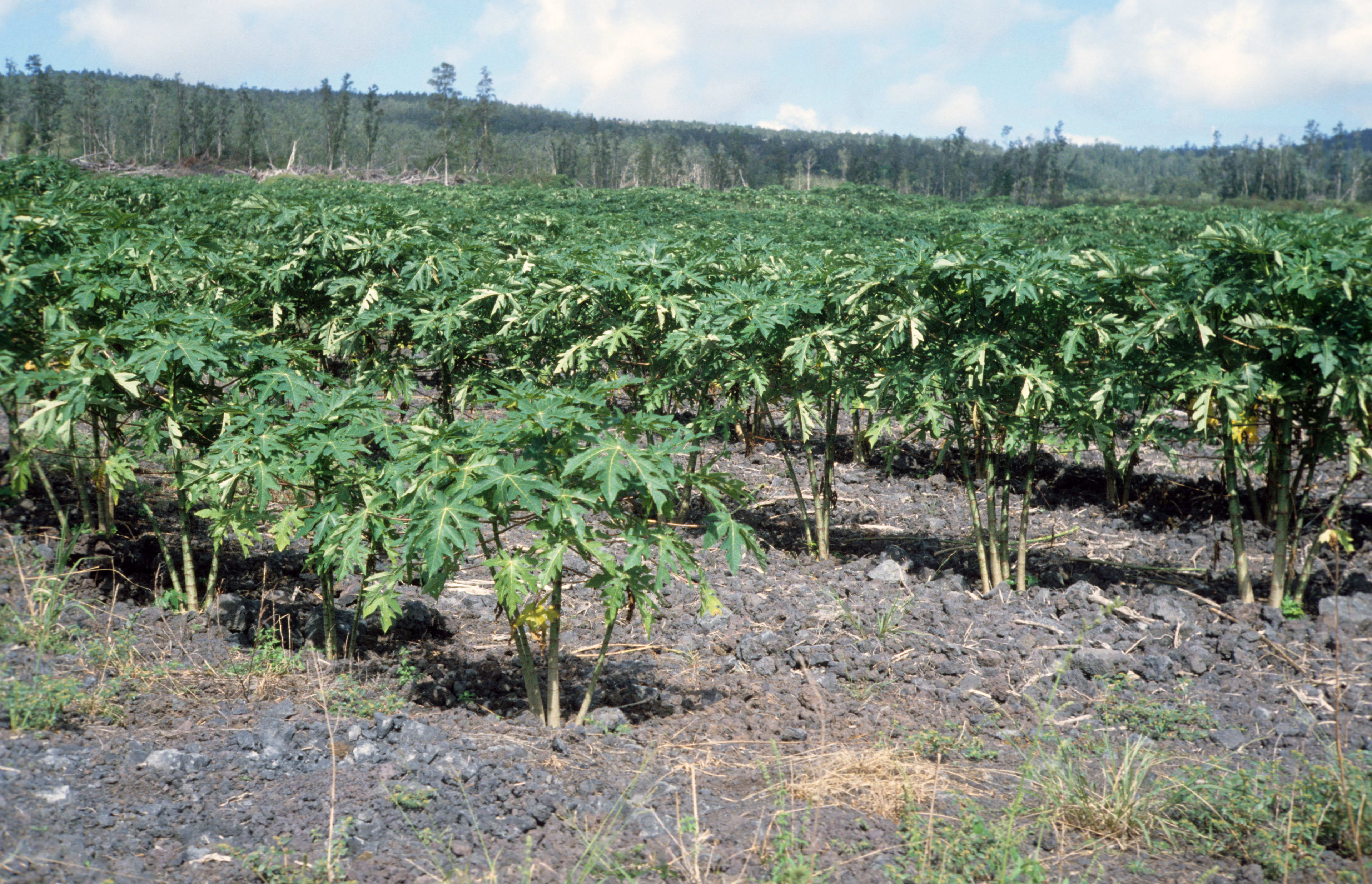
Best Economical and Productive Trees to Grow in Embu's Semi-Arid Zones
Embu County spans both the productive highlands and the harsh ASAL zones of Mbeere. Discover which trees survive the heat, thrive in sandy soils, and pay back quickly — mango, moringa, pawpaw, Mukau, and tamarind.
Read More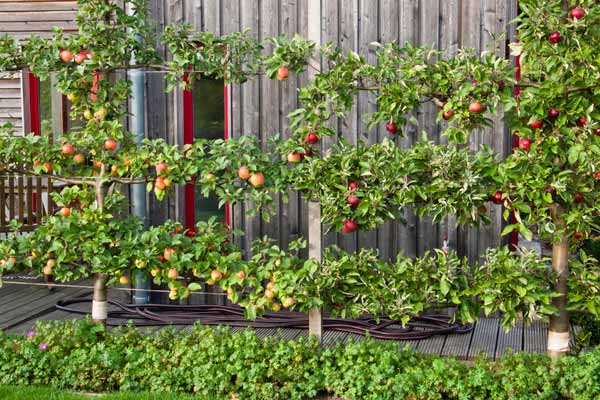
How to Grow a High-Yield Backyard Fruit Orchard in Nairobi: A Beginner's Guide
You don't need a farm to grow your own fruit. Discover how to turn unused compound space into a productive backyard orchard with grafted seedlings suited to Nairobi's soils and seasons.
Read More
How to Successfully Grow Grafted Hass Avocado and Pixie Oranges in Nairobi's Climate
A practical guide for Nairobi farmers on growing high-value grafted fruit trees. Learn about microclimates, soil preparation, pest management, and the economics of Hass avocado and Pixie orange orchards near the capital.
Read More