Introduction
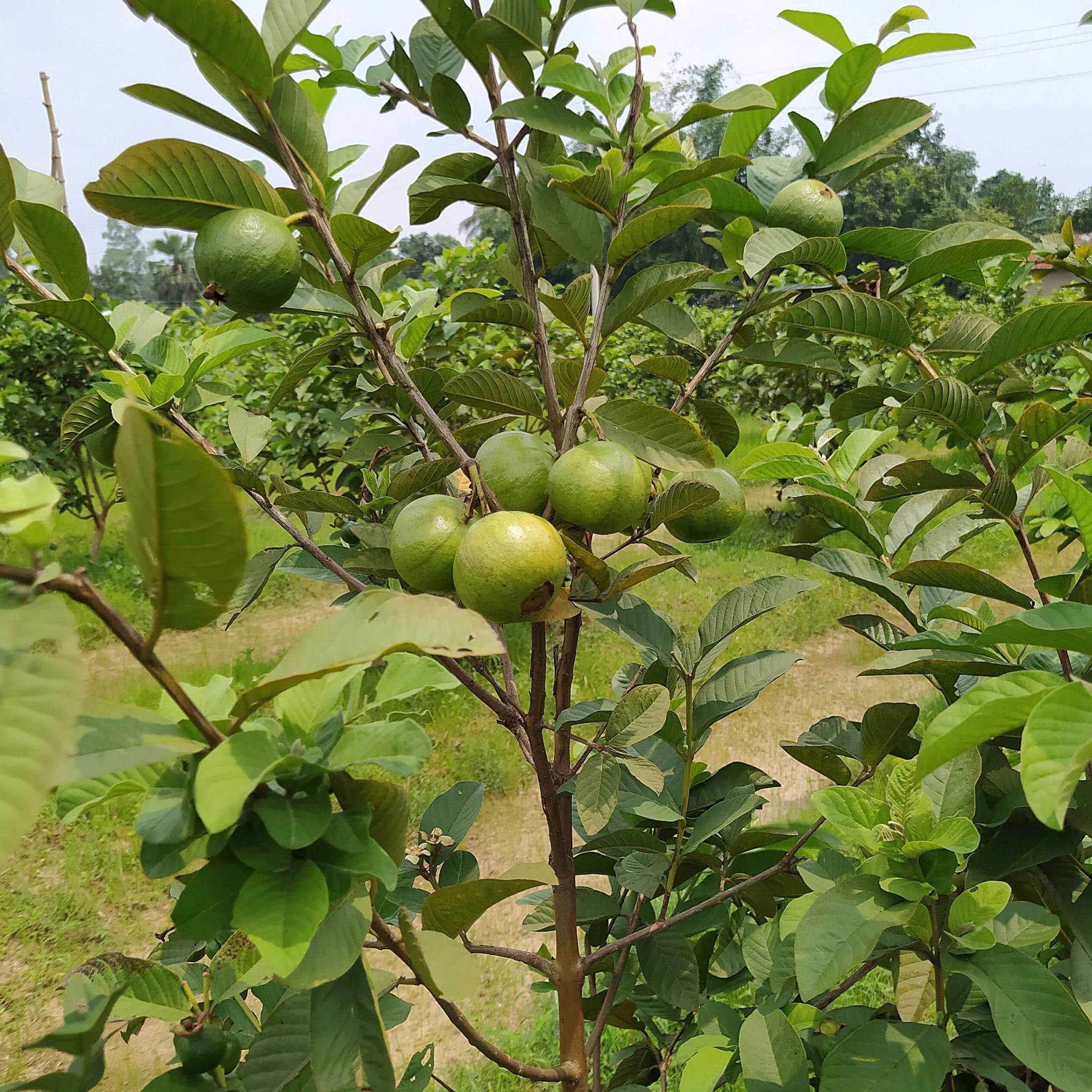
This is a fully Kenya-focused report on guava (Psidium guajava L.), a hardy, nutrient-dense evergreen tree prized for its adaptability, high vitamin C content (often 4× that of oranges), antioxidants, fiber, and versatility. Commonly known as the "poor man's apple" or a superfruit, guava thrives across much of Kenya with minimal inputs once established. Production stands at approximately 11,327 tons annually (valued at ~US$1.1 million), driven largely by smallholder and naturalized trees, with a 12%+ increase in recent years. While mostly consumed locally, growing urban health trends and processing potential position guava as a reliable, low-risk income source—especially for farmers seeking quicker returns than longer-cycle crops like avocado. From a national Kenyan perspective, guava suits diverse agro-ecological zones and offers strong profitability through fresh sales or simple value addition (juices, jams).
Suitability Assessment: Is Guava Right for Your Kenyan Location?
Guava is exceptionally adaptable and drought-tolerant, making it ideal for small-to-medium farms nationwide (except extreme arid zones). Key requirements:
Altitude: 800–2,000 m (thrives from near sea level to highlands; optimal fruit quality in mid-altitudes).
Temperature: 15–35°C (best 23–28°C); tolerates up to 45°C briefly.
Rainfall: 1,000–2,000 mm annually, well-distributed; highly drought-resistant once established (supplemental irrigation boosts yields in dry spells).
Soil: Well-drained loamy, sandy loam, or light clay; pH 5.0–7.5 (tolerates up to 8.5). Avoid waterlogging (risk of root rot). High organic matter preferred.
Other: Full sun (6+ hours/day); adaptable to marginal/wasteland soils.
Major growing regions in Kenya (where it performs best and is already widespread/naturalized):
- Eastern: Kitui, Machakos, Makueni, Embu (warm, affordable land, good local markets).
- Central: Kiambu, Murang'a, Nyeri (fertile soils, proximity to Nairobi).
- Rift Valley: Nakuru, Uasin Gishu, Kericho (suitable altitude and transport links).
- Western/Nyanza and coastal lowlands (with management).
Guava grows naturally from seed dispersal in most non-arid areas. For commercial success, test soil drainage/pH and consult your county agriculture office or KALRO. If your site meets the above (most Kenyan highlands and mid-altitudes do), guava is highly suitable and low-risk.
Varieties: Red/pink-fleshed (most common and preferred for taste/market), white-fleshed, and strawberry/cherry guava (smaller, sweeter, emerging commercial). Choose grafted improved types (e.g., Red Indian, White Indian) for uniformity and higher yields.
Land Preparation
Begin 1–2 months before planting (ideally before rains):
- Clear weeds, debris, and stumps.
- Plough or rip (30 cm depth) and level.
- Dig soil profile pits to confirm drainage.
- Test soil; amend with 4–10 tons/ha well-decomposed manure/compost. Lime if needed for pH.
- Mark rows (north-south for sunlight).
Planting holes: 60 cm × 60 cm × 60 cm. Backfill with topsoil + 20 kg manure/compost + basal fertilizer (e.g., TSP/DAP).
Preparation of Planting Material
Use certified grafted seedlings (preferred for faster fruiting and disease resistance) from Green Angels, licensed nurseries, or reputable suppliers (avoid random seed-grown trees—variable and slower).
- Select: Healthy, 30–60 cm tall, strong roots, no pests.
- Cost: KSh 100 per seedling from Green Angels (2026 estimates).
- Harden off before field planting.
Planting
Timing: Onset of long rains (March–April or October–November) for best establishment.
Spacing: Standard 5–6 m × 5–6 m (≈100–150 trees/acre); high-density 3–4 m × 3–4 m (up to 400–450 trees/acre for intensive systems—requires more management).
Plant at nursery depth; water thoroughly (10–15 L/tree); mulch 1 m radius (keep away from trunk); stake if needed.
Maintenance from Establishment to Harvest
Guava is low-maintenance and hardy but responds well to care for higher yields.
Irrigation: Young trees: weekly in dry periods; mature: drought-tolerant but 20–40 L/tree/week during flowering/fruit set improves size/quality. Drip systems efficient.
Fertilization: Apply manure/compost annually (20–30 kg/tree). Supplement with NPK (e.g., CAN/TSP) based on soil tests and tree age. Heavy feeder—split applications at rains onset.
Pruning: Formative (years 1–2): shape open canopy, remove low suckers. Mature: annual light prune post-harvest to control height (<4–5 m), improve light/airflow, and boost fruiting.
Weeding/Mulching: Keep basin weed-free; mulch to conserve moisture and suppress weeds.
Pest & Disease Management (IPM focus):
- Pests: Fruit flies (major), thrips, scales, mealybugs. Use traps, sanitation (remove fallen fruit), neem-based or approved sprays.
- Diseases: Anthracnose (fruit spots), wilt, leaf spot, root rot (prevent with drainage). Scout regularly; prune affected parts.
Intercrop with legumes early on for soil health.
Growth Timeline and First Harvest
Grafted trees: First fruiting in 1–3 years (typically 2–3 years with good care; some high-density systems faster). Full commercial yields by year 4–5.
Productive lifespan: 10–15+ years.
Yields: Mature tree 20–40 kg/year (or 200–1,000+ fruits/tree/season, depending on variety and management). One acre (high-density) can exceed 10–15 tons with optimal care.
Harvesting Process
Harvest at physiological maturity (firm-ripe stage for best quality/storage):
Indicators: Skin color shifts (green to yellow/red depending on variety), fruit size peaks, aroma develops, firm to touch (not soft/over-ripe).
Method: Hand-pick or use picking poles/secateurs in early morning or late evening (minimize field heat/bruising). Cut stem cleanly; handle gently. Sort immediately—separate damaged/ripe. Avoid dropping or piling high.
Post-Harvest Handling
Guava is climacteric and highly perishable (high losses 20–40% if mishandled). Shade fruits, use ventilated crates/lined containers, transport quickly to market or processor. Cool storage extends shelf life.
Market Demand and Trends
Demand is strong locally and growing. Kenya's ~11,327 tons/year production is mostly household-level, but urban "superfood" awareness (nutrition, health) drives supermarket/juice demand. Production up >12% in 5 years; international interest in processed guava (pulp, juice, puree) for export to Europe/Middle East. Local supply gaps in off-season; value-addition (juices, jams) untapped but high-potential. Post-harvest losses remain a challenge, but cooperatives/processors are expanding.
Common Uses
Fresh: Eating, salads, smoothies.
Processed: Juice, nectar, jams, jellies, pulp, concentrates, wines, baby food, ice cream.
Nutritional/others: High in vitamins A/C, minerals; leaves for tea/medicinal (traditional); seeds/skin for animal feed or pectin.
Common Buyers in Kenya
Local: Wholesalers, roadside vendors, supermarkets, hotels, juice processors, small-scale processors.
Direct: Farm-gate to urban traders, cooperatives, or platforms linking to Nairobi/Mombasa/Kisumu markets.
Export/Processed: Licensed exporters (fresh/processed to EU/Middle East—quality standards required); emerging processors for puree/juice.
Current Selling Prices (2026 Data)
Farm-gate: KSh 50–100 per kg (varies by size/quality/season; lower during gluts, higher off-season or for premium varieties).
Per fruit: Often KSh 5–10 (small/medium).
Processed: Significantly higher (e.g., juice/pulp commands premium).
Example: 20 well-managed trees can yield ~KSh 7,200+ annually (basic KALRO estimate); scales up dramatically with volume/value-add.
Profitability and Costs
Initial setup (per acre): Low—KSh 50,000–150,000 (seedlings, land prep, basic irrigation/manure). Grafted seedlings affordable.
Annual maintenance (mature): KSh 30,000–80,000/acre (labor, inputs, pest control—very low compared to other fruits).
Revenue (mature acre): KSh 500,000–1.5 million+ (depending on density, management, and markets; high-density + value-add pushes upper end).
Net profit: Strong ROI after year 2–3; break-even quick. Many smallholders report life-changing income from even 20–50 trees due to low costs and reliable production.
Success Stories from Kenyan Farmers
Smallholders nationwide have succeeded by shifting from subsistence to commercial guava. Examples include farmers in Eastern Kenya (Kitui/Taita Taveta) scaling naturalized trees with grafted varieties for steady sales; KALRO initiatives (e.g., free seedlings to Busia farmers) boosting production; and entrepreneurs in Central/Rift adding value (juice) for higher margins. Joseph Kabunyi (integrated orchard farmer) exemplifies diversified success with guava. Women groups and youth in marginal areas report reliable income from low-input plots. Many transform small plots into steady cash-flow enterprises.
Challenges and Disadvantages
High perishability and post-harvest losses (up to 30–40% without quick sales/processing).
Pests/diseases (fruit fly, anthracnose) if unmanaged.
Market reliance on middlemen/gluts lowering prices; limited structured value chains.
Variable quality from naturalized trees (grafted mitigates this).
Initial learning curve for commercial practices.
Mitigate with certified seedlings, IPM, cooperatives, and basic processing (household-level jams/juice).
Conclusion and Recommendations
Guava is one of Kenya's most underutilized yet promising fruit crops—ecologically adaptable, quick to fruit, low-maintenance, and aligned with nutrition/security goals. Start small (20–100 trees), source certified grafted material, focus on drainage/pruning/IPM, and build market linkages early (local buyers or processors). With basic care, it delivers reliable income within 2–3 years while contributing to Kenya's horticulture growth.
For site-specific advice, conduct a soil test and engage your county extension services or KALRO. Kenya's guava sector is expanding—plant wisely and tap into the "silent money-maker" for sustainable livelihoods.
This report draws from current 2026 data (HCD, KALRO-linked sources, farmer guides, and research reviews). Farm successfully!
Related Topics
Related Articles
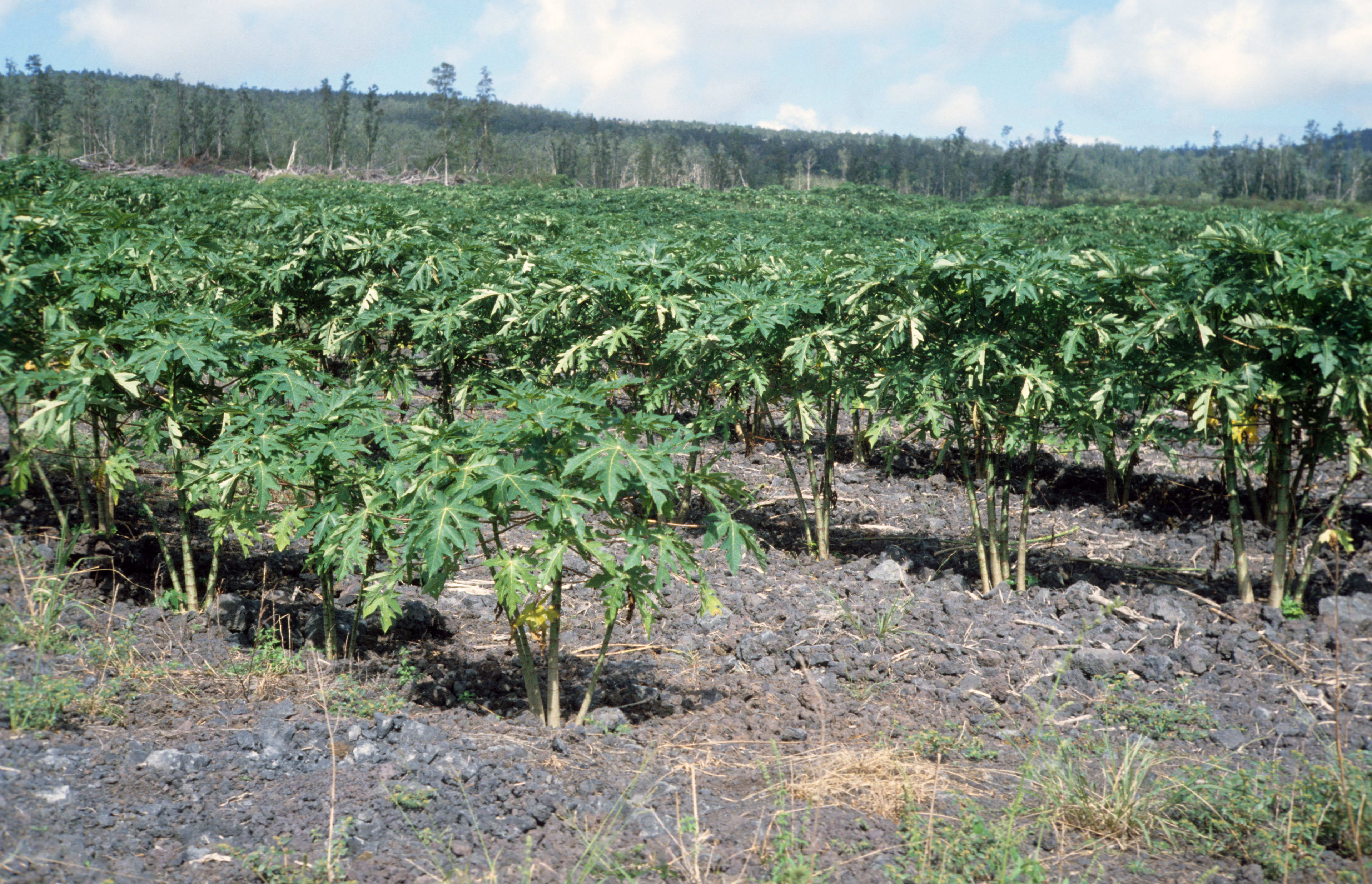
Best Economical and Productive Trees to Grow in Embu's Semi-Arid Zones
Embu County spans both the productive highlands and the harsh ASAL zones of Mbeere. Discover which trees survive the heat, thrive in sandy soils, and pay back quickly — mango, moringa, pawpaw, Mukau, and tamarind.
Read More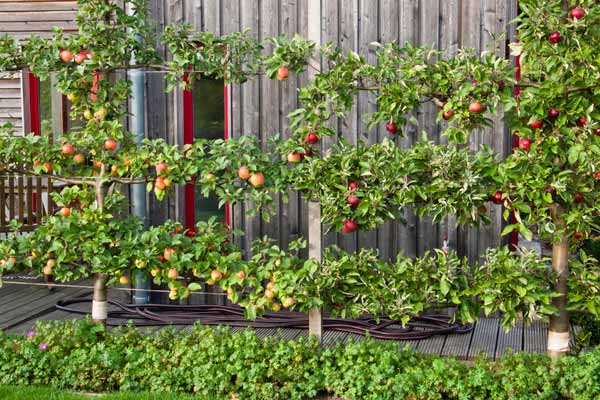
How to Grow a High-Yield Backyard Fruit Orchard in Nairobi: A Beginner's Guide
You don't need a farm to grow your own fruit. Discover how to turn unused compound space into a productive backyard orchard with grafted seedlings suited to Nairobi's soils and seasons.
Read More
How to Successfully Grow Grafted Hass Avocado and Pixie Oranges in Nairobi's Climate
A practical guide for Nairobi farmers on growing high-value grafted fruit trees. Learn about microclimates, soil preparation, pest management, and the economics of Hass avocado and Pixie orange orchards near the capital.
Read More