
Introduction
This is a fully Kenya-focused report on apple (Malus domestica) cultivation. Apples, traditionally a temperate crop, have become a viable and increasingly profitable venture in Kenya thanks to low-chill varieties adapted to our diverse climates. The standout is the locally developed Wambugu Apple (patented and KALRO-recognized), alongside others like Anna, Dorsett Golden, Fuji, Pink Lady (Cripps Pink), Granny Smith, and Braeburn. Kenya remains a net importer of apples, creating strong import-substitution opportunities amid rising urban demand for fresh, nutritious fruit. Production is expanding rapidly in suitable highland zones, with smallholders and commercial farmers reporting high returns due to quick fruiting (often within 1–2 years) and multiple harvests possible with proper management. From a national Kenyan perspective, apples offer excellent profitability for farmers with access to irrigation and certified stock, though they demand upfront investment and site-specific adaptation.
Suitability Assessment: Is Apple Right for Your Kenyan Location?
Apples require cool conditions for optimal fruit set and quality, but low-chill varieties have made cultivation possible across wider areas than traditional temperate types. Key requirements:
Altitude: 1,200–2,700 m above sea level (optimal 1,500–2,700 m for most varieties; Wambugu more flexible down to lower mid-altitudes).
Temperature: 15–28°C daytime (ideally with some cool nights); low-chill varieties need minimal winter chilling (as low as 300 hours below 7°C). Avoid prolonged extremes above 32°C or frost damage in very high areas.
Rainfall: 800–1,800 mm annually, well-distributed. Supplemental irrigation is essential in dry seasons.
Soil: Deep, well-drained loamy, sandy loam, or clay loam; pH 5.5–6.5. High organic matter; avoid waterlogging (root rot risk).
Other: Full sun (6–8 hours/day); gentle slopes; protection from strong winds.
Major growing regions in Kenya (where apples perform best and adoption is growing):
- Central Highlands: Nyeri, Kiambu, Murang'a, Nyandarua (cool microclimates ideal).
- Rift Valley: Uasin Gishu, Nandi, Nakuru, Timau (Meru), Kericho.
- Western Kenya highlands and select lower-altitude trials with Wambugu.
Apples are less suited to hot lowlands/coastal zones without intensive management. Conduct a soil test (pH, drainage, nutrients) and consult your county agriculture office or KALRO for variety recommendations. If your site meets the altitude, drainage, and water-access criteria, apples—especially Wambugu—are highly suitable and transformative.
Varieties: Prioritize low-chill grafted types (Wambugu for adaptability and pest tolerance; Anna/Dorsett Golden for early fruiting; Fuji/Pink Lady for premium markets).
Land Preparation
Begin 2–3 months before planting (best before rains):
- Clear weeds, rocks, debris, and old crops.
- Plough or rip to a fine tilth (30 cm depth) and level.
- Dig soil profile pits to confirm drainage.
- Test soil; amend with lime/sulfur (for pH) and 10–20 tons/ha well-decomposed manure/compost.
- Mark rows (north-south for sunlight).
Planting holes: 60 cm × 60 cm × 60 cm (or larger, up to 2 m cubed for better root development in Wambugu systems). Backfill with topsoil + 20 kg manure + 250 g TSP/DAP.
Preparation of Planting Material
Use only certified grafted seedlings (45–60 cm tall, 1–1.5 cm stem diameter, healthy green leaves) from Green Angels, licensed nurseries (Nyeri, Kiambu, Nyandarua), or reputable suppliers. Avoid seed-grown trees (slow and variable).
- Cost: KSh 300 per seedling from Green Angels (2026 prices).
- Harden off for 1–2 weeks before planting.
Planting
Timing: Onset of long rains (March–April or October–November).
Spacing: Standard 3 m × 3 m (≈450–500 trees/acre); high-density for Wambugu: 1 m × 3 m (up to 1,300 trees/acre—requires intensive management).
Plant at nursery depth (graft union above soil); water heavily (15–20 L/tree); mulch 1 m radius (away from trunk); stake young trees.
Maintenance from Establishment to Harvest
Apples respond well to consistent care but are manageable once established.
Irrigation: Critical—drip systems preferred for precision. Young trees: weekly; mature: maintain consistent moisture (especially flowering/fruit set). 40% less water needed for some adapted varieties.
Fertilization (apply based on soil tests; split at rains onset):
- Annual: 20–30 kg manure/compost per tree + NPK 17:17:17 (≈100 kg/tree/year generic rate).
- Supplement: Boron spray during flowering for better fruit quality and Brix.
Pruning: Formative (years 1–2): shape open canopy, remove low suckers. Mature: annual post-harvest prune to control height (<4–5 m), improve light/airflow, and induce fruiting. Defoliation may be used to simulate dormancy in low-chill types.
Weeding/Mulching: Keep basins weed-free; mulch for moisture retention.
Pest & Disease Management (IPM priority):
- Pests: Fruit flies (major), aphids, scales, mealybugs. Use traps, sanitation, neem, or approved sprays.
- Diseases: Powdery mildew, apple scab, root rot (prevent with drainage). Scout regularly.
Intercrop with legumes in early years.
Growth Timeline and First Harvest
Grafted trees: Flowering in 9–12 months; first harvest often in year 1–2 (Wambugu frequently fruits in the first year with excellent care). Full commercial yields by year 3–4.
Productive lifespan: 10–15+ years.
Yields: Mature tree 200–500+ fruits (or 20–40+ kg); high-density acre: 6–15+ tons (multiple harvests possible for adapted varieties).
Harvesting Process
Harvest at physiological maturity (firm, colored, aromatic, for best storage/quality):
Indicators: Skin color fully developed (red/yellow/green per variety), firmness, easy detachment.
Method: Hand-pick gently (early morning/late evening) or use picking poles/secateurs. Twist or cut stem cleanly; handle with care to avoid bruising. Sort immediately into padded crates. Avoid dropping or piling.
Post-Harvest Handling
Apples store well (cool, ventilated conditions). Grade by size/quality; quick transport to market or processor minimizes losses.
Market Demand and Trends
Demand is robust and growing rapidly. Kenya imports most apples, but local production is rising with health/superfood trends and import substitution. Urban markets (Nairobi, Mombasa) drive fresh sales; processing (juices, jams) adds value. Supply gaps exist, especially for local fresh apples. Sector supported by government horticulture goals—production expanding in highlands.
Common Uses
Fresh: Eating, salads, snacks.
Processed: Juices, nectars, jams, jellies, cider, dried slices, baby food.
Nutritional: High in fiber, vitamins (C, antioxidants), low-calorie.
Common Buyers in Kenya
Local: Supermarkets (Naivas, Carrefour), wholesalers, hotels, urban traders, roadside markets.
Direct: Farm-gate to retailers, cooperatives, or platforms.
Processed/Export: Juice processors, exporters (premium varieties). Link via HCD or farmer groups.
Current Selling Prices (2026 Data)
Farm-gate: KSh 15–30 per fruit (or KSh 50–150/kg depending on size/quality/season).
Supermarkets: KSh 100–150/kg+.
High-volume potential: Premium varieties fetch more.
Profitability and Costs
Initial setup (per acre): KSh 200,000–400,000+ (seedlings dominant cost at high density; land prep, irrigation).
Annual maintenance (mature): KSh 100,000–200,000/acre (irrigation, inputs, labor).
Revenue (mature acre): KSh 1–4.5 million+ per season (multiple harvests for some systems).
Net profit: KSh 500,000–2 million+/acre/year after year 2–3. Quick ROI (often pays back in 2 years); one of Kenya's highest-return fruit enterprises when managed well.
Success Stories from Kenyan Farmers
Kate Wambugu (Wambugu Apples, Laikipia/Nyeri): Built a multi-million business from her father Peter Wambugu's pioneering low-chill variety; trains farmers nationwide.
John Rumba (Laikipia): Scaled from 50 to 1,000+ trees, turning it into a profitable commercial operation.
Kimutai Maselus (28-year-old, Uasin Gishu): Earning millions, employing 10+ people from apple orchards.
Farmers in Mugutha (Kiambu), Nyeri, and Central Highlands report transforming small plots into high-income ventures—many achieving KSh 1.8 million+/acre annually.
Challenges and Disadvantages
High initial capital (seedlings + irrigation setup).
Water dependency (drought can reduce yields).
Pests/diseases (fruit fly, mildew—if unmanaged).
Chilling-hour mismatch (wrong variety fails; stick to low-chill).
Quality seedling scarcity and post-harvest storage issues.
Price fluctuations during gluts (mitigated by direct marketing/value addition).
Mitigate with certified stock, drip irrigation, IPM, cooperatives, and soil/water planning.
Conclusion and Recommendations
Apple farming is one of Kenya's most promising horticultural opportunities—quick to fruit, highly marketable, and aligned with nutrition and economic goals. Focus on low-chill varieties like Wambugu, ensure reliable water, and start small (0.5–1 acre) with certified grafted seedlings. Prioritize soil testing, irrigation, and market linkages early (via KALRO, county extension, or farmer networks). With disciplined care, many Kenyan farmers have turned apples into sustainable wealth and job creators.
For site-specific advice, test your soil and engage your local agriculture office or KALRO Horticulture Research. Kenya's apple sector is booming—plant strategically and join the import-substitution success story.
This report draws from current 2026 KALRO-aligned guidelines, farmer experiences, and industry data. Farm successfully!
Related Topics
Related Articles
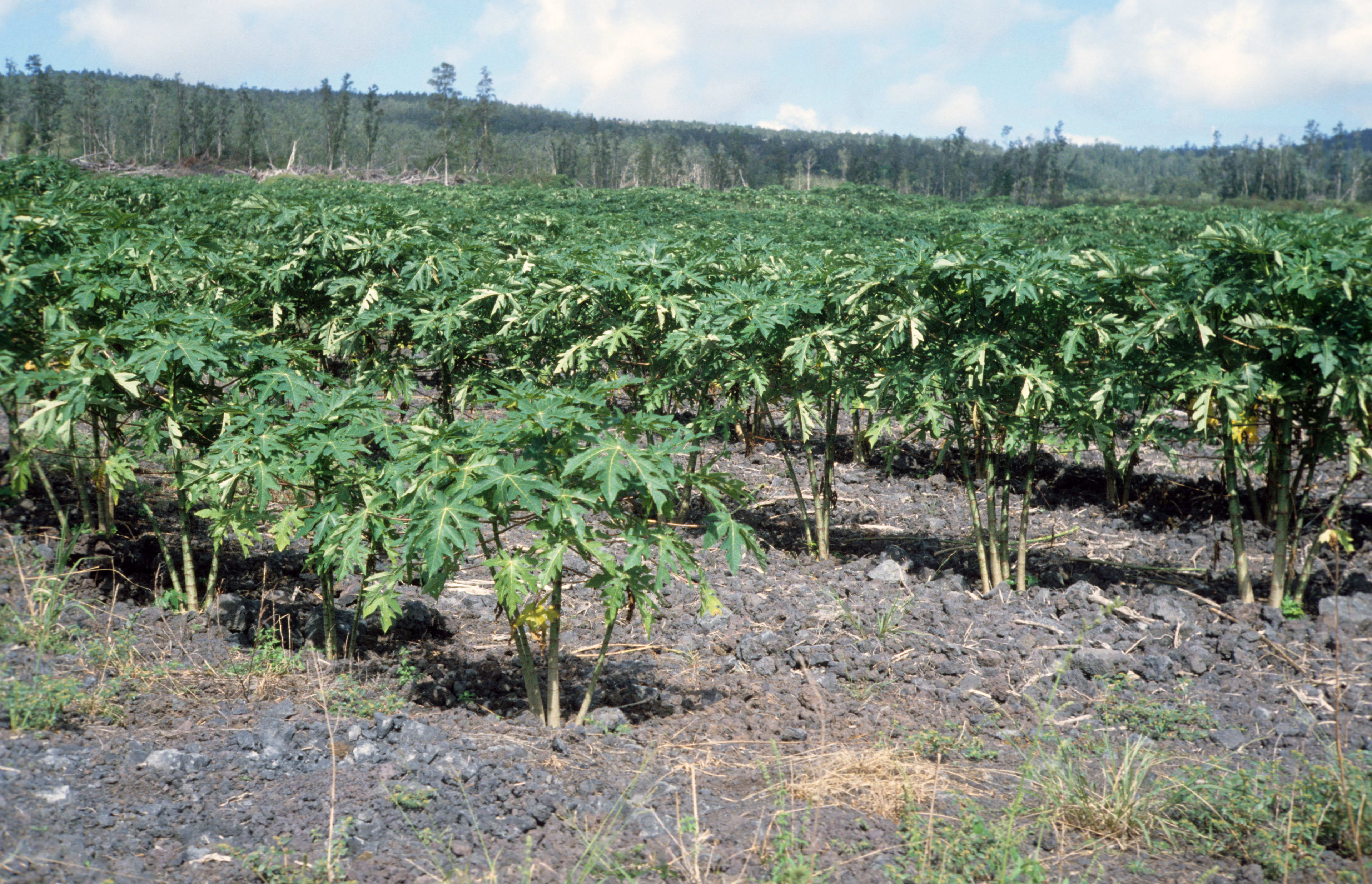
Best Economical and Productive Trees to Grow in Embu's Semi-Arid Zones
Embu County spans both the productive highlands and the harsh ASAL zones of Mbeere. Discover which trees survive the heat, thrive in sandy soils, and pay back quickly — mango, moringa, pawpaw, Mukau, and tamarind.
Read More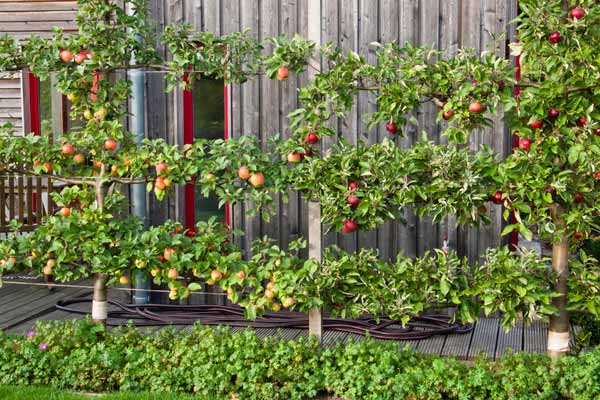
How to Grow a High-Yield Backyard Fruit Orchard in Nairobi: A Beginner's Guide
You don't need a farm to grow your own fruit. Discover how to turn unused compound space into a productive backyard orchard with grafted seedlings suited to Nairobi's soils and seasons.
Read More
How to Successfully Grow Grafted Hass Avocado and Pixie Oranges in Nairobi's Climate
A practical guide for Nairobi farmers on growing high-value grafted fruit trees. Learn about microclimates, soil preparation, pest management, and the economics of Hass avocado and Pixie orange orchards near the capital.
Read More