How to Transform Arid Land: A Reforestation Strategy with 10,000 Drought-Resistant Trees for Makueni County, Kenya
Makueni County Government
Makueni County, Kenya
50 ha
Could Be Restored
Degraded land potentially revitalized, aligning with national restoration objectives.
90%
Projected Survival Rate
Anticipated high success rate from quality seedlings and professional guidance.
20%
Potential Groundwater Recharge
Expected improvement in water retention, based on WRI reforestation research.
500 tons
Annual CO₂ Potential
Projected carbon sequestration, as secondary forests could capture carbon efficiently per WRI findings.
The Transformation
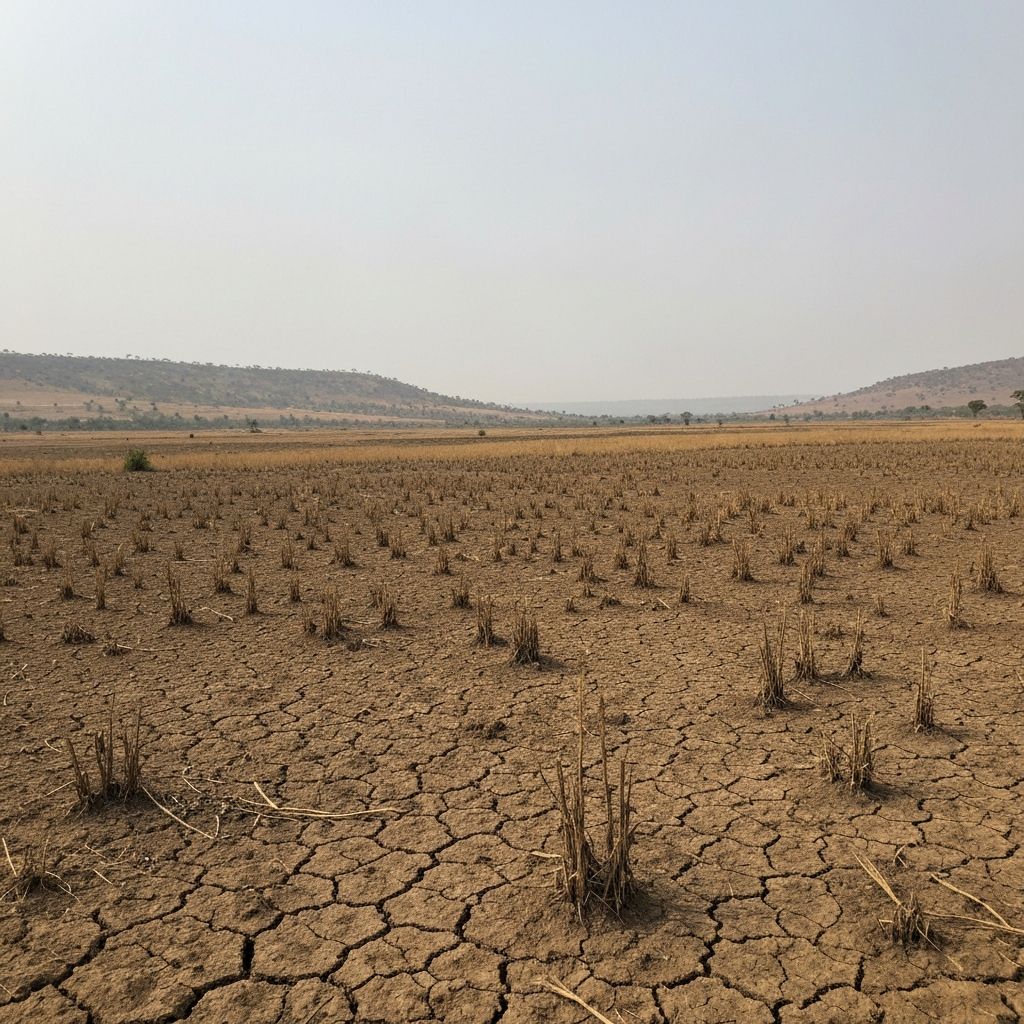 Before
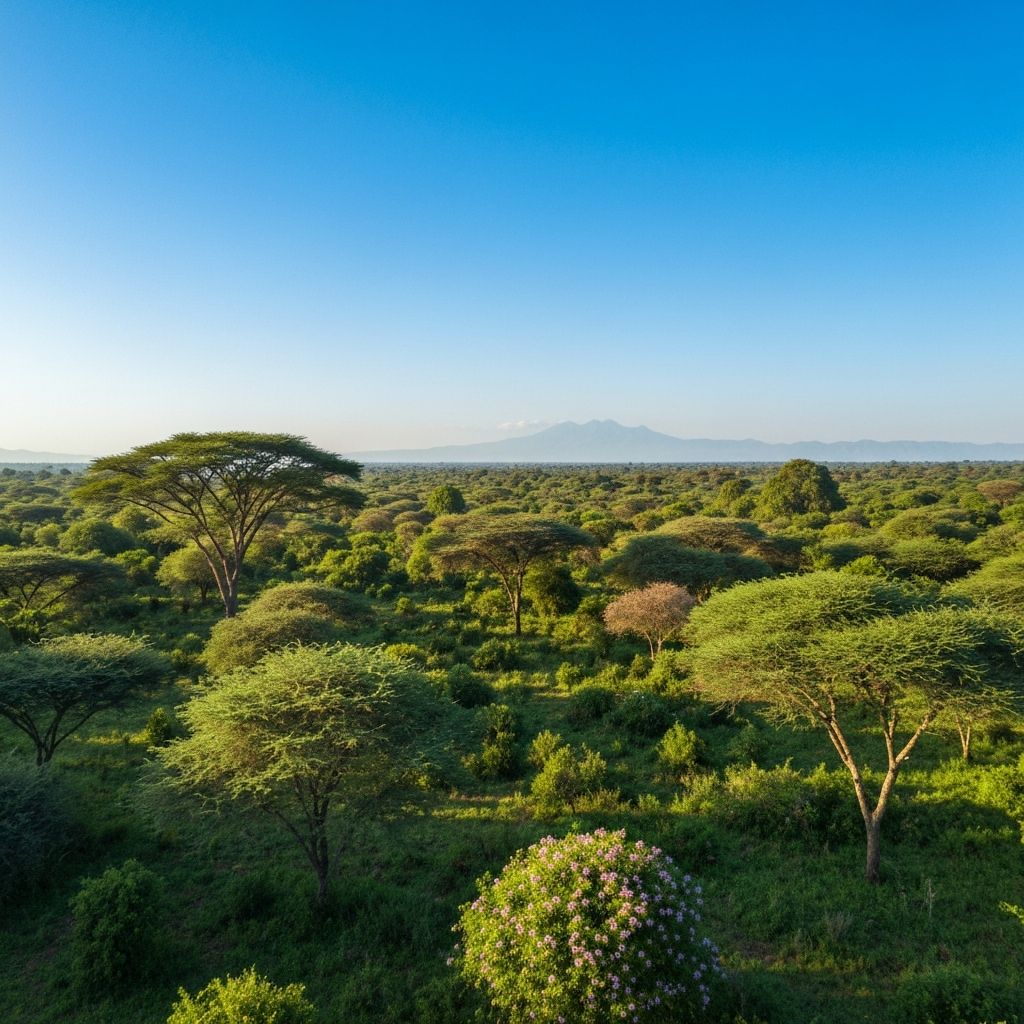 After
AfterThe Challenge
Makueni County faces severe desertification, with over 70% of its lands classified as arid or semi-arid. Soil erosion could threaten agricultural productivity, and communities might struggle with water scarcity. The government would need a partner to supply drought-resistant indigenous seedlings to address these potential issues, supporting Kenya's goals to restore millions of hectares of degraded land.
Our Solution
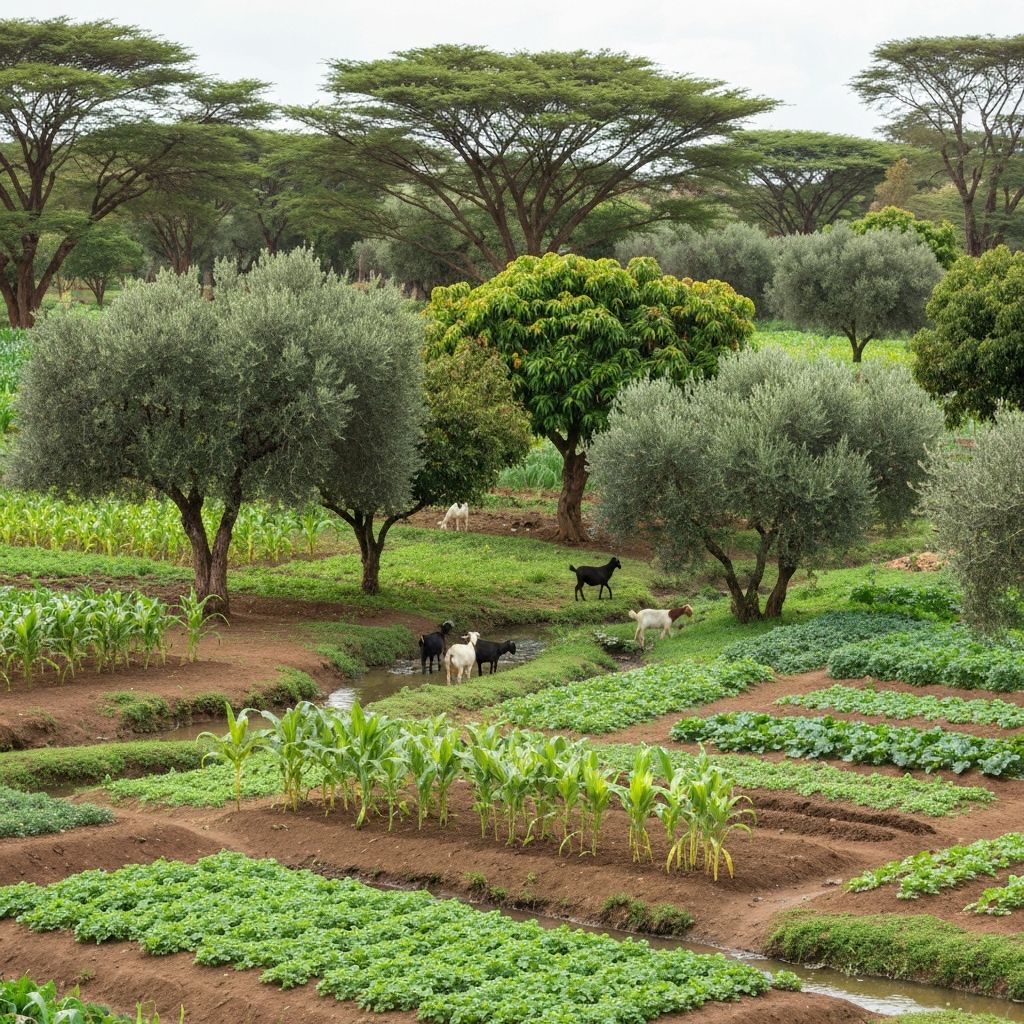
Green Angels Tree Nursery could provide a comprehensive reforestation package: 10,000 indigenous seedlings suited for arid conditions, along with planting expertise and community training. We would partner with the County Environment Office to choose species like Melia volkensii for its drought resistance, aiming to enhance biodiversity and environmental resilience.
Implementation
Site Assessment
Conduct soil and climate analysis across 50 hectares to identify optimal planting zones, drawing on World Resources Institute methodologies for accuracy.
Species Selection
Select four indigenous, drought-tolerant species to promote carbon sequestration and soil health.
Seedling Production
Grow 10,000 sturdy seedlings over three months, emphasizing root development for better adaptation to dry environments.
Community Training
Train 200 local residents in planting and maintenance techniques to encourage ongoing involvement.
Planting Campaign
Organize a three-week planting effort during the long rains, working with county teams for effective timing.
Monitoring
Offer 12 months of follow-up support to monitor survival and refine approaches for sustained success.