Introduction
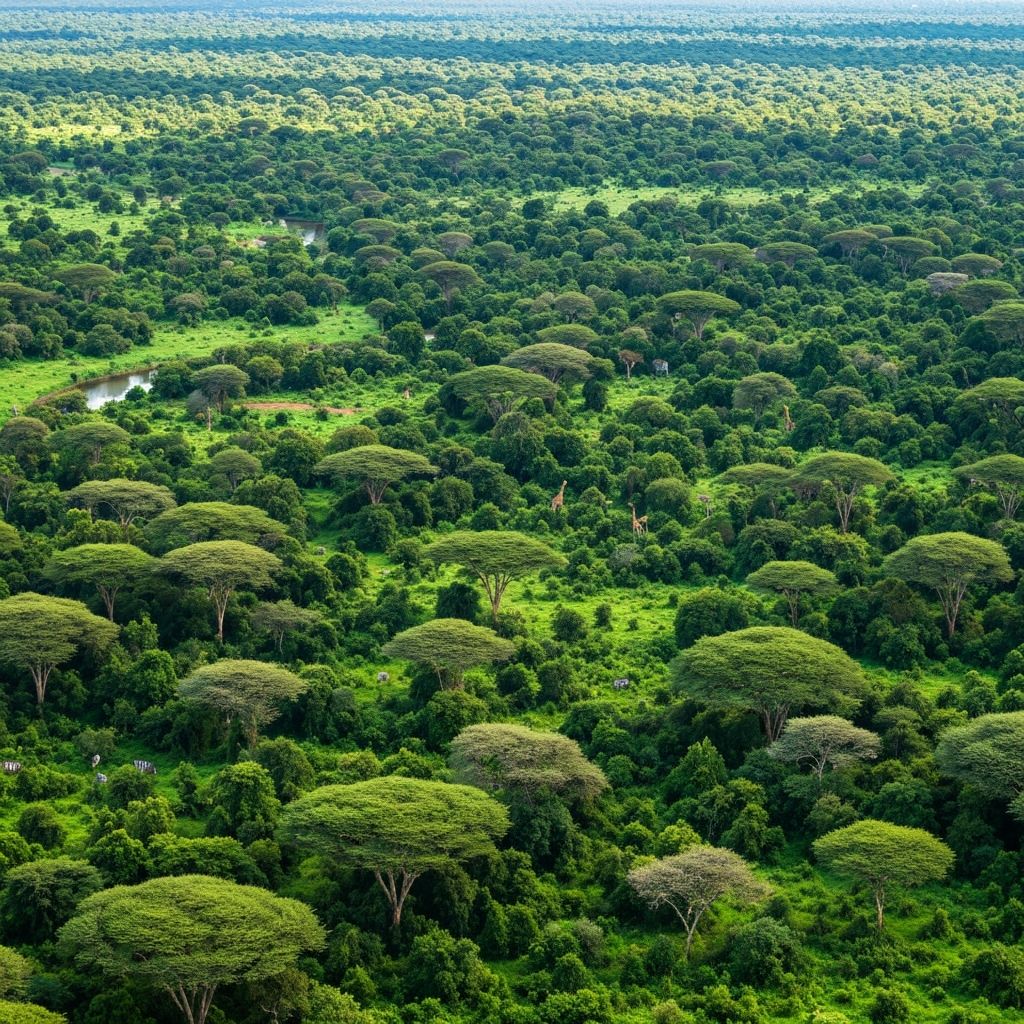
Kenya is home to a rich diversity of indigenous tree species, each adapted to specific ecological zones and playing crucial roles in maintaining ecosystem health. From the coastal forests to the highland montane forests, these native trees provide essential services including carbon sequestration, watershed protection, and habitat for wildlife.
Despite their importance, Kenya's indigenous forests have faced significant threats from deforestation, agricultural expansion, and climate change. Conservation efforts and reforestation projects are now focusing on restoring these native species to ensure ecological balance and sustainable development.
Major Indigenous Tree Species in Kenya
Acacia Species
- Acacia tortilis (Umbrella Thorn): Iconic savanna tree, provides shade and fodder
- Acacia senegal (Gum Arabic): Produces valuable gum, nitrogen-fixing
- Acacia mellifera (Black Thorn): Drought-resistant, good for charcoal
Highland Species
- Prunus africana (African Cherry): Medicinal bark, high-value timber
- Olea africana (African Olive): Long-lived, excellent timber
- Croton megalocarpus: Fast-growing, good for firewood and timber
Coastal Species
- Brachylaena huillensis (Muhuhu): Aromatic wood, used in carving
- Afzelia quanzensis (Apa): Durable timber, nitrogen-fixing
- Milicia excelsa (Mvule): Premium timber, long-lived
Ecological Importance
Carbon Sequestration Indigenous trees are highly effective at capturing and storing carbon dioxide, helping mitigate climate change impacts.
Watershed Protection Forest cover from indigenous trees helps regulate water cycles, prevent erosion, and maintain water quality in rivers and streams.
Biodiversity Support Native trees provide habitat and food sources for countless species of birds, insects, mammals, and plants, supporting complex ecological networks.
Soil Health Many indigenous species, particularly legumes, fix nitrogen in the soil, improving fertility naturally without chemical inputs.
Conservation Challenges
Deforestation
Agricultural expansion, logging, and charcoal production continue to threaten indigenous forests.
Climate Change
Changing rainfall patterns and increased temperatures stress native tree populations.
Invasive Species
Non-native species like Prosopis juliflora outcompete indigenous trees in some areas.
Conservation Strategies
Protected Areas National parks and forest reserves protect critical indigenous forest habitats.
Community-Based Conservation Engaging local communities in forest management ensures sustainable use and protection.
Reforestation Programs Organizations like GreenAngels are working to restore indigenous tree cover through nursery production and planting initiatives.
Research and Monitoring Green Angels and other institutions conduct research on indigenous species to improve conservation and propagation techniques.
Conclusion
Indigenous trees are the foundation of Kenya's natural heritage and ecological health. Protecting and restoring these native species is essential for biodiversity conservation, climate change mitigation, and sustainable development. Through collaborative efforts between government, organizations, and communities, Kenya can ensure that its indigenous forests continue to thrive for generations to come.